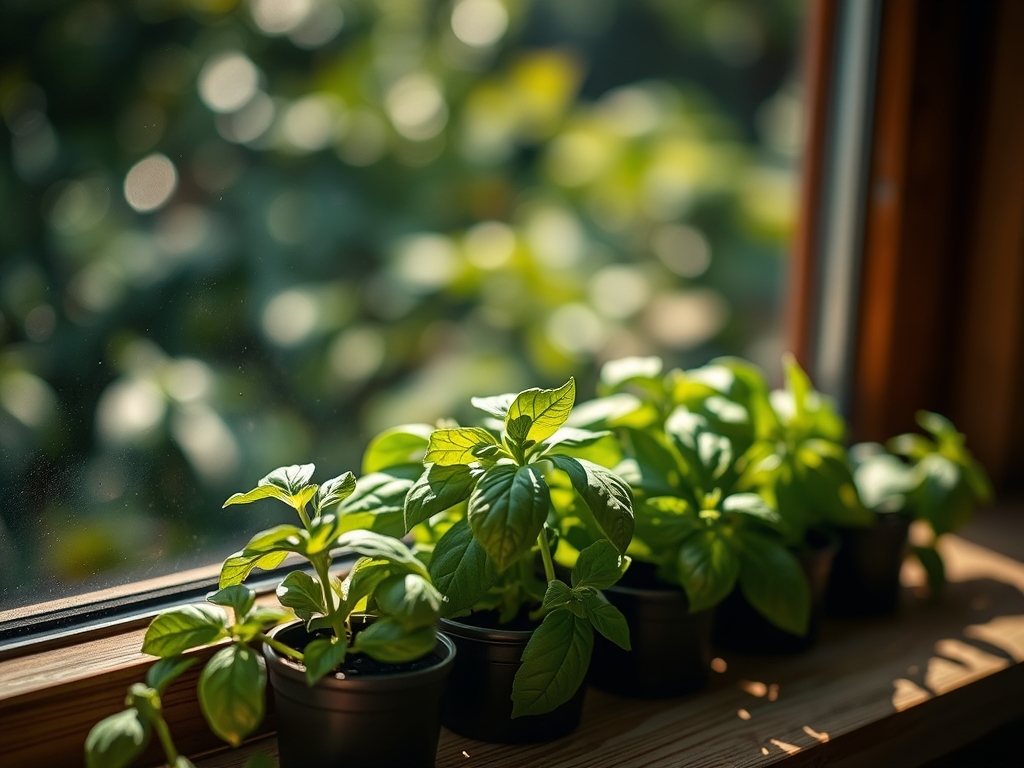
8 Quick Steps to Grow Basil on a Windowsill
Crushing a fresh leaf of Ocimum basilicum releases a volatile oil profile dominated by linalool and methyl chavicol. This olfactory punch is the result of high turgor pressure within the plant's glandular trichomes. When you follow the correct steps to grow basil on a windowsill, you are managing a micro-environment to optimize this chemical synthesis. Success depends on the precise calibration of light, substrate chemistry, and hydraulic tension. A healthy basil plant should feel firm; its leaves should resist a gentle pinch with a crisp snap. This rigidity indicates that the cellular vacuoles are fully hydrated and the xylem is functioning at peak efficiency. Growing indoors requires more than just a pot and water. It requires an understanding of the physiological needs of a Mediterranean annual. By controlling the rhizosphere and maximizing photon intake, you can produce a harvest that exceeds the quality of field-grown crops. The following protocol provides the technical framework necessary to transition from a casual observer to a precise indoor cultivator.
Materials:
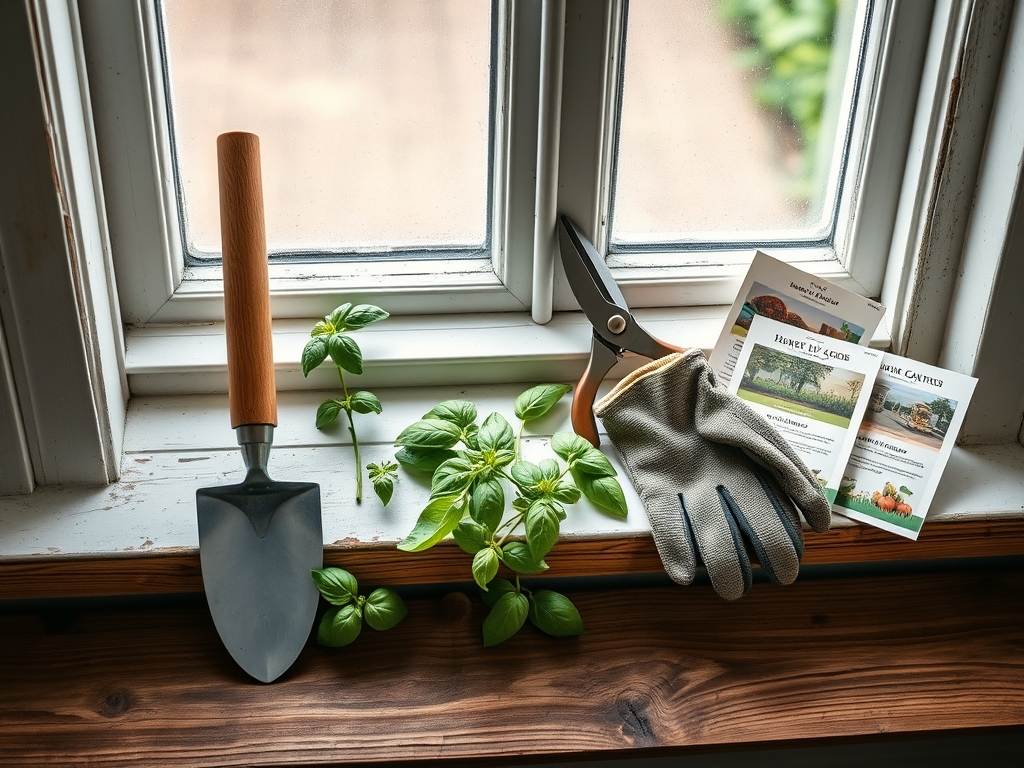
The foundation of any windowsill system is the substrate. Basil requires a **pH range of 6.0 to 7.5**. A friable loam is ideal; it must be porous enough to allow for gas exchange while retaining sufficient moisture. For a windowsill setup, use a high-quality potting mix with a **Cation Exchange Capacity (CEC)** high enough to hold nutrients without burning the roots.
The nutrient profile must be specific. During the initial vegetative stage, use a fertilizer with an NPK ratio of 3-1-2. This provides the nitrogen necessary for leaf development without over-stimulating leggy growth. Ensure your containers have drainage holes to prevent anaerobic conditions in the root zone. A soil moisture meter is a critical tool here; it removes the guesswork from irrigation. Your pot should be at least 6 inches deep to allow for the taproot and lateral branching of the root system.
Timing:
While basil is typically grown in USDA Hardiness Zones 2 through 11 as an annual, windowsill gardening allows you to bypass traditional frost dates. However, the biological clock of the plant remains tied to the photoperiod. Basil is a long-day plant. It requires at least 6 to 8 hours of direct sunlight to maintain its vegetative state.
If the light duration drops below 12 hours, the plant may trigger its reproductive stage, leading to early flowering and a decline in leaf quality. This transition is known as senescence. To prevent this, you must monitor the solar window. In the Northern Hemisphere, a south-facing window is mandatory. If the natural light is insufficient, supplemental LED lighting must be used to extend the "day" and keep the plant in its high-yield vegetative phase.
Phases:
Sowing
Place seeds 1/8 inch deep in pre-moistened substrate. Maintain a consistent soil temperature of 70 to 75 degrees Fahrenheit. Germination typically occurs within 5 to 10 days.
Pro-Tip: Basil seeds are photoblastic; they require light to break dormancy. Do not bury them too deeply or the hypocotyl will fail to reach the surface before energy reserves are exhausted.
Transplanting
Once the seedlings have developed two sets of true leaves, they are ready for their permanent containers. Handle the seedlings by the leaves, not the stems, to avoid crushing the vascular tissue.
Pro-Tip: Inoculate the soil with mycorrhizal fungi during transplanting. This symbiosis expands the root surface area, allowing the plant to access phosphorus and micronutrients more effectively through the fungal hyphae.
Establishing
As the plant reaches 6 inches in height, it is time to manage its architecture. Pinch off the terminal bud above a leaf node. This disrupts apical dominance by suppressing auxin flow down the stem.
Pro-Tip: Suppressing the lead shoot forces the plant to redirect energy to lateral buds. This results in a bushier habit and prevents the plant from becoming "leggy" as it seeks light through phototropism.
The Clinic:
Physiological disorders often mimic disease. Accurate diagnosis is the first step in remediation.
- Symptom: Interveinal chlorosis (yellowing between green veins) on older leaves.
Solution: This indicates a Magnesium deficiency. Apply a solution of 1 teaspoon of Epsom salts per gallon of water to restore chlorophyll production. - Symptom: Leaf curling and stunted growth.
Solution: Check for high salts in the substrate. Flush the pot with distilled water until the Electrical Conductivity (EC) of the runoff drops. - Symptom: Tip burn on new growth.
Solution: This is often a Calcium transport issue caused by inconsistent watering. Ensure the soil remains evenly moist to facilitate the movement of calcium through the transpiration stream. - Symptom: General yellowing of the entire plant.
Solution: Nitrogen chlorosis. Apply a water-soluble fertilizer with a high Nitrogen (N) value to boost vegetative vigor.
Maintenance:
Precision is the difference between a surviving plant and a thriving one. Basil requires approximately 1.5 inches of water per week, delivered directly to the soil surface to avoid wetting the foliage. Use a soil moisture meter to ensure the substrate is dry to a depth of 1 inch before re-watering.
For pruning, use bypass pruners rather than anvil pruners; bypass blades provide a clean cut that heals faster and reduces the risk of pathogens entering the stem. If you are repotting or checking root health, a hori-hori knife is the preferred tool for cleanly slicing through any pot-bound roots. Monitor the temperature closely; basil will suffer physiological damage if exposed to temperatures below 50 degrees Fahrenheit.
The Yield:
Harvesting should begin once the plant is at least 8 inches tall. Always harvest from the top down, cutting just above a leaf node to encourage new branching. For maximum flavor density, harvest in the early morning when the concentration of essential oils is at its peak.
Once cut, treat the basil like a bouquet. Place the stems in a glass of water at room temperature. Do not refrigerate fresh basil; the cold causes the cell walls to collapse and the leaves to turn black due to chilling injury. For long-term storage, blanch the leaves for 15 seconds and freeze them in oil to preserve the volatile aromatic compounds.
FAQ:
How much light does windowsill basil actually need?
Basil requires a minimum of six hours of direct solar radiation. If your window provides less, supplement with a full-spectrum LED grow light positioned 6 to 12 inches above the canopy to maintain a 14-hour photoperiod.
Why are my basil leaves drooping despite wet soil?
This is likely root rot caused by anaerobic conditions. Overwatering displaces oxygen in the rhizosphere, leading to root death. Use a well-draining substrate and ensure the container has functional drainage holes to prevent saturation.
Can I grow basil from supermarket cuttings?
Yes. Strip the lower leaves and place the stem in deionized water. Once roots reach two inches, transplant into a friable loam with a pH of 6.5. Ensure the cutting has at least one node submerged.
What is the best fertilizer for indoor basil?
Use a liquid, water-soluble fertilizer with a 3-1-2 NPK ratio. Apply at half-strength every two weeks during the active growing season. Avoid high-phosphorus "bloom" boosters, as these can trigger premature flowering and reduce leaf flavor quality.