6 Simple Ways How to Grow Kitchen Window Herbs
Crushing a fresh leaf of Ocimum basilicum between your thumb and forefinger releases a volatile oil profile that defines the indoor culinary space. Success in learning how to grow kitchen window herbs depends entirely on managing the microclimate of a windowsill to maintain cellular turgor pressure. You are not just placing a pot on a ledge; you are managing a pressurized biological system. Proper cultivation requires precise control over light intensity and substrate chemistry to prevent early senescence.
Materials:
The foundation of indoor herb production is the substrate. Avoid standard garden soil which compacts in containers and lacks the necessary Cation Exchange Capacity (CEC). You require a friable loam consisting of 40 percent peat or coconut coir, 40 percent perlite for aeration, and 20 percent vermiculite for nutrient retention.
Specific nutrient requirements vary by genus, but a baseline NPK ratio of 5-10-5 is ideal for root establishment. For leafy production, transition to a 10-10-10 balanced fertilizer once the second set of true leaves appears. Maintain a soil pH between 6.0 and 7.0 to ensure maximum bioavailability of micronutrients. High-quality terracotta or glazed ceramic pots must have drainage holes to prevent anaerobic conditions in the rhizosphere.
Timing:
Indoor herb cultivation bypasses traditional Hardiness Zone restrictions, yet the "Biological Clock" remains tethered to the photoperiod. In North America, most kitchen herbs require 12 to 14 hours of light to remain in the vegetative stage. If light levels drop below 10 hours, the plant may trigger a reproductive response, leading to bolting and a bitter flavor profile.
Start seeds approximately six weeks before the last frost date if you intend to move them outdoors later. For permanent indoor residents, the timing is less about the season and more about the ambient temperature. Most Mediterranean herbs like rosemary and thyme thrive when daytime temperatures hover between 65 and 75 degrees Fahrenheit, with a slight drop at night to mimic natural diurnal cycles.
Phases:
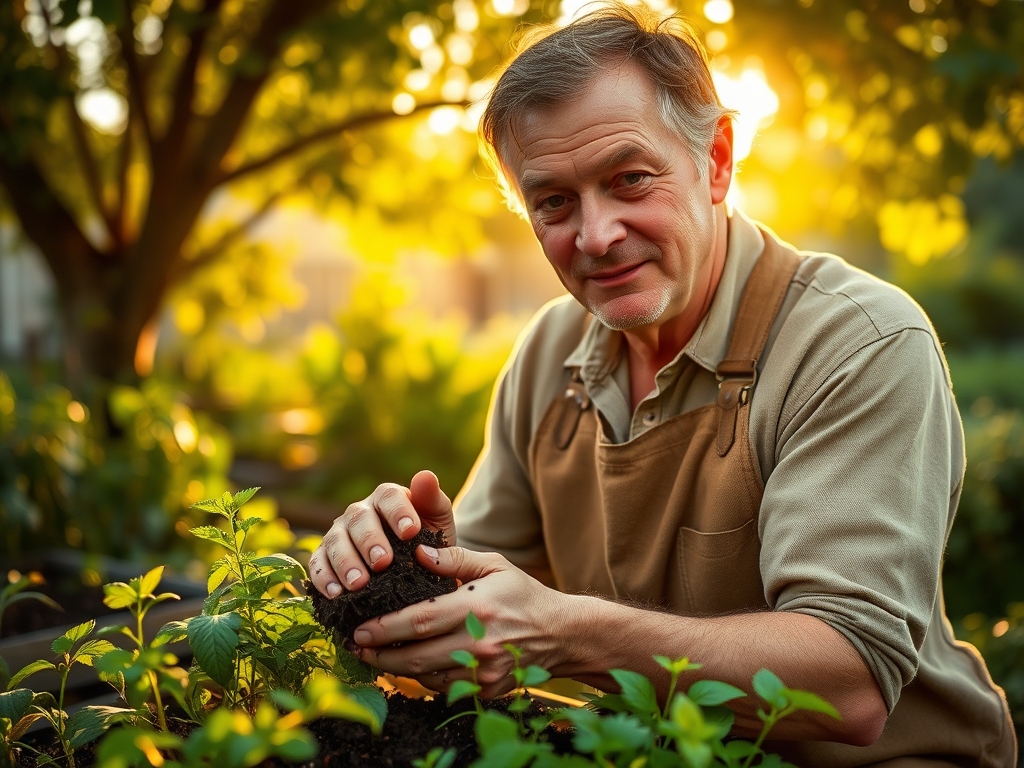
Sowing
Sow seeds at a depth of twice the seed diameter. Small seeds like oregano should be surface-sown as they require light for germination. Maintain a constant soil temperature of 70 degrees Fahrenheit using a heat mat if necessary.
Pro-Tip: Use a humidity dome to maintain high relative humidity during germination. This prevents the seed coat from hardening, which can trap the cotyledons and cause "helmet head," a condition where the seedling fails to shed its shell.
Transplanting
Move seedlings to their permanent containers once they have developed two sets of true leaves. Handle the plants by the leaves rather than the stems to avoid crushing the vascular tissue. Ensure the root ball is fully submerged in the new substrate without burying the crown.
Pro-Tip: Inoculate the soil with mycorrhizal fungi during transplanting. This symbiotic relationship extends the root system's reach, increasing the surface area for water and phosphorus absorption by up to 100 percent.
Establishing
During the first three weeks, focus on structural integrity. If the plant becomes "leggy," it is a sign of phototropism, where the plant stretches toward a light source. Rotate the pots 90 degrees every two days to ensure even growth and prevent stem weakening.
Pro-Tip: Pinch off the apical meristem (the top growing tip) once the plant reaches six inches in height. This triggers auxin suppression, forcing the plant to redirect energy to lateral buds, resulting in a bushier, more productive herb.
The Clinic:
Physiological disorders often masquerade as infectious diseases. Accurate diagnosis is critical for survival.
Symptom: Yellowing of lower leaves while veins remain green.
Solution: This is Magnesium deficiency. Apply a solution of one tablespoon of Epsom salts per gallon of water to restore chlorophyll production.
Symptom: General chlorosis (yellowing) of the entire plant and stunted growth.
Solution: Nitrogen deficiency. Apply a high-nitrogen liquid fertilizer (NPK 20-10-10) at half strength to rapidly boost vegetative mass.
Symptom: White, powdery coating on leaves.
Solution: Powdery Mildew. This is caused by high humidity and poor airflow. Increase spacing between pots and use a small fan to improve circulation around the foliage.
Symptom: Tip burn on new growth.
Solution: Calcium deficiency or localized dehydration. Ensure consistent moisture levels and check that the soil pH is not too acidic, which locks out calcium ions.
Maintenance:
Precision watering is the difference between a thriving herb and root rot. Most kitchen herbs require approximately 1.0 to 1.5 inches of water per week. Use a soil moisture meter to ensure the substrate is dry to a depth of one inch before re-watering.
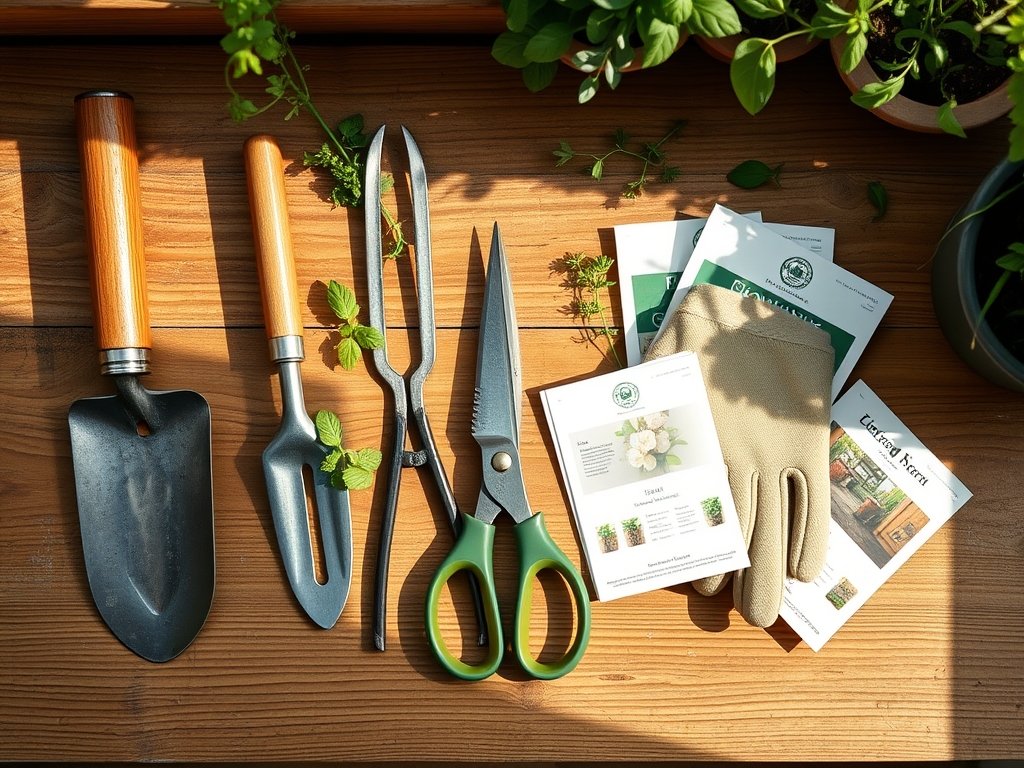
Use bypass pruners for clean cuts; dull blades crush the stem and create entry points for pathogens. For woody herbs like rosemary, use a hori-hori knife to occasionally loosen the top layer of soil, preventing surface crusting that inhibits gas exchange. Monitor the electrical conductivity (EC) of your runoff water if you use synthetic fertilizers to prevent salt buildup, which can desiccate delicate root hairs.
The Yield:
Harvesting should occur in the morning when the essential oil concentration is at its peak. Never remove more than one-third of the plant's total biomass at a single time to avoid systemic shock. Use sharp shears to cut just above a leaf node to encourage immediate regrowth.
To maintain "day-one" freshness, treat harvested herbs like cut flowers. Place the stems in a glass of water at room temperature or wrap them in a damp paper towel and refrigerate at 34 to 40 degrees Fahrenheit. For basil, avoid the refrigerator as cold temperatures cause the leaves to turn black through oxidative browning.
FAQ:
How much light do window herbs actually need?
Most herbs require six to eight hours of direct sunlight. If your window faces north or is shaded, you must supplement with a full-spectrum LED grow light positioned 6 to 12 inches above the canopy to maintain growth.
Why are my herb leaves turning yellow and dropping?
This is often a sign of overwatering or poor drainage, leading to root hypoxia. Ensure your container has adequate drainage and the substrate is not waterlogged. Check for Nitrogen deficiency if the soil moisture is correct.
Can I grow herbs in plain potting soil?
Standard potting soil often lacks the porosity and air-filled pore space required for herb roots. Mix in perlite or coarse sand to improve drainage and prevent the medium from becoming a compacted mass that suffocates the rhizosphere.
When is the best time to fertilize indoor herbs?
Fertilize every two to four weeks during the active growing season (spring through autumn). Reduce frequency in winter when the plant's metabolic rate slows due to decreased light levels. Always apply fertilizer to moist soil to prevent root burn.
How do I stop my herbs from flowering?
Regularly pinch back the terminal buds. Once a plant shifts to its reproductive phase (flowering), the energy is diverted from leaf production to seed development, which significantly alters the chemical composition and flavor of the foliage.