10 Pro Tips for Best Small Space Planting Tips
Turgor pressure within a cell wall dictates the structural integrity of a confined garden. When you crush a handful of high quality potting media, the smell of geosmin should be immediate; a sign of active microbial life. In limited square footage, every cubic centimeter of the rhizosphere must perform at peak efficiency. Implementing the best small space planting tips requires more than aesthetic arrangement. It demands a rigorous understanding of nutrient density and light interception. You are not just growing plants; you are managing a high intensity biological system where the margin for error is thin. A single day of neglected irrigation in a small container can lead to permanent wilting point, a state where the plant cannot recover its internal pressure. Success in these environments depends on the precise calibration of soil chemistry and the strategic selection of cultivars that exhibit compact internodal spacing. By maximizing verticality and optimizing the cation exchange capacity of your substrate, you can achieve yields that rival traditional ground plots.
Materials:
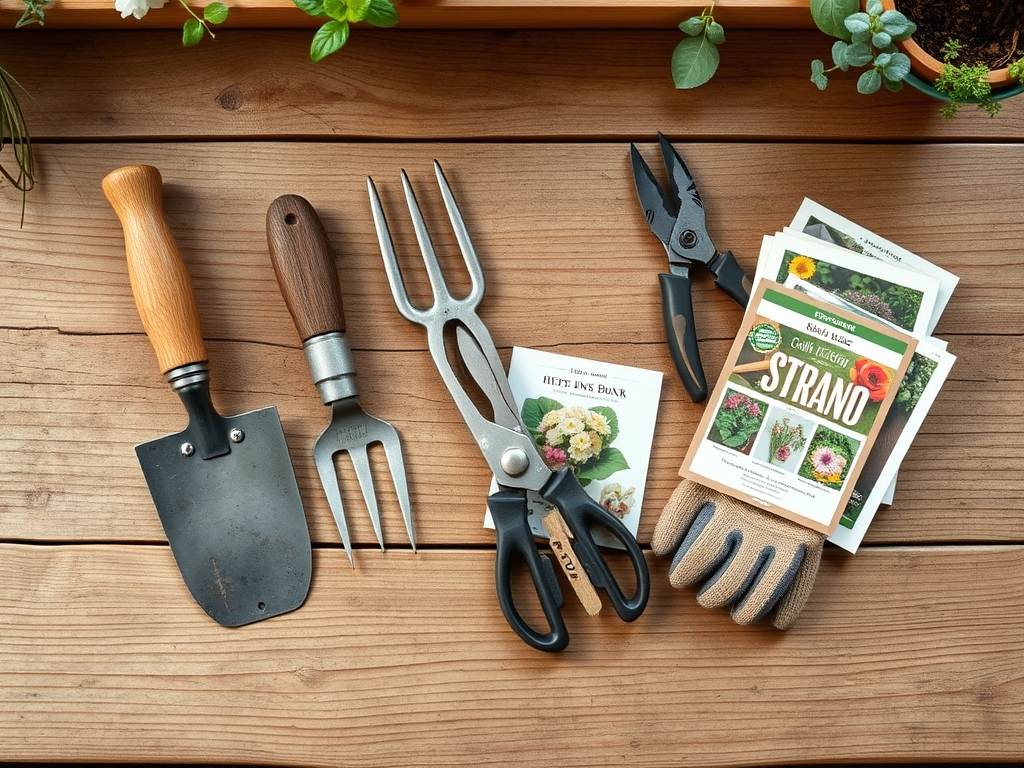
The foundation of a small space garden is a **friable loam** with high porosity. For containers and raised beds, avoid standard topsoil which compacts and restricts oxygen to the roots. Use a substrate with a **pH range of 6.2 to 6.8** to ensure maximum nutrient availability. The chemical profile should be tailored to the growth stage. For vegetative development, a **10-5-5 NPK ratio** provides the nitrogen necessary for chlorophyll production. As plants transition to flowering or fruiting, shift to a **5-10-10 NPK ratio** to support phosphorus and potassium demands.
The physical texture must allow for rapid drainage while maintaining sufficient water holding capacity. A blend of 60 percent composted organic matter, 20 percent perlite, and 20 percent coconut coir creates the ideal environment. This mixture ensures a high Cation Exchange Capacity (CEC), allowing the medium to hold onto essential ions like calcium, magnesium, and potassium against the leaching forces of frequent watering.
Timing:
Successful small space gardening is governed by the frost date windows of your specific Hardiness Zone. In Zones 5 through 7, the growing season is compressed; this requires starting seeds indoors 6 to 8 weeks before the last predicted frost. Monitor soil temperatures with a probe; most temperate crops require a minimum of 60 degrees Fahrenheit for active root elongation.
The biological clock of the plant is triggered by the photoperiod, or the duration of light exposure. Short day plants require a shift in light cycles to move from the vegetative stage to the reproductive stage. In confined spaces, managing this transition is critical to prevent "bolting," where the plant prematurely produces seeds due to heat stress or light fluctuations. Precise timing ensures that the plant allocates energy to edible biomass or floral displays rather than fibrous stem elongation.
Phases:

Sowing
Direct sow seeds at a depth three times their diameter. For small spaces, use high density planting patterns like the hexagonal offset to maximize leaf area index.
Pro-Tip: Utilize Hydropriming by soaking seeds in room temperature water for 12 hours prior to sowing. This initiates the metabolic process of germination and overcomes seed coat dormancy by increasing cellular hydration.
Transplanting
When moving seedlings to their final containers, ensure the root ball is moist to prevent transplant shock. Handle the plant only by the cotyledons or the root mass to avoid damaging the delicate vascular tissue of the stem.
Pro-Tip: Apply Mycorrhizal Inoculants directly to the root zone during transplanting. This establishes a mycorrhizal symbiosis, a fungal network that extends the reach of the root system, significantly increasing the uptake of phosphorus and water in restricted soil volumes.
Establishing
The first 14 days after planting are critical for structural development. Focus on root establishment rather than top growth.
Pro-Tip: Practice Auxin Suppression by pinching off the terminal buds of young plants. This disrupts apical dominance and redirects growth hormones to lateral buds, resulting in a bushier, more compact plant architecture suited for small spaces.
The Clinic:
Physiological disorders in small spaces often stem from fluctuations in the microclimate.
Symptom: Interveinal chlorosis on young leaves (yellowing between green veins).
Solution: This indicates an Iron deficiency, often caused by a pH above 7.0. Lower the pH using elemental sulfur or chelated iron foliar sprays.
Symptom: Blossom end rot on fruit.
Solution: This is a Calcium translocation issue. It is rarely a lack of calcium in the soil but rather inconsistent moisture levels that prevent the plant from moving calcium to the fruit.
Symptom: Leaf curling and stunted growth.
Solution: Check for high salinity. In small containers, fertilizer salts accumulate. Flush the growing medium with distilled water until the drainage run off is clear.
Fix-It for Nitrogen Chlorosis: If older leaves turn uniformly pale green or yellow, apply a liquid fish emulsion with a 5-1-1 NPK ratio for immediate nitrogen uptake through the roots.
Maintenance:
Precision is the hallmark of professional maintenance. Deliver 1.5 inches of water per week directly at the drip line. Use a soil moisture meter to verify that the root zone is hydrated to a depth of 6 inches. Avoid overhead watering, which increases leaf wetness duration and promotes fungal pathogens.
Equip yourself with a hori-hori knife for precision weeding and planting in tight quarters. Use bypass pruners for clean cuts; anvil pruners can crush vascular tissue and invite necrosis. Sterilize your tools with a 10 percent bleach solution between plants to prevent the mechanical transmission of pathogens. Monitor the Electrical Conductivity (EC) of your drainage water to ensure nutrient salts remain within the 1.5 to 2.5 mS/cm range.
The Yield:
Harvesting at the peak of physiological maturity ensures the highest nutrient density and flavor profile. For leafy greens, harvest in the early morning when turgor pressure is highest; this prevents wilting and extends shelf life. Use a sharp blade to cut 1 inch above the crown to allow for "cut and come again" regrowth.
Post harvest handling is vital for maintaining freshness. Immediately submerge harvested greens in 40 degree Fahrenheit water to remove field heat. This slows the rate of senescence, the biological aging process of the plant tissue. For fruiting crops, leave a small portion of the pedicel (stem) attached to prevent moisture loss through the attachment point. Store in a high humidity environment to maintain cellular structure.
FAQ:
How do I prevent soil compaction in small containers?
Incorporate inorganic amendments like perlite or pumice at a 20 percent ratio. This maintains macropores in the substrate, ensuring oxygen reaches the rhizosphere even after repeated irrigation cycles. Avoid stepping on or compressing the soil surface.
What is the best way to fertilize limited space gardens?
Use fertigation, the process of applying water soluble nutrients during irrigation. Apply a half strength solution every two weeks to maintain steady nutrient availability without risking salt buildup or osmotic stress to the root hairs.
Can I reuse potting soil for the next season?
Reuse is possible if the soil is pasteurized to kill pathogens. However, you must replenish the cation exchange sites by mixing in 30 percent fresh compost and adjusting the NPK balance based on a laboratory soil test.
How much sunlight do small space plants actually need?
Most fruiting crops require a minimum of 6 to 8 hours of direct solar radiation. For shaded areas, select "leaf and root" crops which can maintain metabolic functions with as little as 4 hours of light.