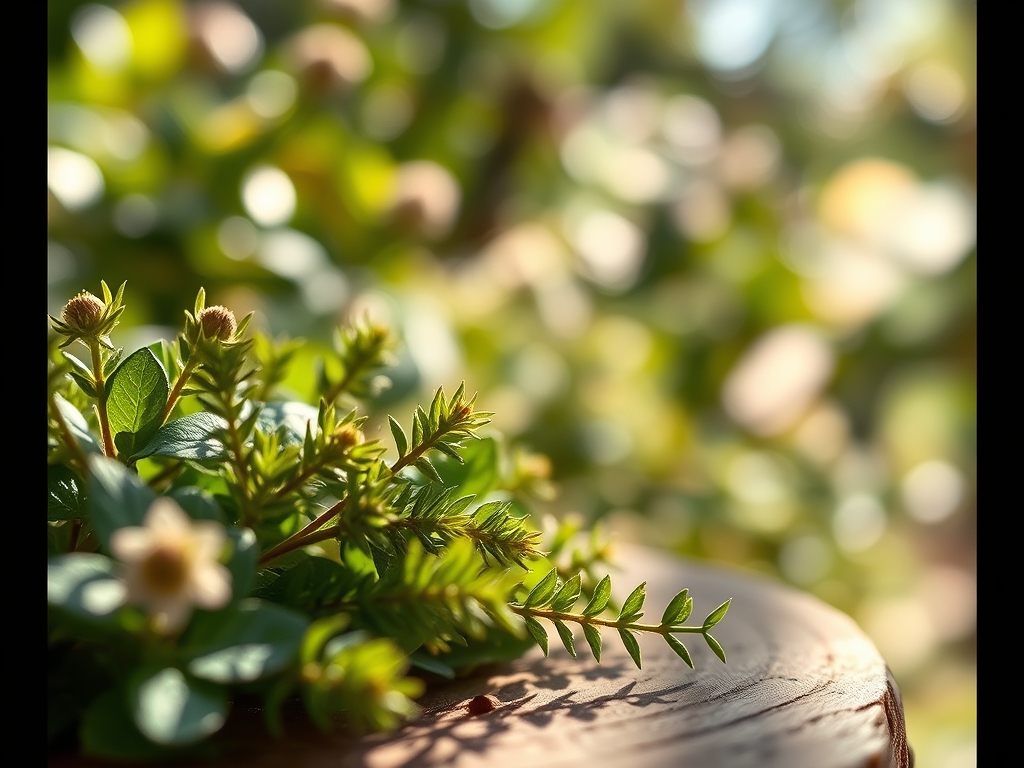
9 Authentic Ways How to Design a Mediterranean Garden
The scent of crushed rosemary oil and the gritty texture of decomposed granite define the sensory profile of a dry-climate landscape. Understanding how to design a Mediterranean garden requires more than aesthetic placement; it demands a mastery of drainage mechanics and plant physiology. Success hinges on managing turgor pressure in species evolved for high-evapotranspiration environments. You must balance the structural integrity of silver-leaved shrubs against a lean, mineral-heavy substrate to ensure long-term botanical health.
Materials:
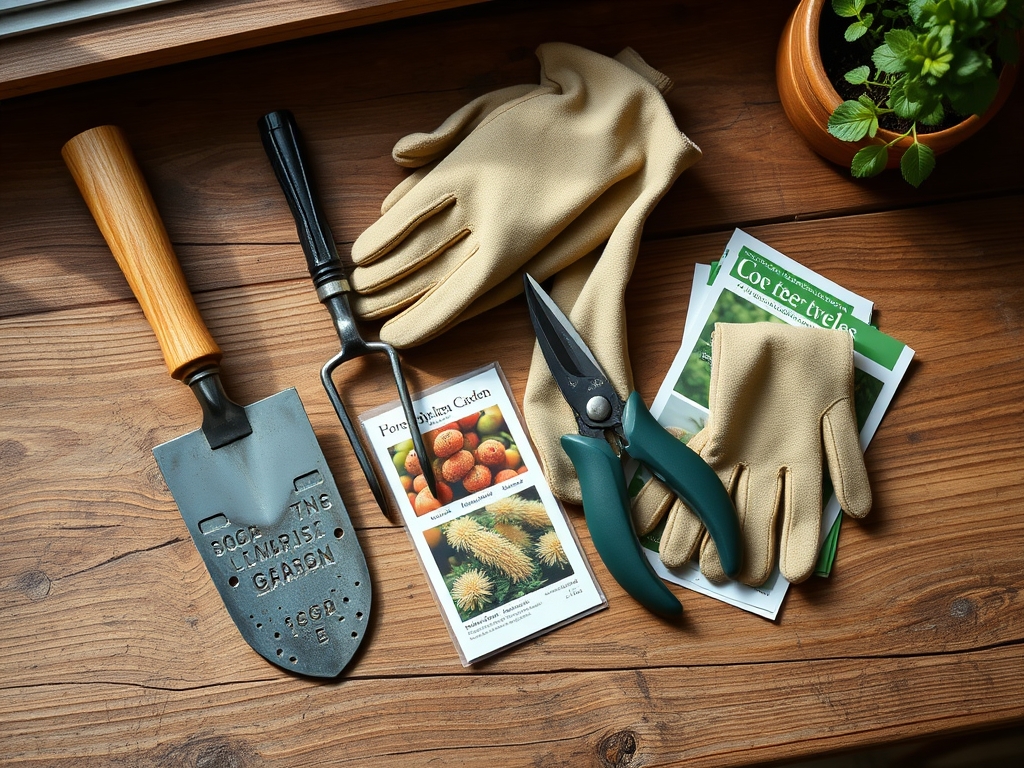
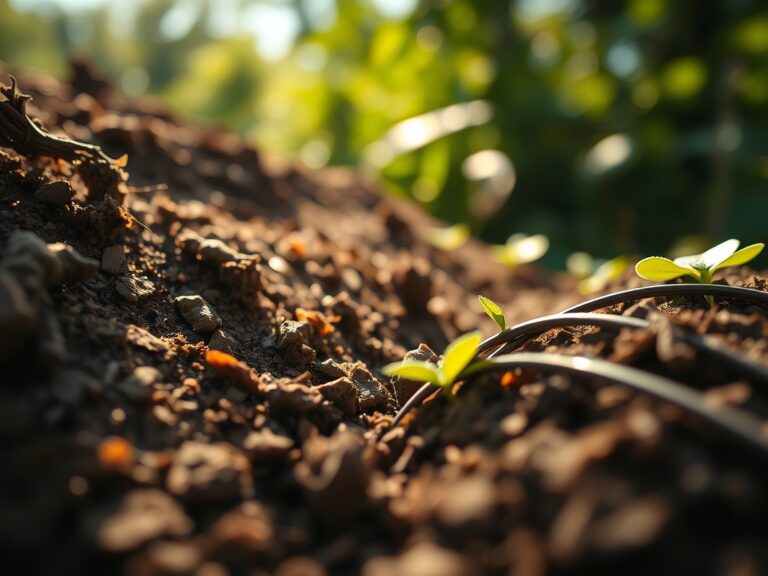
The foundation of this system is a **friable loam** with a high percentage of inorganic matter. Aim for a soil **pH between 6.5 and 8.0**, as Mediterranean species typically thrive in slightly alkaline conditions. The Cation Exchange Capacity (CEC) should be low to moderate to prevent salt accumulation.
For initial establishment, utilize a low-nitrogen fertilizer with an NPK ratio of 4-8-10. High nitrogen levels encourage soft, succulent growth that is susceptible to frost damage and moisture loss. Incorporate 3/8-inch crushed gravel or expanded shale into the top 6 inches of the soil profile to increase macroporosity. This ensures oxygen reaches the rhizosphere even during infrequent, heavy rain events. Avoid heavy organic mulches like wood chips; instead, use a 2-inch layer of mineral mulch to reflect heat and keep the root crown dry.
Timing:
This design style is most successful in USDA Hardiness Zones 8 through 11. The critical window for installation is autumn or early spring, specifically when soil temperatures remain consistently above 55 degrees Fahrenheit. Planting during the autumnal equinox allows for root development during the winter rainy season without the stress of high summer transpiration rates.
The biological clock of these plants is dictated by the photoperiod and temperature fluctuations. Most Mediterranean perennials enter a semi-dormant state during the peak heat of July and August to conserve metabolic energy. Transition from the vegetative stage to the reproductive stage usually occurs as day length increases in late spring. Monitor the vernalization requirements for specific species like Lavender or Sage, which may require a period of cold temperatures to trigger prolific flowering.
Phases:

Sowing and Site Preparation
Clear the site of all competitive cool-season grasses. Grade the area to a 2 percent slope to ensure surface runoff away from plant crowns. If working with heavy clay, install raised beds or "berms" to artificially increase the depth of the aerobic zone.
Pro-Tip: Incorporate mycorrhizal inoculants into the planting hole. This symbiotic fungus extends the root system's reach, increasing the surface area for water absorption and phosphorus uptake, which is vital in nutrient-poor soils.
Transplanting
When moving plants from nursery containers, inspect for "circling roots." Use a hori-hori knife to make vertical incisions in the root ball, encouraging outward radial growth. Set the plant slightly high, with the top of the root ball 0.5 inches above the surrounding soil grade to prevent crown rot.
Pro-Tip: Practice auxin suppression by lightly pinching back the terminal buds of young shrubs. This redirects growth hormones to lateral buds, creating a denser, more drought-resilient structure that resists wind desiccation.
Establishing
During the first 90 days, the primary goal is to maintain hydraulic continuity between the root ball and the native soil. Water deeply once every 7 to 10 days, allowing the top 3 inches of soil to dry completely between applications.
Pro-Tip: Use the principle of phototropism when placing structural elements. Position taller evergreens like Italian Cypress on the northern side of the plot to provide a windbreak without shading smaller, sun-loving aromatics that require at least 8 hours of direct solar radiation.
The Clinic:
Physiological disorders in Mediterranean gardens are often the result of "kindness" in the form of overwatering or over-fertilization.
- Symptom: Yellowing of new leaves while veins remain green (Interveinal Chlorosis).
- Solution: This indicates an iron deficiency, often caused by high pH locking up micronutrients. Apply chelated iron and check for compacted soil.
- Symptom: Soft, blackened tissue at the base of the stem.
- Solution: Crown rot (Phytophthora). Reduce irrigation frequency immediately and remove the mineral mulch from direct contact with the stem.
- Symptom: Leaf senescence and dropping during mid-summer.
- Solution: This is often a survival mechanism against drought. If the stems remain flexible, do not increase water; the plant is simply reducing its leaf surface area to prevent total desiccation.
Fix-It: For Nitrogen chlorosis (general paling of older leaves), apply a diluted liquid seaweed extract. It provides a quick boost of nitrogen without triggering the rapid, weak growth caused by synthetic salts.
Maintenance:
Precision is the hallmark of a professional horticulturist. Use a soil moisture meter to verify that the root zone at a 6-inch depth is dry before re-irrigating. Most established Mediterranean plants require only 1 inch of water every 14 to 21 days during the dry season.
Pruning should be performed with sharp bypass pruners to ensure clean vascular cuts that heal quickly. Remove "the three Ds": dead, damaged, or diseased wood. For woody herbs like Thyme or Oregano, prune back by one-third after the first flowering flush to prevent the center of the plant from becoming woody and unproductive. Always sanitize tools with 70 percent isopropyl alcohol between plants to prevent the spread of soil-borne pathogens.
The Yield:
When harvesting Mediterranean herbs for culinary or essential oil use, timing is paramount. Harvest in the early morning, just after the dew has evaporated but before the sun reaches its zenith. This is when the concentration of volatile oils is at its peak.
Use sharp snips to take cuttings from the top 3 to 5 inches of new growth. For flowers like Lavender, harvest when the bottom third of the florets on the spike have opened. To maintain "day-one" freshness and potency, keep the harvested material out of direct sunlight and process it immediately by either air-drying in a dark, ventilated room or extracting the oils through steam distillation.
FAQ:
How much water does a Mediterranean garden need?
Established plants require approximately 1 inch of water every 2 to 3 weeks. Always apply water at the drip line using a soaker hose to keep foliage dry and prevent fungal pathogens from colonizing the leaf surface.
What is the best soil for Mediterranean plants?
Use a sandy or gravelly loam with a pH of 6.5 to 8.0. The substrate must be well-draining with high macroporosity. Avoid heavy clays or soils with high organic matter, which retain excessive moisture and cause root rot.
Can I grow a Mediterranean garden in a cold climate?
Yes, provided you select hardy cultivars and ensure perfect drainage. In zones below 7, use raised beds and rock mulches to increase soil temperature. Focus on hardy species like Lavandula angustifolia or Sempervivum species.
When should I prune Mediterranean shrubs?
Prune in late winter or early spring before the first flush of growth. A second light pruning can be done after the first flowering cycle in early summer to maintain shape and encourage a secondary bloom. Avoid late autumn pruning.