8 Simple Steps to Use Magnetic Plant Pots
Magnetic plant pots transform any metal surface into a vertical garden space, using rare-earth neodymium magnets embedded in lightweight containers to hold soil and roots securely against refrigerators, toolsheds, or galvanized garden walls. Learning the steps to use magnetic plant pots properly ensures stable mounting, adequate drainage, and thriving root systems despite the unconventional growing angle and limited soil volume.
These pots excel in small-space horticulture. Their magnetic coupling strength typically ranges from 8 to 15 pounds of pull force, depending on wall thickness and paint layers. The key advantage lies in relocating plants to optimize light exposure without drilling or permanent fixtures.
Materials
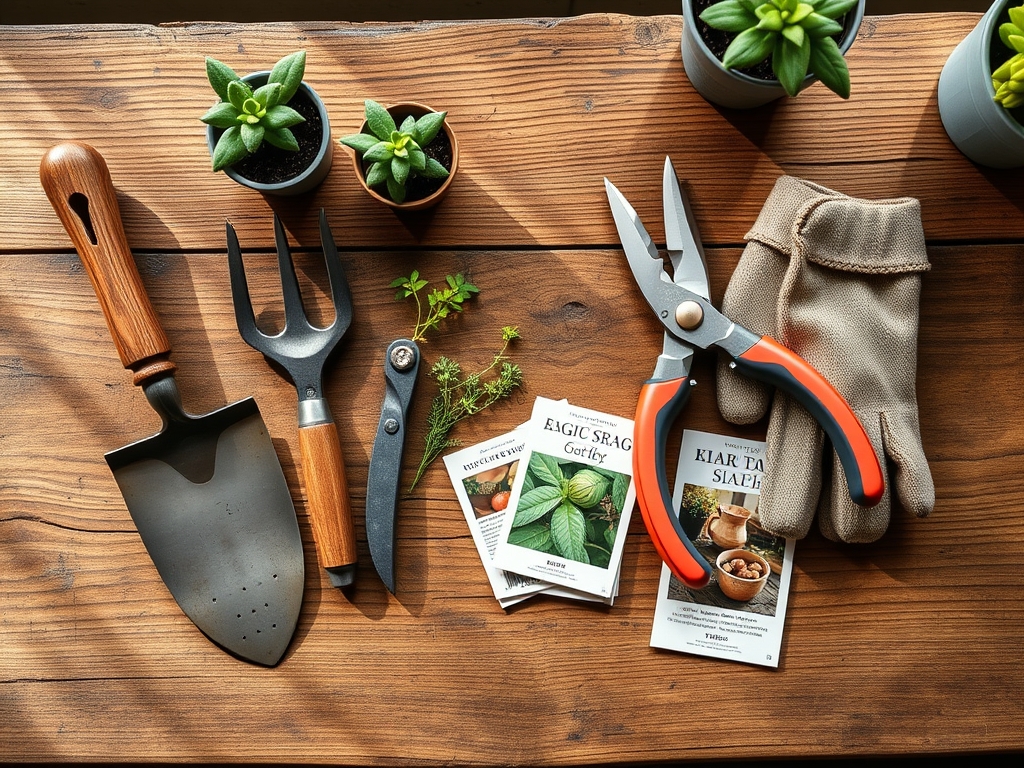
Select magnetic pots constructed from food-grade silicone or BPA-free plastic with drainage perforations. Verify magnet count: three or more N42-grade neodymium magnets per 4-inch pot diameter. Weak magnets cause soil-heavy pots to slide or detach.
For growing media, use a 2:1:1 ratio of peat substitute (coir), perlite, and worm castings. This blend maintains a pH of 6.0 to 6.8 and provides balanced 4-4-4 NPK from the castings' slow-release organic matter. Avoid dense garden soil. Its weight exceeds magnetic shear strength when saturated.
Apply mycorrhizal fungi inoculant at 0.25 teaspoons per pot. These symbiotic organisms extend the root's effective surface area by 700%, critical in confined spaces. Include a liquid kelp fertilizer (0-0-1 NPK with trace cytokinins) to encourage lateral root branching within the limited rhizosphere.
Gather a moisture meter with 6-inch probe depth. Visual cues fail in vertical configurations where top-soil dries faster than root zones.
Timing
Install magnetic pots after the last spring frost date for your hardiness zone. In Zone 7, this window opens mid-April. Zone 5 gardeners wait until early May. Cold metal surfaces conduct freezing temperatures directly into root balls, causing cellular rupture in tender annuals.
For perennial herbs like thyme or oregano, mount pots in late summer (August in Zones 5-7). This timing allows 8 to 10 weeks of root establishment before dormancy. The plants overwinter successfully if metal surfaces remain above 20°F.
Indoor magnetic gardens operate year-round. Position pots on appliances away from heating vents, which create moisture gradients and uneven auxin distribution. South-facing refrigerator sides receive 4 to 6 hours of indirect light in winter, suitable for leafy greens and shallow-rooted herbs.
Phases

Sowing Phase
Fill magnetic pots to 0.5 inches below the rim with prepared media. Press two to three seeds per pot at depths equaling twice the seed diameter. Lettuce seeds require only 0.125-inch coverage; basil needs 0.25 inches.
Mist the surface with a spray bottle delivering 2 fluid ounces. Attach pots to the metal surface at a slight upward tilt (5 to 10 degrees from vertical). This angle prevents water from pooling against the back wall, which encourages anaerobic conditions and root rot.
Pro-Tip: Apply a biostimulant containing humic acid at 50 ppm during initial watering. Humic compounds chelate micronutrients, improving cation exchange capacity in the small soil volume.
Transplanting Phase
Thin seedlings to one plant per pot when true leaves emerge. Use scissors to snip unwanted seedlings at soil level rather than pulling, which disturbs neighboring roots.
For transplanting established starts, remove 30% of the root ball's bottom growth. This pruning stimulates feeder root production within 72 hours. Center the crown 0.25 inches below the pot rim. Firm media gently to eliminate air pockets without compacting.
Pro-Tip: Rotate pots 180 degrees every three days during the first two weeks. This practice counteracts phototropism, preventing stems from bending toward light sources and stressing the magnetic attachment points.
Establishing Phase
Monitor soil moisture daily with the probe meter. Maintain readings between 4 (moist) and 6 (wet) on a 10-point scale. Water when the probe reads 3, applying 4 to 6 fluid ounces per 4-inch pot.
Begin foliar feeding after four true leaves develop. Use a 1-1-1 fish emulsion diluted to half strength (1 tablespoon per gallon). Spray undersides of leaves in early morning to maximize stomatal uptake.
Pro-Tip: Install pots in clusters of three to five. Grouped plants create a microclimate with 15% higher humidity, reducing transpiration stress common in vertical growing.
Troubleshooting
Symptom: Yellowing lower leaves with green veins. Solution: Manganese deficiency from high media pH. Drench with chelated manganese at 0.5 teaspoons per gallon. Retest pH; amend with sulfur if above 7.0.
Symptom: Pots sliding downward over 24 hours. Solution: Magnetic coupling failure from paint interference or insufficient magnets. Clean metal surface with isopropyl alcohol. If sliding persists, add adhesive-backed steel shim plates (0.025-inch thickness) under paint layers to restore magnetic flux.
Symptom: White crust on soil surface. Solution: Mineral salt accumulation from hard water or over-fertilization. Leach pots with distilled water at three times the container volume. Reduce fertilizer concentration by 50%.
Symptom: Wilting despite moist soil. Solution: Root aphids feeding on root hairs. Drench with neem oil solution (2 tablespoons per gallon). Beneficial nematodes (Steinernema feltiae) at 5 million per pot provide biological control.
Maintenance
Apply 4 fluid ounces of water per 4-inch pot every 48 to 72 hours, adjusting for temperature and species. Succulents require half this volume; basil needs 20% more. Water until 0.5 fluid ounces drains from perforations.
Prune herbs by removing top 2 inches of growth every 14 days. This cutting schedule maintains compact form and prevents top-heavy weight distribution that stresses magnets.
Reapply mycorrhizal inoculant every 60 days by scratching 0.125 teaspoons into the top 0.5 inches of media. Repot annually, as roots exhaust the limited nutrient reservoir despite fertilization.
FAQ
How much weight can magnetic pots hold?
Quality pots with N42 magnets support 10 to 12 pounds when mounted on 0.06-inch steel. Thicker metals or painted surfaces reduce capacity by 30%.
Do magnetic fields harm plants?
Neodymium magnets produce static fields below 1 tesla at soil depth. Research shows no phytotoxic effects on common herbs or vegetables at these intensities.
Can I use magnetic pots outdoors?
Yes, on metal sheds, mailboxes, or steel fence posts. Ensure pots have UV-resistant construction and drain freely to prevent freeze-thaw cracking.
What grows best in magnetic pots?
Shallow-rooted crops thrive: lettuce, arugula, chives, parsley, and thyme. Avoid tomatoes or peppers; their 12-inch root depth exceeds typical pot capacity.
How do I prevent rust on metal surfaces?
Apply clear polyurethane sealant to bare steel before mounting pots. Moisture from drainage causes oxidation within 30 days on untreated surfaces.