8 Bold Steps to a Maximalist Plant Room
The smell of damp peat moss and the sharp, metallic scent of wet perlite signal the start of a high density indoor ecosystem. To achieve maximum biomass, you must prioritize turgor pressure; the internal fluid force that keeps a leaf rigid and functional. Following specific steps to a maximalist plant room requires moving beyond aesthetics into the realm of physiological optimization. You are not decorating a space; you are engineering a biome where every square centimeter of the vertical and horizontal plane supports active photosynthesis. Success depends on managing the transpiration rates of a hundred individual organisms simultaneously. This guide provides the technical framework to transform a standard interior into a saturated botanical environment.
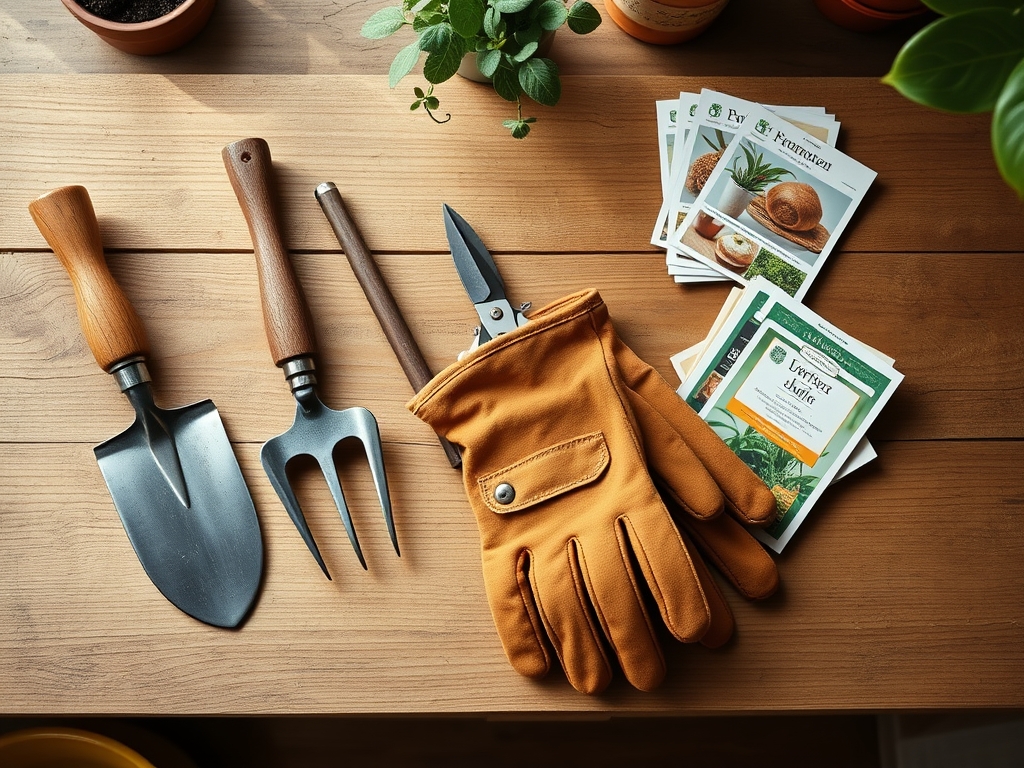
Materials:
The foundation of a maximalist room is the substrate. Standard potting soil is insufficient for high density collections due to compaction risks. You require a **friable loam** texture that maintains 20 percent macroporosity for gas exchange.
For the vegetative stage of most tropical aroids, utilize a medium with a pH range of 5.8 to 6.5. This acidity level ensures that micronutrients like iron and manganese remain bioavailable. Your fertilizer inventory must include a balanced 10-10-10 NPK ratio for general maintenance and a high-nitrogen 20-10-10 formula for rapid foliar expansion during the peak growing season.
To manage the Cation Exchange Capacity (CEC), incorporate calcined clay or zeolites into your mix. These materials act as a chemical battery; they hold positively charged ions like potassium (K+) and calcium (Ca2+) and release them to the root hairs as needed. Ensure you have a supply of coarse orchid bark (size 10-15mm) and horticultural grade charcoal to prevent anaerobic conditions in the lower rhizosphere.
Timing:
While indoor environments are climate controlled, plants still respond to the external photoperiod. In Hardiness Zones 5 through 7, the transition from winter dormancy to active growth typically occurs when daylight exceeds 11 hours. You must synchronize your heavy pruning and repotting with this "Biological Clock."
The transition from the vegetative stage (leaf production) to the reproductive stage (flowering) is triggered by changes in light quality and duration. For a maximalist room, you must manipulate these cycles using supplemental LED lighting with a Color Rendering Index (CRI) above 90. Start your intensive propagation 6 weeks before the last local frost date to capitalize on the natural surge in atmospheric humidity and ambient light intensity that occurs during the spring equinox.
Phases:
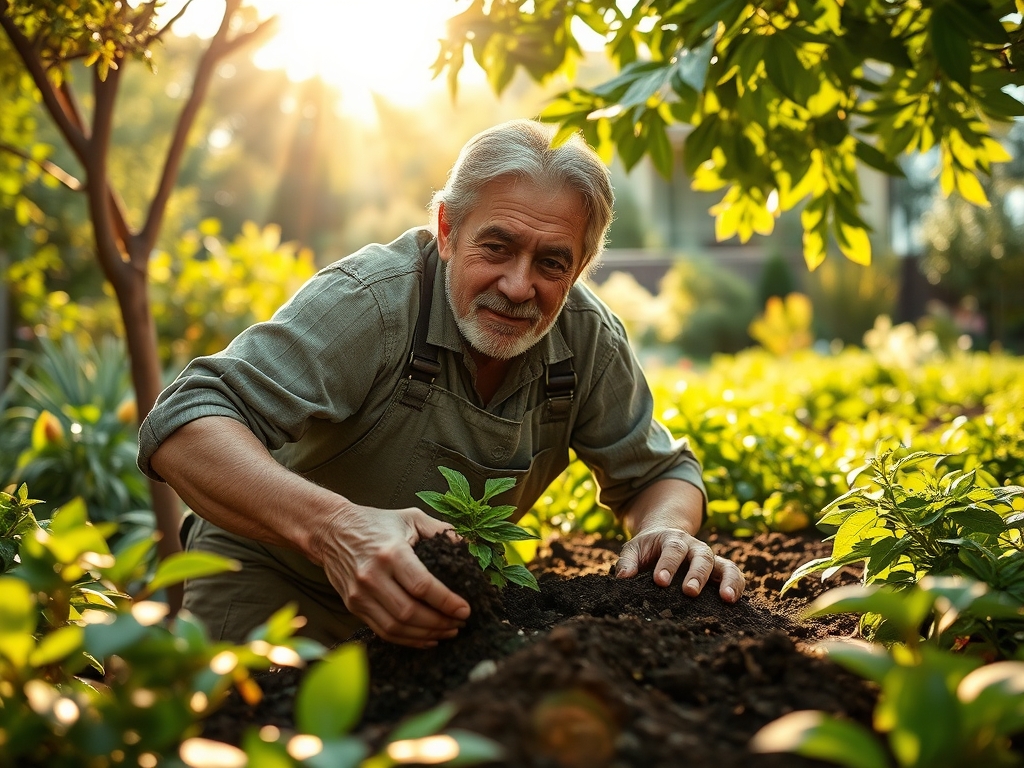
Sowing and Propagation
Start seeds or cuttings in a sterile medium at a constant temperature of 72 to 75 degrees Fahrenheit. For cuttings, use a rooting hormone containing Indole-3-butyric acid (IBA) to stimulate the formation of adventitious roots.
Pro-Tip: Utilize a humidity dome to prevent wilting. The Biological Why involves maintaining high vapor pressure deficit (VPD) to reduce transpiration stress on the cutting until the vascular system can re-establish water uptake through new root tissue.
Transplanting
Move specimens into their permanent containers once the root ball occupies 70 percent of the starter pot. Use a hori-hori knife to gently loosen any circling roots. This mechanical disruption encourages lateral root branching.
Pro-Tip: Dust the root zone with endomycorrhizal fungi. The Biological Why is mycorrhizal symbiosis; the fungi extend the reach of the root system, increasing the surface area for phosphorus absorption by up to 1,000 percent.
Establishing
During the first 21 days post-transplant, focus on "auxin suppression." By pinching off the terminal buds of fast growing species, you redirect the plant's hormonal energy toward lateral axillary buds.
Pro-Tip: Rotate pots 90 degrees every week. The Biological Why is phototropism. Constant rotation prevents the lopsided accumulation of auxins on the shaded side of the stem, ensuring a balanced, 360-degree canopy.
The Clinic:
Physiological disorders in a maximalist room often stem from environmental imbalances rather than pathogens.
- Symptom: Interveinal Chlorosis (Yellowing between green veins on young leaves).
Solution: This indicates an Iron (Fe) deficiency, often caused by a pH above 7.0. Lower the substrate pH using a sulfur-based acidifier. - Symptom: Leaf Tip Burn (Necrosis of the distal ends of foliage).
Solution: This is frequently a sign of salt accumulation from synthetic fertilizers. Flush the soil with three times the pot volume of distilled water to leach excess mineral salts. - Symptom: Edema (Small, corky bumps on the underside of leaves).
Solution: This occurs when the plant absorbs water faster than it can transpire. Increase airflow using an oscillating fan and reduce irrigation frequency.
Fix-It for Nitrogen Chlorosis: If older leaves turn uniformly pale yellow, apply a quick release liquid fertilizer with a high N-value (30-10-10). Nitrogen is a mobile nutrient; the plant will "cannibalize" it from old growth to support new leaves if the soil supply is exhausted.
Maintenance:
Precision is the difference between a collection and a jungle. Use a soil moisture meter to verify that the root zone has reached a 40 percent moisture depletion level before re-watering. For large floor specimens, provide 1.5 inches of water per week delivered directly at the drip line to ensure the entire root radius is hydrated.
Use bypass pruners for all structural cuts. Unlike anvil pruners, bypass blades act like scissors, creating a clean wound that heals rapidly through the formation of callus tissue. Sterilize your tools with 70 percent isopropyl alcohol between every plant to prevent the mechanical transmission of sub-microscopic pathogens. Monitor the room's relative humidity; aim for a constant 60 to 70 percent range to maximize stomatal conductance and CO2 uptake.
The Yield:
In a maximalist room focused on aesthetics, the "yield" is the successful management of senescence (the aging process). Remove yellowing or dead foliage immediately using sharp snips. This prevents the plant from wasting metabolic energy on failing tissues and eliminates potential breeding grounds for detritivores.
For those growing indoor blooms like Hoya or Spathiphyllum, harvest spent flowers once the pedicel begins to yellow. If you are harvesting herbs for culinary use within the room, cut in the early morning when essential oil concentration is at its peak. Place stems immediately into 40-degree Fahrenheit water to maintain post-harvest turgidity and "day-one" freshness.
FAQ:
How do I prevent soil compaction in large pots?
Incorporate 30 percent inorganic matter like perlite or pumice. These materials do not break down over time, ensuring that oxygen can always reach the rhizosphere, even in deep containers.
What is the ideal light intensity for a dense plant room?
Aim for a Photosynthetic Photon Flux Density (PPFD) of 200 to 400 micromoles per square meter per second for most tropicals. Use a dedicated light meter to measure this at the leaf surface.
Why are my plants dropping leaves despite regular watering?
This is often caused by root suffocation. If the soil stays saturated, the roots cannot access oxygen for cellular respiration. Check for a "sour" smell in the soil, which indicates anaerobic bacterial activity.
How often should I fertilize a high-density room?
During the active growing season, use a "weakly, weekly" approach. Apply a water-soluble fertilizer at 25 percent of the recommended strength every time you water to provide a steady supply of nutrients without salt buildup.