5 Best Railing Herb Planters for Balconies
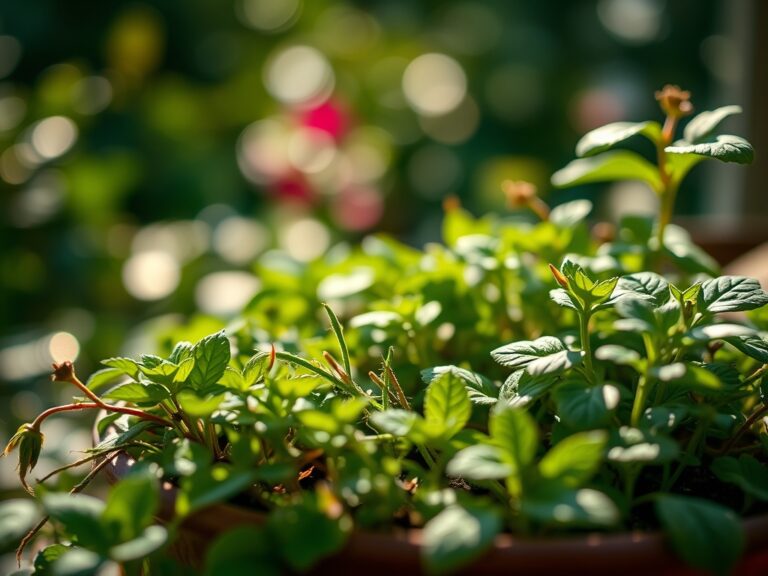
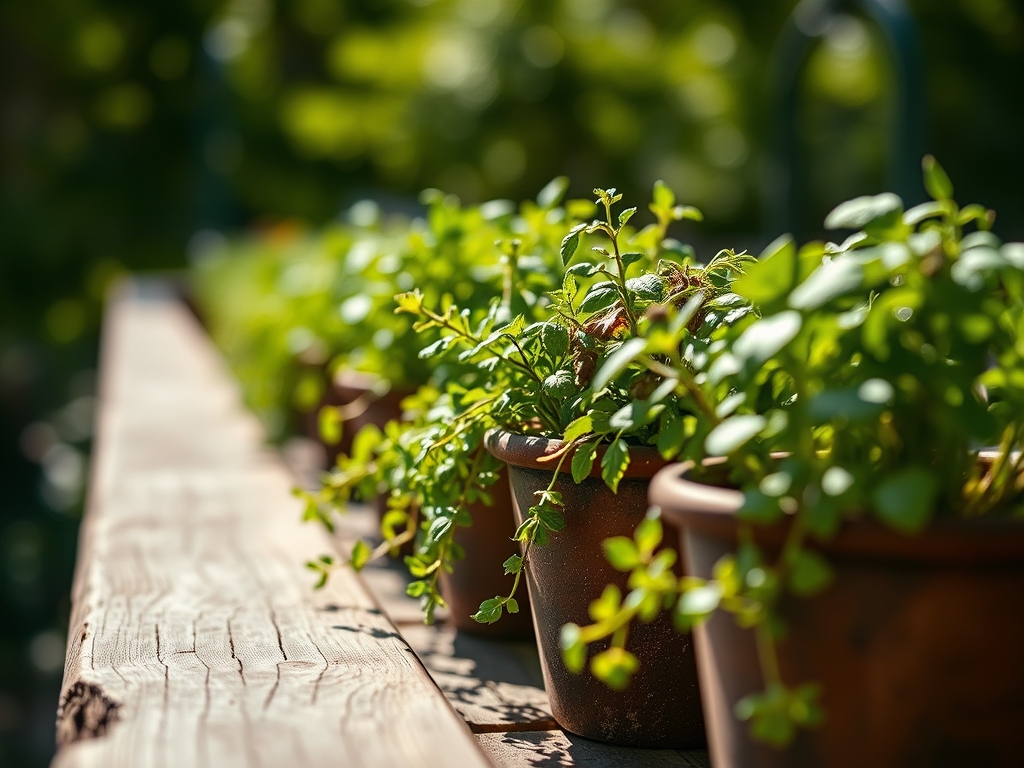
Crushing a fresh leaf of Ocimum basilicum between your thumb and forefinger releases a volatile oil profile that defines the balcony garden. The immediate scent of linalool and eugenol signifies high turgor pressure within the plant cells. Achieving this level of physiological health in a confined space requires the best railing herb planters capable of managing restricted root zones. Balcony gardening is an exercise in precision engineering where the gardener must balance rapid evaporation rates against the high metabolic demands of Mediterranean herbs. Success is measured in the thickness of the cuticle and the rigidity of the stems. A planter must provide more than just a vessel; it must function as a stable microclimate that protects the rhizosphere from the thermal fluctuations inherent in elevated, exposed environments.
Materials:
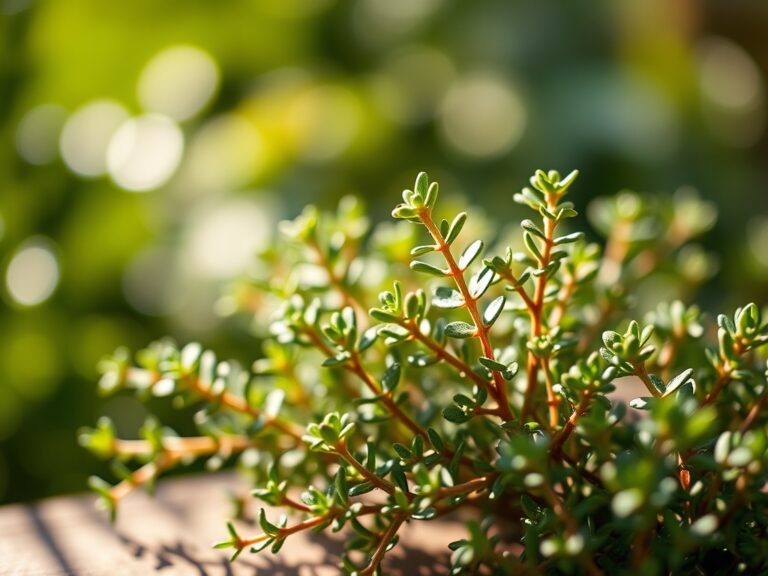
Selecting the best railing herb planters requires a substrate strategy tailored to the specific herb family. For Lamiaceae (basil, mint, oregano), maintain a **soil pH between 6.0 and 7.0**. These species thrive in a friable loam with a high **Cation Exchange Capacity (CEC)** to ensure nutrient availability. The ideal NPK ratio for vegetative growth is **10-10-10** or a slightly nitrogen-heavy **5-3-3** for leafy greens. Avoid heavy clay; instead, use a mix of **60 percent composted organic matter, 20 percent perlite for aeration, and 20 percent coconut coir** to manage moisture retention. This composition prevents the anaerobic conditions that lead to root rot. For woody herbs like rosemary or thyme, increase the grit content to 40 percent to mimic the well-drained, alkaline soils of their native habitats, aiming for a **pH of 7.0 to 7.5**.
Timing:
Herb cultivation on a balcony is dictated by the USDA Hardiness Zones, typically ranging from Zone 4 to Zone 10 for most urban enthusiasts. The biological clock of an herb is triggered by the photoperiod and soil temperature. Do not transplant into railing planters until the nocturnal soil temperature consistently remains above 55 degrees Fahrenheit (13 degrees Celsius). In early spring, plants focus on the vegetative stage, building biomass through photosynthesis. As the summer solstice approaches, the increase in daylight hours can trigger the reproductive stage, causing "bolting" or flowering. To prevent this and maintain flavor profiles, gardeners must monitor the transition and intervene with pruning before the plant shifts its energy from leaf production to seed development.
Phases:
Sowing
Begin seeds in a controlled environment 6 to 8 weeks before the last frost date. Use a sterile seed-starting mix and maintain a consistent temperature of 70 degrees Fahrenheit. Use a heat mat to ensure uniform germination across the flat.
Pro-Tip: Maintain high humidity during the first 72 hours to soften the seed coat. This facilitates the emergence of the radicle by reducing the mechanical resistance the seedling must overcome.
Transplanting
When seedlings develop their second set of true leaves, move them into the best railing herb planters. Space plants 6 to 10 inches apart depending on the species. Ensure the root ball is level with the soil surface to avoid stem rot.
Pro-Tip: Inoculate the soil with mycorrhizal fungi during transplanting. This symbiotic relationship expands the root system's reach, allowing for enhanced phosphorus uptake and improved drought resistance in windy balcony conditions.
Establishing
During the first 14 days, focus on root development. Limit direct midday sun exposure if the balcony faces south. Monitor the plants for signs of transplant shock, such as wilting or leaf drop, which indicates a failure in water conduction through the xylem.
Pro-Tip: Pinch off the apical meristem (the top growth tip) once the plant reaches 6 inches in height. This suppresses auxin, a hormone that maintains apical dominance, and stimulates lateral bud growth for a bushier plant.
The Clinic:
Physiological disorders in railing planters are often the result of environmental stress.
- Symptom: Yellowing of lower leaves (Chlorosis).
Solution: This typically indicates a Nitrogen deficiency. Apply a water-soluble fertilizer with a higher first digit in the NPK ratio. - Symptom: Purple tinting on stems or leaves.
Solution: This suggests Phosphorus deficiency, often caused by soil temperatures dropping below 50 degrees Fahrenheit, which inhibits uptake. - Symptom: Leaf tip burn or marginal necrosis.
Solution: This is often a sign of salt accumulation from tap water or over-fertilization. Flush the planter with distilled water until it runs clear from the drainage holes. - Symptom: Interveinal yellowing on new growth.
Solution: This points to Iron or Magnesium deficiency. Check the soil pH; if it is too high, iron becomes chemically locked and unavailable to the plant.
Fix-It: For general nutrient lockout, verify the CEC of your soil. Adding a small amount of humic acid can improve nutrient transport and stabilize the rhizosphere.
Maintenance:
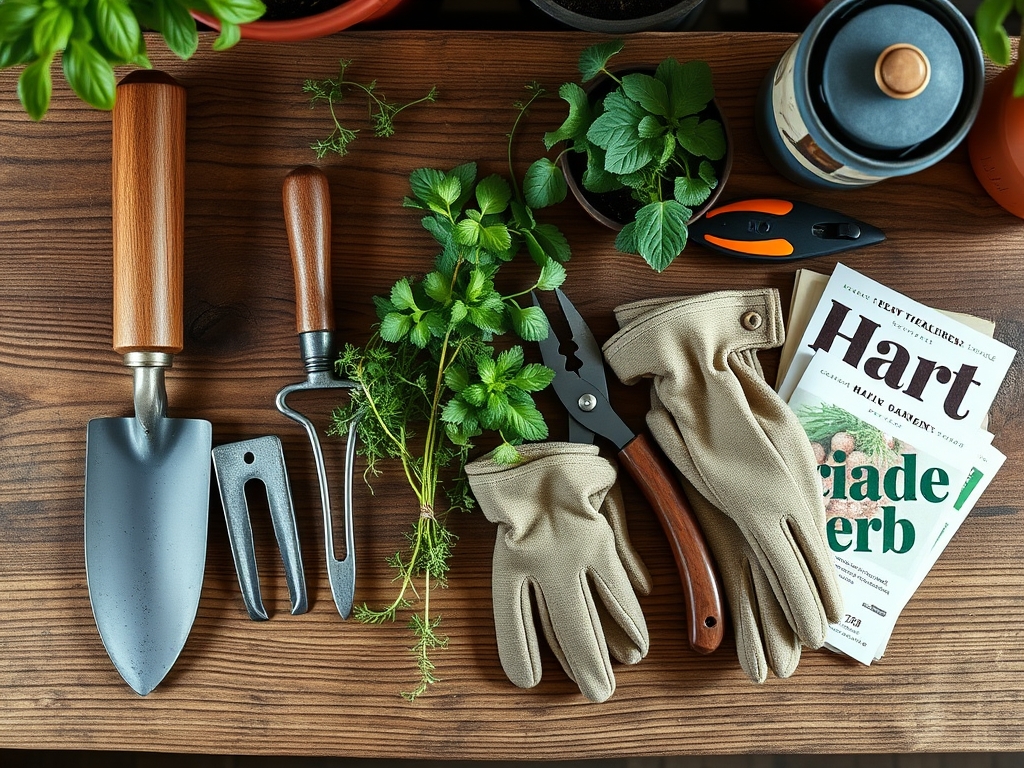
Precision is the difference between a surviving plant and a thriving one. Use a soil moisture meter daily. Railing planters lose moisture faster than ground-level beds due to wind desiccation and ambient heat from the building facade. Provide 1.5 inches of water per week, delivered directly to the soil surface to keep the foliage dry and prevent fungal pathogens. Use a hori-hori knife to remove any deep-rooted weeds that compete for nutrients. Every two weeks, use bypass pruners to remove any yellowing or senescent leaves. This improves airflow through the canopy and reduces the habitat for opportunistic pests. If the planter is plastic or metal, monitor the internal soil temperature; if it exceeds 85 degrees Fahrenheit, provide temporary shade to prevent root cooking.
The Yield:
Harvesting is a tactical operation. For maximum essential oil concentration, harvest herbs in the early morning after the dew has evaporated but before the sun reaches its zenith. Use sharp shears to cut just above a node. Never remove more than one-third of the plant's total biomass at a single time to avoid stalling growth. For woody herbs like rosemary, harvest the tender new growth rather than the old wood. Post-harvest, place the stems in a glass of water or wrap them in a damp paper towel and refrigerate immediately. This maintains cell turgidity and slows the metabolic processes that lead to wilting and flavor loss.
FAQ:
What is the best material for railing planters?
High-density polyethylene (HDPE) or UV-treated polypropylene are ideal. These materials resist cracking under intense sun exposure and provide better thermal insulation for the rhizosphere than thin metals or unglazed terracotta, which dry out rapidly in wind.
How often should I fertilize herbs in containers?
Apply a balanced, liquid seaweed or fish emulsion every 14 to 21 days. Containers have limited soil volume, and frequent watering leaches essential cations like potassium and magnesium from the substrate, requiring regular replenishment for sustained growth.
Do railing planters need drainage holes?
Yes. Without drainage, water displaces oxygen in the soil pores, leading to root asphyxiation and Pythium root rot. Ensure your planter has at least two 0.5-inch holes per linear foot to allow excess gravitational water to exit.
Which herbs grow best in partial shade balconies?
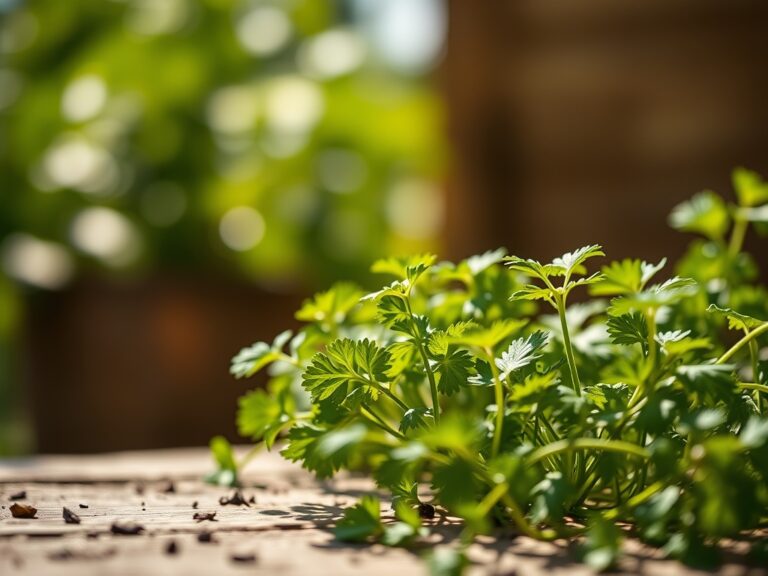
Mint, chives, parsley, and cilantro tolerate lower light levels, requiring only 3 to 4 hours of direct sun. Mediterranean herbs like basil and oregano require a minimum of 6 to 8 hours of full sun to develop high oil concentrations.
How do I secure a planter to a high-rise railing?
Use heavy-duty, adjustable steel brackets designed for the specific width of your railing. Ensure the planter has a deep "saddle" design or secondary safety straps to prevent displacement during high-velocity wind events common on upper floors.