10 Expert Ways Best Way to Hang Plants High
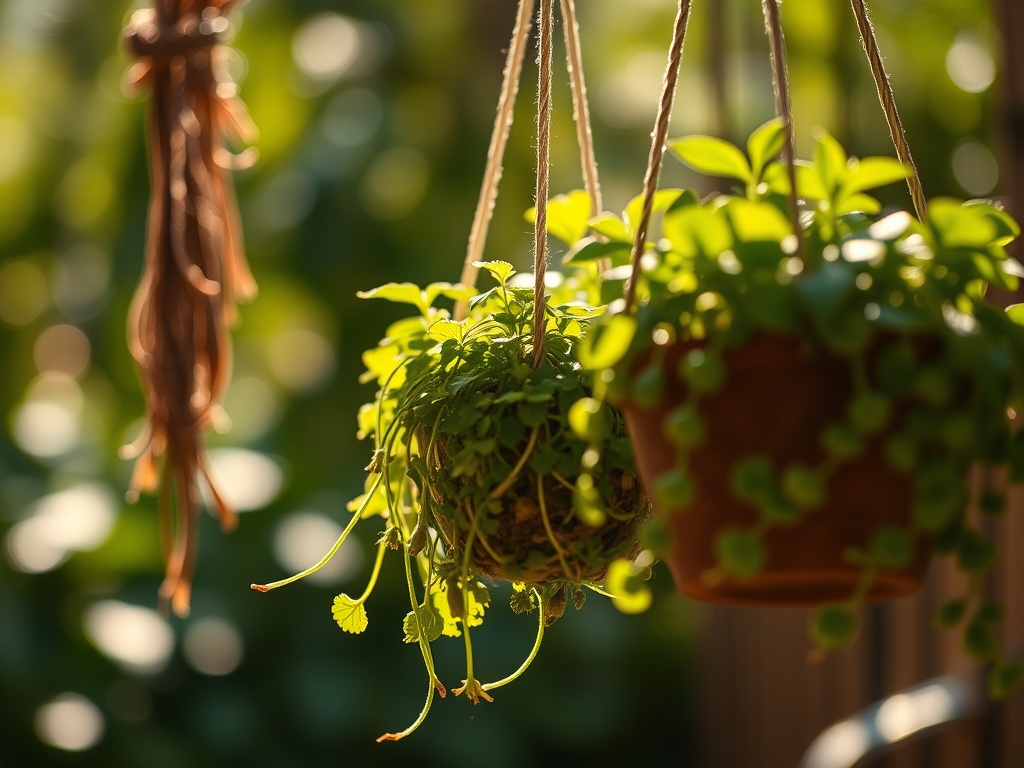
The scent of potting mix drifts upward as you secure a trailing philodendron eight feet above the floor, its aerial roots reaching toward humidity pockets near the ceiling. Elevating plants transforms vertical space into productive growing zones, but the best way to hang plants high demands engineered supports, moisture-retention strategies, and cultivar selection tuned to low-light gradients. Most failures stem from inadequate hardware rated below 15 pounds or irrigation systems that create dangerous drip zones. This guide synthesizes structural horticulture with plant physiology to create stable, thriving overhead gardens.
Materials
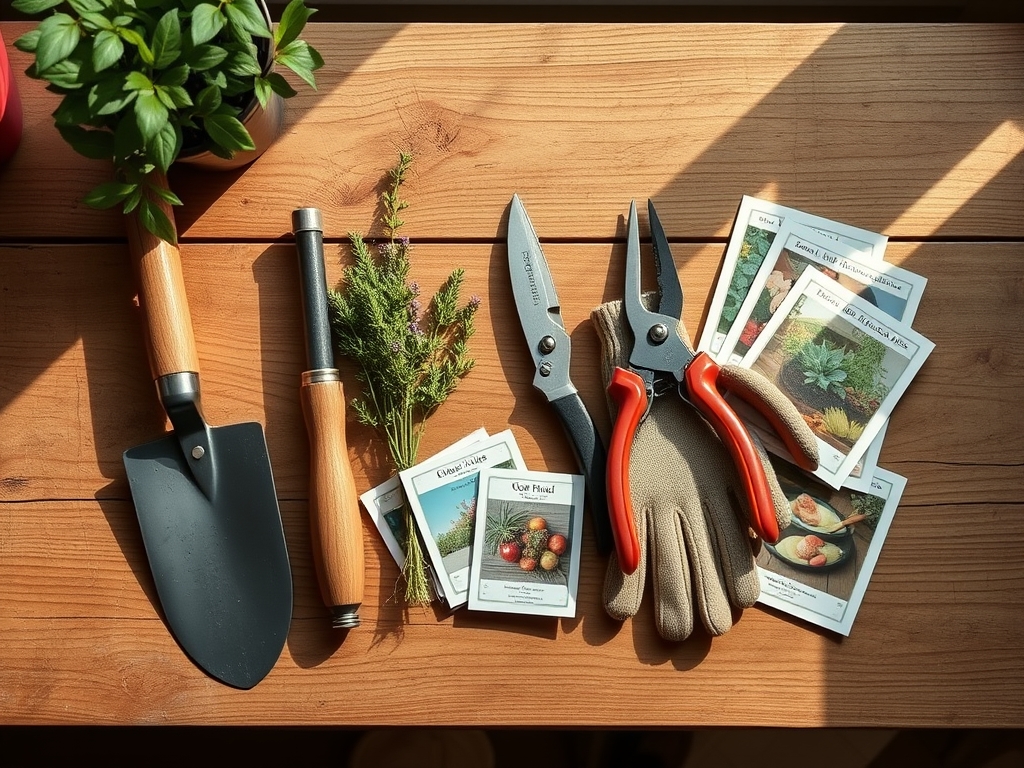
Substrate pH determines nutrient availability in suspended planters. Use peat-based mixes (pH 5.5-6.2) for acid-loving epiphytes like staghorn ferns. Coir blends (pH 6.0-6.8) suit tropical aroids requiring higher cation exchange capacity. Amend with perlite at 30% volume to prevent compaction under sustained moisture.
Hardware must exceed plant weight by 300%. Toggle bolts rated to 50 pounds anchor into drywall when ceiling joists are inaccessible. For joist mounting, use 3-inch lag screws with washers. Swivel hooks prevent chain tangling during seasonal rotations. Stainless steel resists corrosion from humidity and fertilizer salts.
Feed with balanced 4-4-4 organic meal every six weeks during active growth. Suspended plants exhaust substrate nutrients faster due to accelerated drainage. Liquid kelp extract at 1 tablespoon per gallon provides micronutrients and cytokinins that counteract water stress. Mycorrhizal fungi inoculation improves phosphorus uptake in containerized roots with limited soil volume.
Self-watering inserts or reservoir planters reduce irrigation frequency. Capillary matting wicks moisture upward, maintaining consistent substrate tension between waterings.
Timing
Execute installations during dormancy windows (Hardiness Zones 3-7: November through February; Zones 8-11: December through January). Plants tolerate root disturbance better when auxin distribution favors root growth over shoot expansion.
Hardiness considerations matter less indoors, but seasonal light shifts affect photosynthetic rates. Install high-hanging specimens before the winter solstice in northern latitudes to acclimate plants to low-angle light. Supplemental LEDs (5,000-6,500K spectrum) mounted 18 inches above foliage compensate for intensity losses at elevation.
Transplant shock peaks 10-14 days post-installation. Schedule hanging projects two weeks before guests arrive or photography sessions occur.
Phases

Sowing: Select propagules with established root systems measuring 4-6 inches in diameter. Bare-root divisions require 8-12 weeks of ground-level establishment before elevation. Tissue-cultured starts adapt faster to suspended conditions due to uniform vigor.
Pro-Tip: Dip root balls in diluted rooting hormone (0.1% IBA solution) even for mature plants. This stimulates adventitious root formation along stems, creating backup vascular pathways if primary roots suffer transplant damage.
Transplanting: Water substrate to field capacity one hour before installation. This adds weight for stability testing but prevents air pockets during mounting. Thread chains through drainage holes rather than relying on pot rim hooks; this distributes load across the container base.
Position plants 12-18 inches below ceiling height to allow for growth while maintaining air circulation. Stagnant air at ceiling level concentrates ethylene gas, accelerating senescence in sensitive species like Boston ferns.
Pro-Tip: Trim 20% of foliage at 45-degree angles to reduce transpiration demand during the establishment phase. This practice redirects carbohydrates to root regeneration rather than maintaining excessive leaf area.
Establishing: Monitor daily for seven days, then shift to every three days for three weeks. Press a moisture meter 4 inches deep; readings below 30% indicate irrigation need. Overhead plants dry 40% faster than ground-level equivalents due to rising heat currents.
Pro-Tip: Rotate planters 90 degrees weekly. Phototropism causes asymmetric growth toward windows. Rotation maintains balanced canopy architecture and prevents chain stress concentration.
Troubleshooting
Symptom: Leaf tips brown and crisp despite regular watering.
Solution: Low humidity at ceiling level. Install a humidifier or group plants to create microclimate zones. Mist foliage is ineffective; aim for 50-60% ambient relative humidity.
Symptom: Yellowing lower leaves with green veins.
Solution: Iron chlorosis from alkaline substrate pH. Drench with chelated iron (1 teaspoon per gallon) and amend with sulfur to lower pH by 0.5 units.
Symptom: White cottony masses on stems.
Solution: Mealybugs exploit reduced inspection frequency on high plants. Swab with 70% isopropyl alcohol using an extension pole. Release parasitic wasps (Leptomastix dactylopii) for biological control.
Symptom: Planter swings excessively from HVAC airflow.
Solution: Install dampening springs between hook and chain. Alternatively, anchor planters to walls with adjustable tension wires at 45-degree angles.
Symptom: Roots emerge from drainage holes after six months.
Solution: Root-bound conditions. Transplant to containers 2 inches larger in diameter or perform root pruning by removing outer 1 inch of root mass.
Maintenance
Irrigate when the top 2 inches of substrate feel dry to touch. Apply 1.5 cups of water per 8-inch diameter pot, increasing to 3 cups for 12-inch pots. Use a watering wand with a 24-inch extension and shut-off valve to control flow at height.
Fertilize with half-strength 3-1-2 NPK liquid formula every four weeks from March through September. Flush substrate with clear water monthly to prevent salt accumulation that causes marginal necrosis.
Prune during active growth to direct auxin flow. Remove spent flowers and damaged foliage with sterilized pruners to prevent pathogen establishment in wounds.
FAQ
How much weight can standard ceiling drywall support?
Toggle bolts distribute load across 16 square inches and hold 30-50 pounds when properly installed. Locate joists with a stud finder for installations exceeding 25 pounds.
Which plants tolerate low light at ceiling height?
Pothos, philodendron, and snake plants maintain photosynthesis at 50-75 foot-candles. Measure with a light meter; most ceilings receive 40% less intensity than waist-level surfaces.
How do I water without creating floor puddles?
Use saucers attached with silicone-coated wire or install pulley systems that lower plants for maintenance. Reservoir planters with overflow indicators prevent excess drainage.
Can I hang succulents at high elevations?
Yes, but increase light exposure. Succulents require 200+ foot-candles. Position within 3 feet of south-facing windows or supplement with grow lights.
What is the ideal chain length for 9-foot ceilings?
Suspend plants 72-78 inches above the floor. This allows 6 inches of clearance for canopy expansion while keeping foliage visible from standing height.