10 Best Mulching for Herb Beds
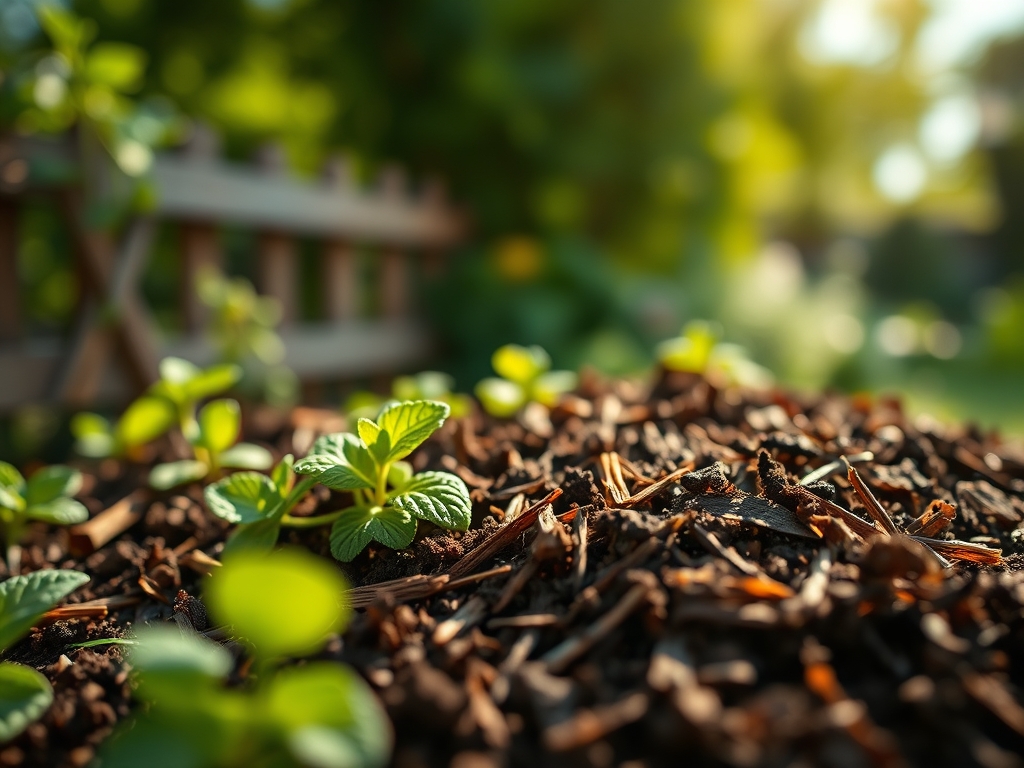
Crushing a handful of sun-warmed rosemary reveals the immediate relationship between soil moisture and essential oil concentration. When the rhizosphere maintains consistent hydraulic conductivity, the plant achieves maximum turgor pressure; the cell walls remain rigid and the volatile compounds stay potent. Achieving this balance requires the best mulching for herb beds to prevent rapid evaporation and soil crusting. Without a protective layer, the sun bakes the top two inches of soil, killing beneficial microbes and forcing the plant into a state of water-stress induced dormancy.
Proper mulching is not merely aesthetic. It is a calculated intervention in the soil's thermal mass. In high-performance herb gardens, the mulch layer acts as a buffer against diurnal temperature fluctuations. A stable root zone temperature ensures that metabolic processes, such as nutrient uptake and protein synthesis, continue at peak efficiency. Most Mediterranean herbs require a well-drained substrate with high gas exchange capacity. Selecting the correct material ensures that oxygen reaches the roots while moisture remains accessible at the capillary level.
Materials:
The selection of mulch depends on the target soil pH and the desired Cation Exchange Capacity (CEC). For most culinary herbs, a pH range of 6.0 to 7.0 is ideal. The physical substrate should be a friable loam with a high percentage of organic matter to support microbial life.
- Pine Bark Fines: These have an acidic profile (pH 4.0 to 5.0) and are best for acid-loving herbs like sorrel. They provide an NPK ratio of approximately 0.1-0.0-0.1.
- Arborist Wood Chips: These offer a high carbon-to-nitrogen ratio. As they decompose, they foster a fungal-dominant rhizosphere.
- Clean Wheat Straw: Ideal for annual herbs like basil. It has high reflectivity, keeping the soil cool.
- Pea Gravel: Best for Mediterranean perennials (lavender, thyme, sage). It provides zero nutritional value but ensures maximum drainage at the crown.
- Leaf Mold: Rich in calcium and magnesium; it has a CEC of over 20, significantly improving nutrient retention.
- Composted Manure: Provides a 1.0-0.5-0.5 NPK boost. It must be fully aged to avoid ammonia burn on tender stems.
- Hemp Hurd: A sustainable option with high lignin content that resists rapid decomposition.
- Rice Hulls: Excellent for improving aeration in heavy clay soils while providing a thin protective barrier.
- Alfalfa Pellets: These act as a slow-release fertilizer with a 3-1-2 NPK ratio and contain triacontanol, a natural growth stimulant.
- Shredded Cedar: Naturally resistant to decay; best used for long-term perennial beds where soil disturbance is minimal.
Timing:
Application timing is dictated by your USDA Hardiness Zone and the biological clock of the specific herb. In Zones 5 through 7, wait until the soil temperature reaches a consistent 60 degrees Fahrenheit (15.5 Celsius) before applying organic mulches. Applying too early traps winter cold in the ground, delaying the transition from the vegetative stage to the reproductive stage.
For Mediterranean perennials, the window for mulching opens after the first hard frost in autumn to prevent "heaving" caused by freeze-thaw cycles. In the spring, wait until the plant shows active terminal bud growth. This ensures the mulch does not interfere with the soil's natural warming process, which is critical for the activation of nitrifying bacteria.
Phases:

Sowing and Seedling Emergence
Direct-sown herbs like cilantro or dill require a minimal mulch layer. Use a 0.25-inch layer of fine vermiculite or screened compost. This prevents the soil surface from forming a hydrophobic crust that would otherwise impede the delicate hypocotyl as it emerges.
Pro-Tip: Maintain high surface moisture during this phase to support phototropism. If the soil surface dries out, the seedling may lack the hydraulic pressure needed to break the surface, leading to "damping off" or mechanical failure of the stem.
Transplanting
When moving herbs from nursery pots to the field, apply a 2-inch radius of mulch around the base, leaving a 1-inch gap from the main stem. This gap is vital to prevent fungal pathogens from colonizing the damp bark and attacking the plant's vascular system.
Pro-Tip: Utilize a mulch high in organic matter to encourage mycorrhizal symbiosis. These beneficial fungi extend the root system's reach, allowing for increased uptake of phosphorus and micronutrients that are otherwise immobile in the soil.
Establishing and Maturation
As the herb bed reaches full canopy cover, increase the mulch depth to 3 inches. This depth is the "sweet spot" for suppressing weed seed germination by blocking the light spectrum required for seedling activation.
Pro-Tip: Strategic mulching helps manage auxin suppression. By maintaining a cool root zone, the plant is less likely to bolt (produce premature seeds). High soil temperatures often trigger the hormonal shift from leaf production to flower production, which degrades the culinary quality of the foliage.
The Clinic:
Physiological disorders often manifest when the mulch-soil interface is mismanaged.
- Symptom: Interveinal Chlorosis (Yellowing between leaf veins)
- Solution: This often indicates a magnesium deficiency or a pH imbalance. Test the soil; if the pH is above 7.5, switch to an acidic mulch like pine needles.
- Fix-It: Apply a foliar spray of Epsom salts (1 tablespoon per gallon) to provide immediate magnesium.
- Symptom: Leaf Curl and Stunting
- Solution: This can be caused by "nitrogen robbery." If high-carbon mulch (like fresh sawdust) is mixed into the soil, microbes consume all available nitrogen to break it down.
- Fix-It: Top-dress with a high-nitrogen organic fertilizer (blood meal or feather meal) to restore the Carbon-to-Nitrogen (C:N) balance.
- Symptom: Crown Rot (Browning at the soil line)
- Solution: This is a result of mulch being packed too tightly against the stem, creating a high-humidity microclimate for pathogens.
- Fix-It: Pull mulch back 2 inches from the plant base and improve drainage using a hori-hori knife to aerate the surrounding soil.
Maintenance:
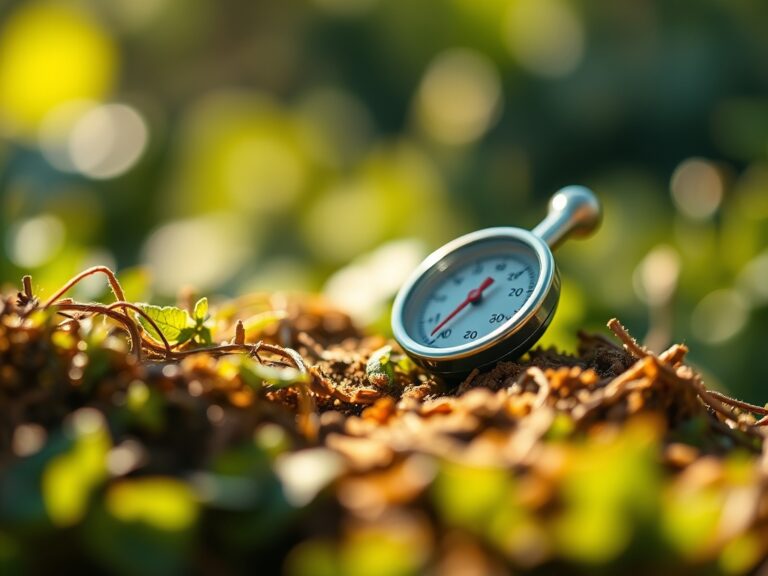
Precision maintenance ensures the longevity of the herb bed. Use a soil moisture meter to verify that the root zone receives 1.5 inches of water per week, delivered at the drip line. Overhead watering should be avoided; it increases the risk of foliar diseases and washes away the fine particles of the mulch.
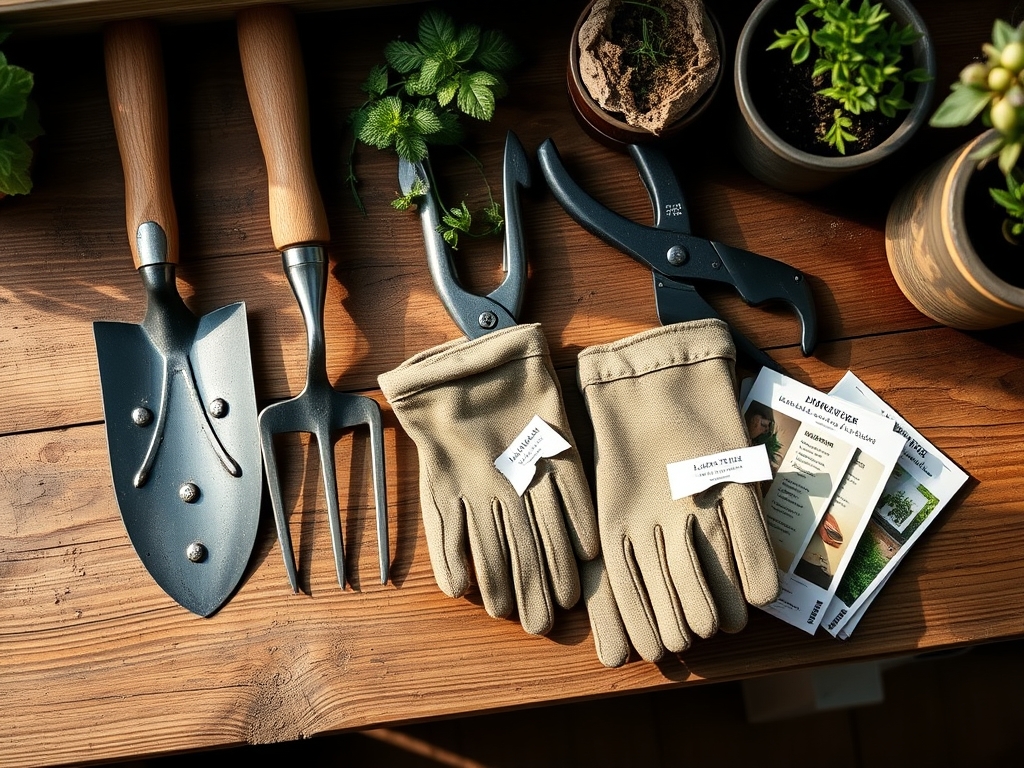
Inspect the mulch layer every 30 days. If the material has compacted into a solid mat, use a hand rake to fluff it. This maintains the necessary gas exchange for the rhizosphere. Every spring, scrape away the old, decomposed mulch and replace it with fresh material to maintain the desired depth and suppress the next generation of weed seeds. Use bypass pruners to remove any lower leaves that touch the mulch surface to prevent soil-borne pathogens from migrating upward.
The Yield:
Harvesting herbs is a science of timing. For the highest essential oil content, harvest in the early morning after the dew has evaporated but before the sun reaches its zenith. Use sharp shears to make clean cuts; jagged tears lead to rapid senescence and moisture loss.
Post-harvest, herbs should be treated like fresh flowers. Place the stems in cool water or wrap them in a damp paper towel and refrigerate at 34 to 40 degrees Fahrenheit. This slows the metabolic rate and preserves the turgor of the leaves. For woody herbs like rosemary or thyme, avoid harvesting more than one-third of the plant at a time to ensure the specimen has enough photosynthetic surface area to recover.
FAQ:
Can I use grass clippings as herb mulch?
Yes, but only if they are herbicide-free. Apply in thin 0.5-inch layers to prevent matting. Grass is high in nitrogen, providing a quick boost to leafy herbs like basil and parsley.
How deep should mulch be for lavender?
Lavender requires excellent drainage. Use 1 to 2 inches of inorganic mulch, such as pea gravel or crushed oyster shells. Avoid thick organic mulches that retain too much moisture around the crown, which causes rot.
Does mulch attract pests to my herbs?
While mulch provides habitat for beneficial predatory insects, excessive moisture can attract slugs. Maintain a 1-inch gap between the mulch and the herb stems to minimize the risk of pest migration and fungal infection.
When should I replace my herb bed mulch?
Replenish organic mulch once per year in the spring. As the bottom layer decomposes into humus, it improves soil structure. Add enough new material to maintain a consistent 2 to 3-inch depth.