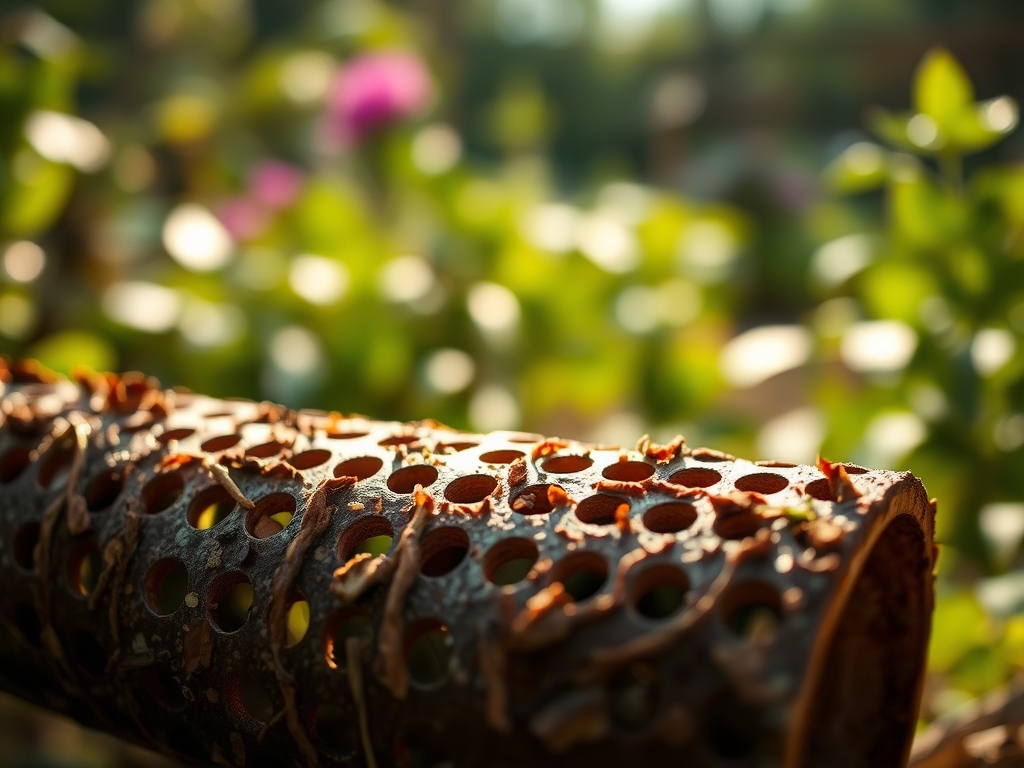
6 Best Perforated Pipe for Drainage
The smell of damp, anaerobic earth indicates a failure in the rhizosphere. When soil pores remain saturated for more than 48 hours, oxygen is displaced; this leads to root rot and the collapse of cellular turgor pressure within the plant. Installing the best perforated pipe for drainage is the primary defense against such hydraulic stagnation. Effective water management ensures that gravitational water moves away from the root zone, maintaining a balanced Cation Exchange Capacity (CEC) and preventing the buildup of toxic salts. Professional drainage systems rely on high-density polyethylene or rigid PVC to facilitate this subsurface movement. Without a calculated exit strategy for excess moisture, even the most fertile loam becomes a graveyard for high-value specimens.
Materials:

Selecting the correct drainage pipe requires an analysis of the local soil pH and texture. In acidic environments with a pH below 5.5, metal components corrode rapidly; therefore, polymer-based pipes are essential. The ideal substrate for backfilling a drainage trench is a friable loam with a high sand content to ensure rapid infiltration. When considering nutrient management, remember that drainage affects NPK ratios. Excessive leaching in sandy soils can deplete Nitrogen (N) and Potassium (K), while waterlogged clay inhibits Phosphorus (P) uptake.
- High-Density Polyethylene (HDPE) Corrugated Pipe: Flexible and cost-effective for irregular terrain.
- Rigid PVC (SDR-35): Superior crush strength for deep burials or under-driveway applications.
- Pre-wrapped French Drain Pipe: Features a geotextile fabric to filter fine silts.
- Smooth-Wall Perforated Pipe: Maximizes flow velocity to prevent sediment accumulation.
- Triple-Wall Pipe: Combines a corrugated core with smooth inner and outer walls for durability.
- Thin-Wall Perforated Pipe: Suitable for light-duty residential landscape runoff.
Timing:
Successful drainage installation must occur during periods of low soil moisture to prevent compaction. In Hardiness Zones 4 through 7, the optimal window is late summer or early autumn when the water table is at its lowest. This timing avoids the spring thaw, where saturated soils are prone to structural collapse under the weight of excavation equipment. Understanding the biological clock of your landscape is vital; installing drainage during the transition from vegetative to reproductive stages can stress plants. Aim to complete major earthworks while perennial species are entering senescence or are fully dormant to minimize root trauma and transplant shock.
Phases:

Sowing and Preparation
Excavate a trench with a consistent 1 percent to 2 percent slope to ensure gravitational flow. The trench should be at least 12 inches deep to sit below the primary root zone of turfgrass. Line the bottom with 2 inches of washed 3/4-inch crushed stone.
Pro-Tip: Maintain a precise slope because stagnant water in the pipe encourages the growth of iron-oxidizing bacteria. This biological film can clog perforations and neutralize the drainage system.
Transplanting and Placement
Lay the perforated pipe with the holes facing downward. This allows the water table to rise into the pipe from below, which is the most efficient method for lowering the saturation point of the surrounding soil. Surround the pipe with an additional 6 inches of crushed stone before covering with a geotextile filter fabric.
Pro-Tip: Facing the perforations downward utilizes the principle of hydraulic head pressure. As the water table rises, it enters the pipe at the lowest possible point, preventing the "bath-tub effect" in the trench.
Establishing the System
Backfill the remainder of the trench with a high-porosity soil mix. Avoid heavy clays that will seal the surface and prevent vertical infiltration. Tamp the soil lightly to prevent settling, but do not over-compact, as this destroys the macropores necessary for gas exchange.
Pro-Tip: Mycorrhizal fungi require aerobic conditions to form symbiotic relationships with plant roots. By establishing a functional drainage system, you ensure these fungi can survive and assist in nutrient uptake.
The Clinic:
Physiological disorders often mimic nutrient deficiencies but are frequently caused by poor drainage.
- Symptom: Interveinal chlorosis in new growth.
- Solution: This often indicates an Iron (Fe) deficiency caused by high soil pH or waterlogged conditions. Improve drainage to lower the water table and allow the soil to acidify naturally.
- Symptom: Leaf epinasty (downward curling) and wilting despite wet soil.
- Solution: This is a classic sign of root hypoxia. The roots cannot respire and are dying. Install a 4-inch perforated HDPE pipe to evacuate excess water.
- Symptom: Stunted growth and purplish leaf undersides.
- Solution: This suggests Phosphorus deficiency. Cold, wet soils inhibit P-availability. Increase soil temperature by improving drainage and aeration.
Fix-It: For Nitrogen chlorosis (yellowing of older leaves), apply a balanced 10-10-10 fertilizer only after the drainage issues are resolved. Adding nutrients to saturated soil is ineffective because the plant cannot actively transport them.
Maintenance:
A drainage system is not a "set and forget" installation. Use a soil moisture meter weekly to ensure the root zone remains between 20 percent and 40 percent volumetric water content. Most ornamental landscapes require approximately 1.5 inches of water per week at the drip line, either through rainfall or supplemental irrigation.
Clean out the discharge points of your pipes twice a year. Use a hori-hori knife to clear away encroaching roots or debris from the pipe exit. If you notice a decrease in flow after heavy rain, use a plumbing snake to check for internal obstructions. Inspect the surface for "sinkholes," which indicate a breach in the filter fabric where soil is entering the pipe. Use bypass pruners to remove any woody vegetation growing directly over the pipe line, as aggressive roots can penetrate even rigid PVC over time.
The Yield:
In a well-drained landscape, the yield is measured in plant vigor and longevity. For those growing cut flowers or edibles, proper drainage ensures "day-one" freshness by maintaining high turgor pressure at the time of harvest. Harvest during the early morning hours when the plant is at maximum hydration. Use sharp, sterilized shears to make clean cuts, and immediately plunge the stems into 40-degree Fahrenheit water. This rapid cooling slows the rate of respiration and senescence, extending the post-harvest life of the tissue.
FAQ:
Which direction should the holes face on a perforated pipe?
Always face the perforations downward. This allows water to enter the pipe as the water table rises from below, ensuring more efficient drainage and preventing the pipe from filling with silt from surface runoff.
Do I need a sleeve or sock for my drainage pipe?
Use a geotextile sleeve if you are working in sandy or silty soils. The fabric prevents fine particles from entering the pipe and causing clogs, while still allowing water to pass through the mesh freely.
What is the best slope for a drainage pipe?
A minimum slope of 1 percent is required, which equates to a 1-inch drop for every 8 feet of pipe. A 2 percent slope is preferred to ensure high flow velocity and self-cleaning of the pipe.
Can I use perforated pipe for a septic leach field?
Yes, but it must be a specific grade of rigid perforated pipe designed for effluent distribution. Corrugated flexible pipe is generally not recommended for leach fields due to the risk of uneven settling.