9 Vital Steps to Grow Humidity Loving Plants
The scent of damp, decaying organic matter combined with the sharp ozone of a misted room signifies a high-functioning tropical microclimate. When you master how to grow humidity loving plants, you are managing turgor pressure at a cellular level. High relative humidity (RH) reduces the vapor pressure deficit between the leaf interior and the atmosphere. This prevents excessive transpiration; the plant retains its structural rigidity without exhausting its metabolic energy. Success requires precise control over the rhizosphere and atmospheric moisture to prevent cellular collapse or fungal pathogens.
Materials:
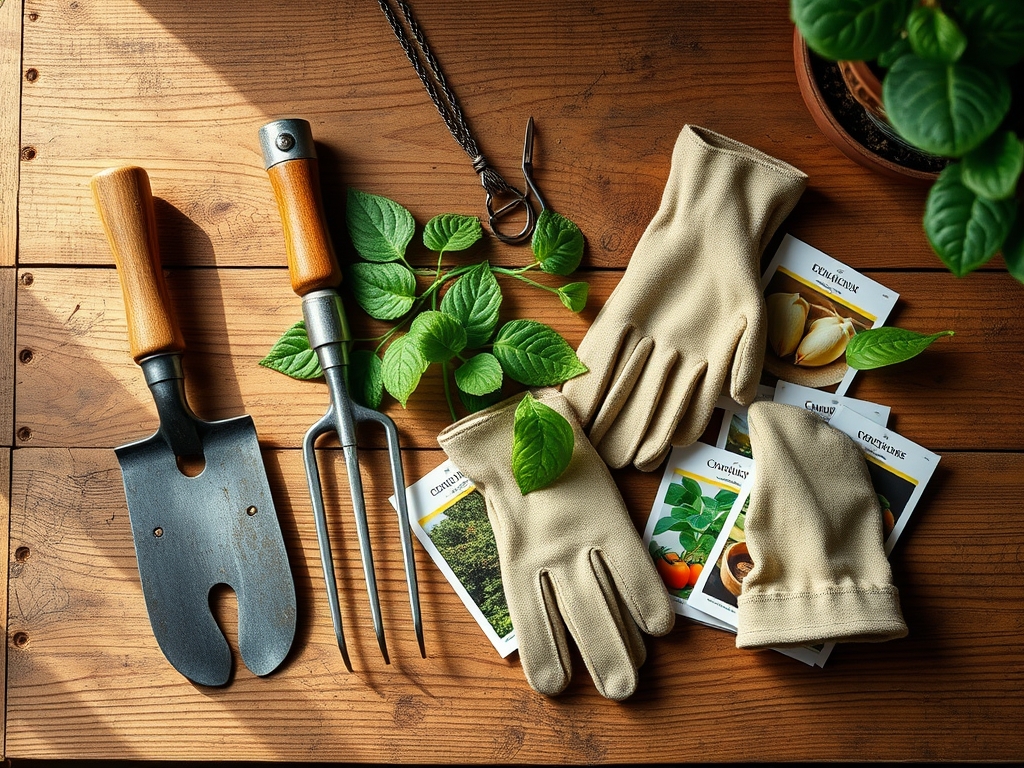
Substrate selection is the foundation of moisture management. You require a **friable loam** with high porosity to ensure oxygen reaches the roots even in saturated air. Aim for a soil **pH between 5.5 and 6.5** to maximize nutrient availability.
The chemical profile must support rapid vegetative expansion. Use a controlled-release fertilizer with an NPK ratio of 3-1-2 for foliage-heavy species like Monstereae or Calathea. For flowering tropicals, shift to a 1-2-1 ratio to stimulate phosphorus-led bud development. High Cation Exchange Capacity (CEC) materials, such as calcined clay or coco coir, are essential. These components hold positively charged ions like Calcium and Magnesium, preventing them from leaching during frequent irrigation cycles.
Timing:
Most humidity loving species originate from equatorial regions and are suited for USDA Hardiness Zones 10 through 12. If you are in a temperate zone, your window for outdoor growth is strictly limited to periods when nighttime lows remain consistently above 55 degrees Fahrenheit.
The biological clock of these plants is governed by the photoperiod. Transitioning from the vegetative stage to the reproductive stage often requires a shift in light duration or a slight drop in nocturnal temperatures. Monitor the vernalization requirements of your specific taxa. For many indoor tropicals, the "active phase" aligns with the increased solar radiation of March through September; this is when metabolic rates peak and nutrient uptake is most aggressive.
Phases:
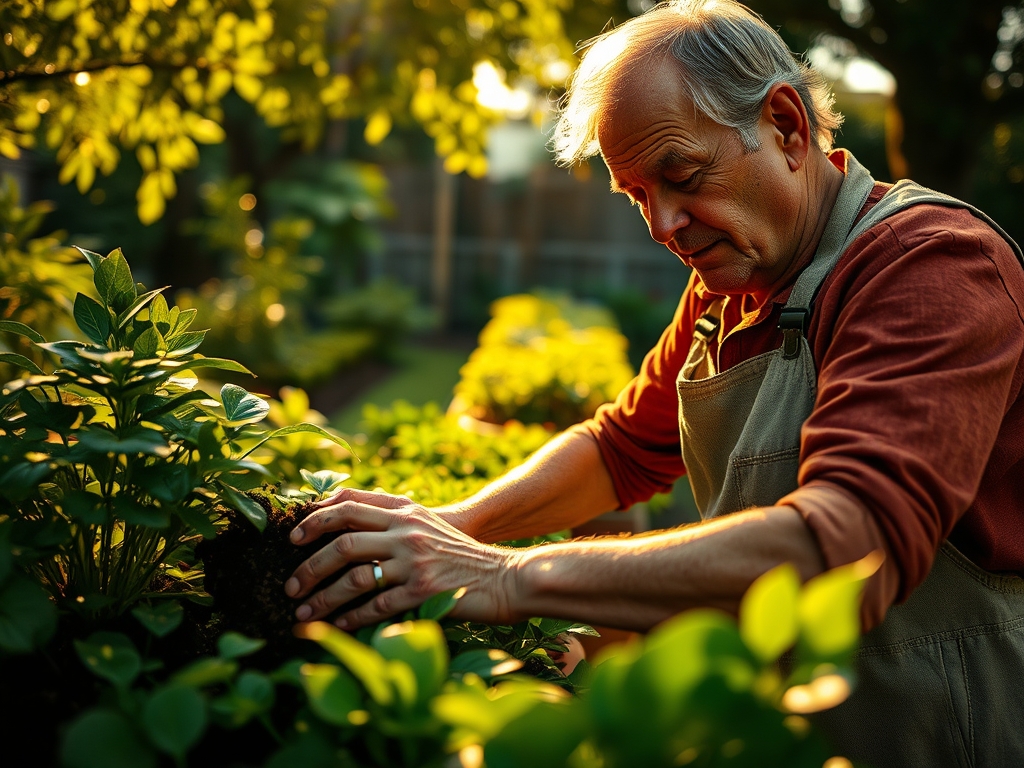
Sowing and Propagation
Start seeds or cuttings in a sterile medium with a constant bottom heat of 75 degrees Fahrenheit. Use a humidity dome to maintain RH levels above 85 percent. This prevents the desiccation of undifferentiated tissue before root initiation occurs.
Pro-Tip: Maintain high humidity to suppress auxin degradation. High moisture levels allow auxins to concentrate at the basal node, accelerating the formation of adventitious roots through cellular differentiation.
Transplanting
Move specimens when the root mass occupies 75 percent of the current vessel. Use a hori-hori knife to gently loosen the root ball if it has become pot-bound. Ensure the transition happens in a shaded, high-humidity environment to reduce transplant shock.
Pro-Tip: Introduce mycorrhizal fungi to the planting hole. This symbiotic relationship expands the root surface area by up to 1,000 times, significantly increasing the plant's ability to pull water and phosphorus from the substrate.
Establishing
During the first six weeks, maintain a consistent soil moisture level of 70 percent. Use a digital soil moisture meter to verify that the core of the root ball is not anaerobic. Avoid heavy fertilization during this phase to prevent salt burn on new, sensitive root tips.
Pro-Tip: Utilize thigmotropism by providing a moss pole or cedar stake. Many humidity loving climbers produce larger leaves when they sense a vertical support, as the physical contact triggers a hormonal shift toward mature growth patterns.
The Clinic:
Physiological disorders in high-humidity environments often mimic nutrient deficiencies. Distinguishing between the two is critical for survival.
Symptom: Edema (Small bumps or blisters on leaf undersides)
Solution: This is a water management failure where the plant takes up more water than it can transpire. Increase airflow using a small oscillating fan and reduce irrigation frequency. Ensure the ambient temperature is at least 10 degrees higher than the soil temperature.
Symptom: Tip Necrosis (Brown, crispy leaf edges)
Solution: This indicates a lack of atmospheric moisture or a buildup of mineral salts. Flush the substrate with distilled water to lower the Electrical Conductivity (EC) and increase the local RH to at least 60 percent.
Fix-It: Nitrogen Chlorosis
If older leaves turn pale yellow while veins remain slightly green, the plant is scavenging nitrogen for new growth. Apply a water-soluble fertilizer with a high Nitrate-Nitrogen content at half strength to restore chlorophyll production without shocking the vascular system.
Maintenance:
Precision is the difference between a surviving plant and a thriving one. Apply 1.5 inches of water per week at the drip line for outdoor tropicals; indoor specimens should be watered when the top 0.5 inch of soil feels dry.
Use bypass pruners for clean cuts that heal quickly. Ragged edges are entry points for pathogens in humid air. Clean the foliage monthly with a damp cloth to remove dust. Dust occludes the stomata, the microscopic pores used for gas exchange, which can reduce photosynthetic efficiency by up to 30 percent. Monitor the "dew point" in your growing space; if water consistently beads on leaves overnight, you must increase ventilation to prevent Botrytis cinerea.
The Yield:
For those growing humidity loving gingers or fruiting aroids, harvest timing depends on the Brix scale or color change. Harvest in the early morning when turgor pressure is at its maximum. This ensures the cells are fully hydrated, extending the shelf life of the cut flower or fruit.
Use a sharpened hori-hori knife to sever the stem cleanly. Post-harvest, submerge the cut ends in 110-degree Fahrenheit water for ten minutes. This "pulsing" technique breaks air pockets in the xylem, allowing for immediate rehydration and maintaining "day-one" freshness for a significantly longer duration.
FAQ:
How do I increase humidity without a humidifier?
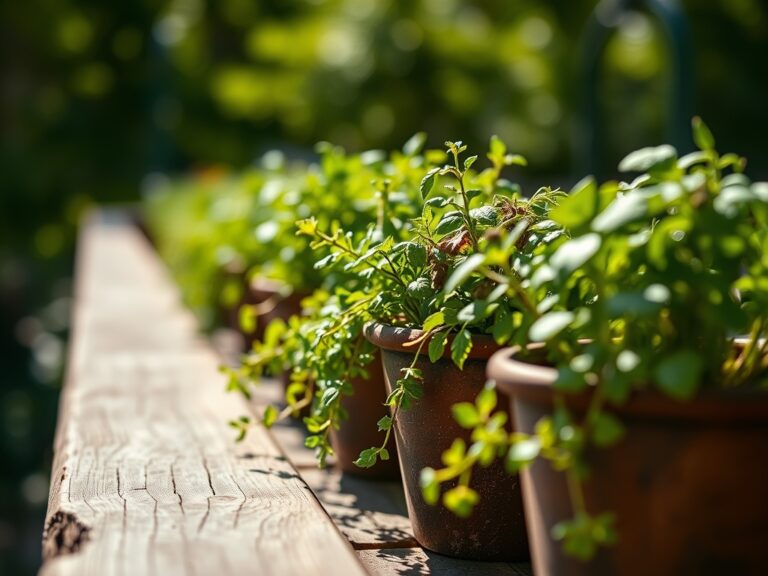
Group plants closely to utilize collective transpiration. Place pots on a tray filled with pebbles and water, ensuring the root zone stays above the water line. This creates a localized microclimate of elevated water vapor through evaporation.
Why are my plant leaves turning yellow?
Yellowing, or chlorosis, usually stems from overwatering or nitrogen deficiency. Check the rhizosphere for foul odors indicating root rot. If the soil is healthy, apply a balanced liquid fertilizer to restore essential macronutrients.
Can I use tap water for humidity loving plants?
Many tropical species are sensitive to fluoride and chlorine. These chemicals accumulate in leaf tips, causing necrosis. Use rainwater or distilled water, or allow tap water to sit for 24 hours to dissipate volatile gases.
What is the best temperature for tropical plants?
Maintain a diurnal range between 70 and 85 degrees Fahrenheit. Avoid placing plants near HVAC vents or drafty windows. Rapid temperature fluctuations cause stomata closure, halting photosynthesis and stressing the plant's metabolic processes.