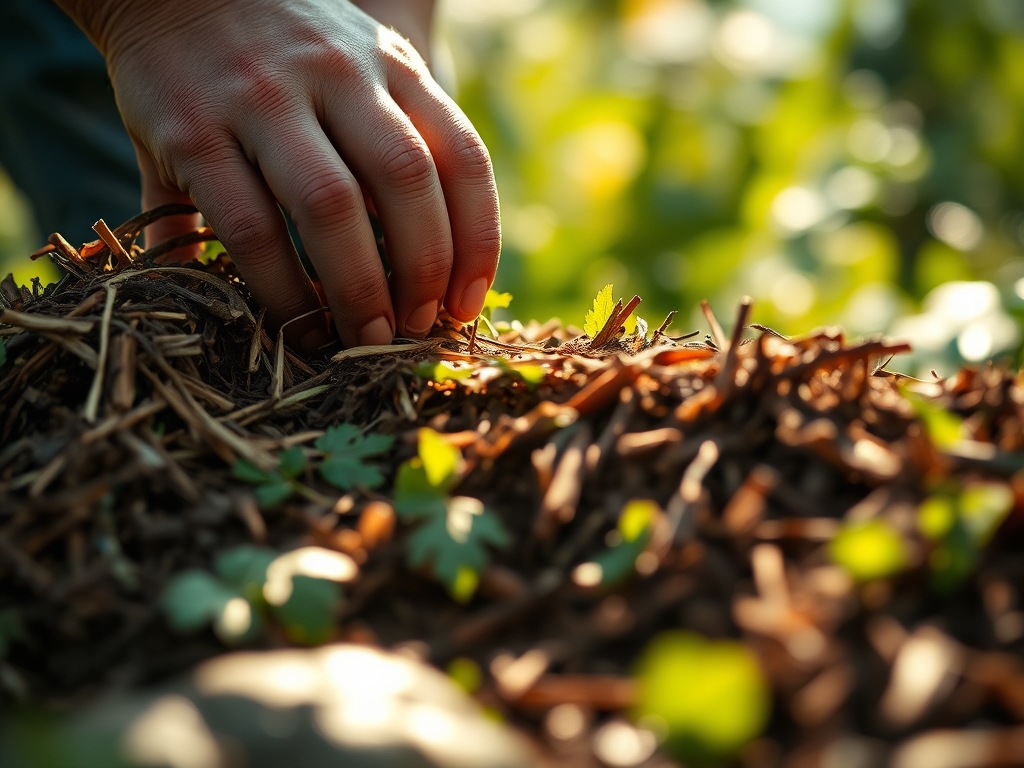
8 Simple Steps to Turn a Compost Pile
The smell of damp, decaying organic matter is the scent of a functioning biological engine. When you grasp a handful of finished compost, the friable texture and earthy aroma indicate a successful thermophilic process. Achieving this requires mastery of the steps to turn a compost pile to maintain aerobic conditions. Without intervention, a pile compacts under its own weight; oxygen levels drop below 5 percent, and anaerobic bacteria take over. This shift produces methane and hydrogen sulfide, stalling the decomposition process. By physically aerating the pile, you introduce the oxygen necessary for Actinomycetes and fungi to metabolize carbon. This manual intervention accelerates the transition from raw waste to a stable, nutrient dense humus. Proper turning ensures that the internal temperature reaches the critical 131 to 160 degrees Fahrenheit range necessary to neutralize pathogens and weed seeds.
Materials:

To optimize the Cation Exchange Capacity (CEC) of your final product, you must manage the chemical inputs. The ideal substrate should eventually reach a pH between 6.0 and 7.5. Start with a Carbon-to-Nitrogen (C:N) ratio of 30:1. High carbon materials like dried straw or wood chips provide the structural matrix, while high nitrogen materials like fresh manure or legume residues drive the microbial heat.
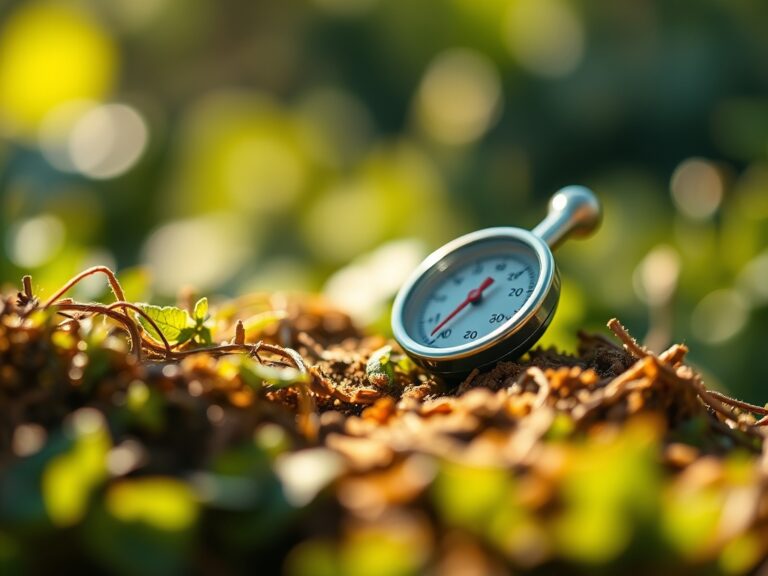
A well balanced pile will yield an NPK ratio of approximately 1-1-1 or 2-1-1 once fully matured. The physical texture should be a friable loam; it must hold its shape when squeezed but crumble easily when poked. Use a long-stemmed compost thermometer to monitor the core. A pitchfork or a specialized compost aerator is essential for the physical labor of the steps to turn a compost pile.
Timing:
The biological clock of a compost pile is dictated by ambient temperature and the volume of the mass. In USDA Hardiness Zones 4 through 6, the window for active outdoor composting narrows as soil temperatures drop below 40 degrees Fahrenheit. Microbial activity slows significantly during the winter months.
The transition from the initial mesophilic phase to the high heat thermophilic phase typically occurs within 48 to 72 hours of pile construction. You must turn the pile when the internal temperature peaks and begins to decline, usually around the 140 degree mark. In the vegetative stage of the pile, where raw materials are still recognizable, turning should occur every 3 to 5 days. As the pile enters the cooling or maturation phase, the frequency decreases to once every 2 to 3 weeks.
Phases:

Sowing the Foundation
The first step in the steps to turn a compost pile is the initial assembly. Layer 6 inches of carbon-rich "browns" at the base to facilitate airflow. Follow with 3 inches of nitrogen-rich "greens."
Pro-Tip: Ensure the base layer consists of coarse material to prevent anaerobic pockets at the soil interface. This encourages rhizosphere colonization by beneficial soil microbes that migrate upward from the earth.
Transplanting the Core
When turning, move the material from the outer edges into the center of the new pile. This ensures that every piece of organic matter spends time in the high heat zone.
Pro-Tip: This process mimics mycorrhizal symbiosis by distributing fungal hyphae throughout the mass, ensuring a uniform breakdown of lignin and cellulose.
Establishing Stability
After the third or fourth turn, the pile volume will have decreased by 30 to 50 percent. The material should now look like dark, shredded mulch.
Pro-Tip: Frequent turning at this stage prevents auxin suppression in future seedlings by ensuring that any phytotoxic organic acids produced during early fermentation are fully oxidized.
The Clinic:
Monitoring the physiological state of the pile prevents failure.
Symptom: Rotten egg odor.
Solution: This indicates anaerobic conditions due to excess moisture or lack of oxygen. Turn the pile immediately and add dry carbon sources like sawdust or shredded cardboard to increase porosity.
Symptom: The pile is dry and cool to the touch.
Solution: The C:N ratio is likely too high in carbon, or the moisture content is below the required 40 percent. Add water and a high nitrogen activator like blood meal or fresh grass clippings.
Symptom: Pests or flies hovering around the pile.
Solution: This occurs when nitrogenous waste is exposed. Bury "green" materials at least 8 inches deep into the center of the pile during the turning process.
Fix-It for Nitrogen Chlorosis: If your finished compost causes yellowing in plants, it is "immature." The microbes are still robbing nitrogen from the soil to break down carbon. Return the material to the pile and add a nitrogen source to finish the stabilization.
Maintenance:
Precision is the difference between rot and compost. Maintain moisture levels equivalent to a wrung-out sponge. This usually requires 1.0 to 1.5 inches of water per week if the pile is not covered. Use a soil moisture meter to verify that the core remains between 40 and 60 percent moisture.
When executing the steps to turn a compost pile, use a hori-hori knife to cut back any invasive vine or root systems attempting to grow into the pile from the perimeter. If you are adding large woody debris, use bypass pruners to reduce the particle size to less than 2 inches; smaller surface areas decompose faster due to increased microbial access.
The Yield:
Harvesting occurs when the pile no longer generates heat after turning and the original ingredients are unrecognizable. The material should be dark brown or black. Screen the compost through a 0.5 inch mesh to remove large fragments.
For "day-one" freshness in a garden application, incorporate the compost into the top 2 inches of soil immediately. This prevents the ultraviolet rays of the sun from desiccating the microbial populations. If storing, keep the compost in a shaded area and maintain slight moisture to prevent the material from becoming hydrophobic.
FAQ:
How often should I turn my compost pile?
Turn the pile every 3 to 7 days during the active thermophilic phase when temperatures exceed 130 degrees Fahrenheit. Once the pile cools and volume stabilizes, reduce turning to once every 14 to 21 days until maturity is reached.
What is the fastest way to finish compost?
Maintain a C:N ratio of 30:1, shred all materials to under 2 inches, and turn the pile every 48 hours. Ensure moisture remains at 50 percent. This intensive management can produce finished humus in 21 to 30 days.
Why does my compost pile smell like ammonia?
An ammonia scent indicates an excess of nitrogen. The C:N ratio is too low. To fix this, turn the pile and incorporate high carbon materials like dried leaves, straw, or shredded paper to balance the chemical composition.
Can I turn compost in the winter?
In cold climates, minimize turning to preserve internal core heat. Only turn if the center exceeds 160 degrees Fahrenheit. Otherwise, allow the pile to insulate itself until ambient temperatures rise above freezing in the spring.