5 Fragrant Ways How to Design a Herb Courtyard
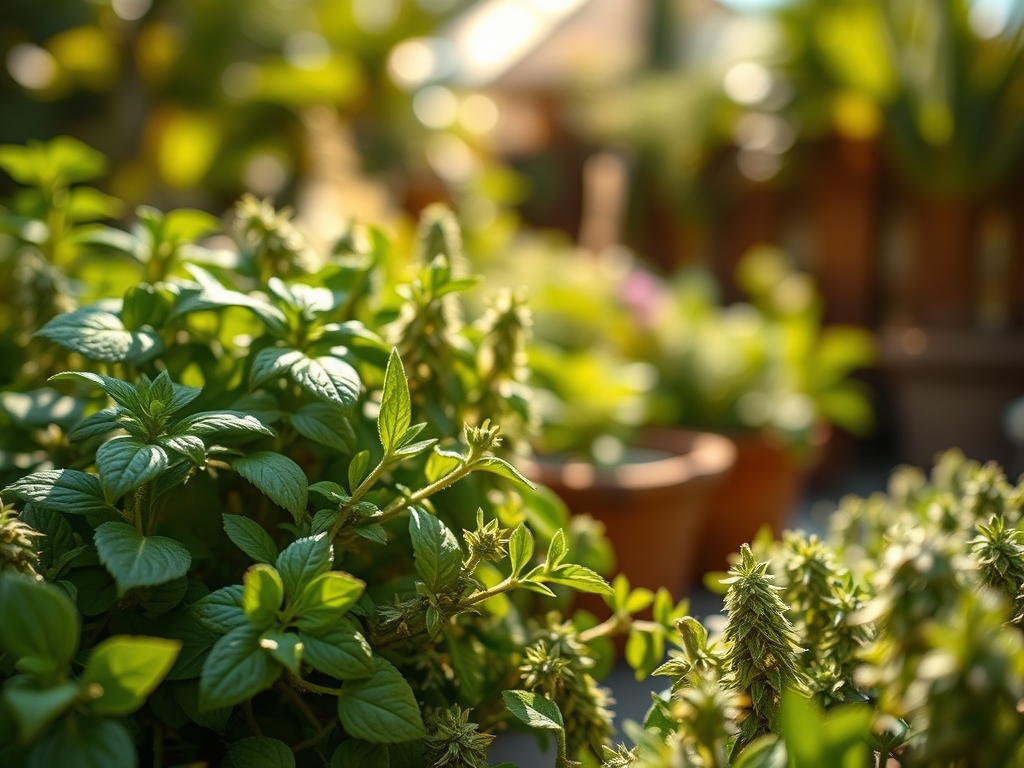
Crushing a leaf of Rosmarinus officinalis between your thumb and forefinger releases volatile oils that signal a plant in peak physiological health. The scent is the result of secondary metabolites produced under specific environmental stressors. Understanding how to design a herb courtyard requires a mastery of microclimates and soil chemistry. A successful courtyard is not a collection of pots; it is a managed ecosystem where turgor pressure remains high and the rhizosphere is teeming with beneficial microbial activity. You must account for the heat radiation from stone walls and the drainage capacity of your substrate to ensure high essential oil production.
Materials:
The foundation of a high-performance herb courtyard is a **friable loam** with a high **Cation Exchange Capacity (CEC)**. Most Mediterranean herbs, such as lavender and thyme, require a **pH between 6.5 and 7.5**. If your soil is acidic, incorporate dolomitic lime at a rate of **5 pounds per 100 square feet** to raise the pH.
For nutrient management, use a granular organic fertilizer with an NPK ratio of 5-10-5. High nitrogen (the first number) encourages rapid vegetative growth but often results in diluted flavor profiles because the plant allocates energy to leaf biomass rather than essential oil synthesis. Phosphorus and potassium support root development and cellular membrane integrity. Ensure your substrate contains at least 20 percent perlite or coarse horticultural grit to prevent anaerobic conditions in the root zone.
Timing:
Most perennial herbs thrive in Hardiness Zones 5 through 9. Timing your installation depends on the last frost date. For Zone 7, this typically occurs in mid-April. You must monitor the soil temperature; do not transplant until the substrate consistently reaches 60 degrees Fahrenheit (15.5 Celsius).
The biological clock of the plant dictates two primary phases: the vegetative stage and the reproductive stage. To maximize foliage production, you must intervene before the plant enters senescence or begins flowering. For annuals like Ocimum basilicum (basil), the transition to the reproductive stage is triggered by a photoperiod of long days. Monitoring these light cycles allows you to prune aggressively to delay seed production and maintain leaf quality.
Phases:
Sowing and Germination
Start seeds in a sterile medium to avoid damping-off caused by soil-borne pathogens. Maintain a consistent temperature of 70 degrees Fahrenheit. Use a heat mat to provide bottom heat, which accelerates metabolic rates in the embryo.
Pro-Tip: Utilize a light source to prevent etiolation (leggy growth). The biological why involves auxin suppression; when a seedling receives sufficient light, auxins are distributed evenly, preventing the plant from stretching toward a distant light source.
Transplanting
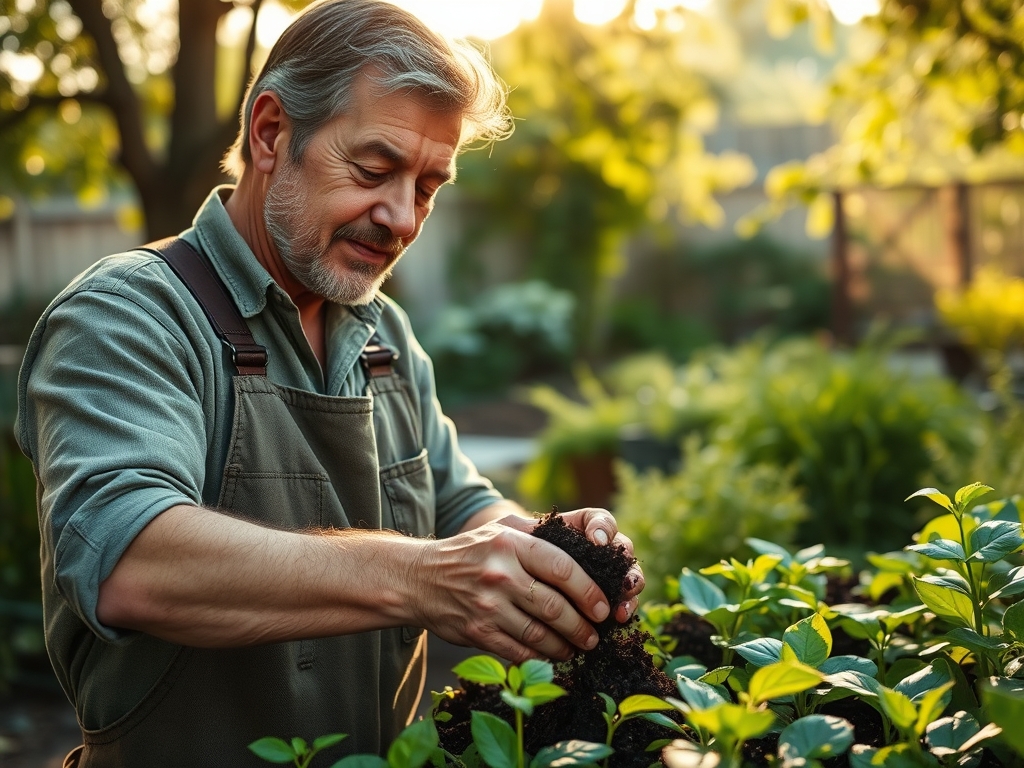
When the seedling develops its second set of true leaves, move it to the courtyard. Dig a hole twice the width of the root ball. Ensure the crown of the plant sits exactly at the soil line to prevent stem rot.
Pro-Tip: Inoculate the planting hole with mycorrhizal fungi. This creates a symbiotic relationship where the fungi extend the root system's reach, increasing the uptake of phosphorus and water in exchange for plant sugars.
Establishing the Microclimate
Position taller woody herbs like bay laurel on the windward side of the courtyard to create a windbreak. This reduces the transpiration rate of more delicate herbs like cilantro. Use stone pavers to act as a thermal mass, absorbing heat during the day and radiating it at night to stabilize temperatures.
Pro-Tip: Space plants based on their mature width to ensure adequate airflow. This prevents the buildup of humidity around the foliage, which reduces the risk of fungal pathogens like powdery mildew by maintaining leaf surface dryness.
The Clinic:
Physiological disorders often mimic disease but are usually the result of environmental stress or nutrient imbalances.
Symptom: Interveinal Chlorosis
Yellowing between the veins of young leaves while veins remain green.
Solution: This indicates an Iron (Fe) deficiency, often caused by high soil pH. Apply chelated iron or lower the pH with elemental sulfur.
Symptom: Leaf Tip Burn
Brown, crispy edges on new growth.
Solution: This is often a sign of Calcium (Ca) deficiency or inconsistent watering. Calcium is immobile in the plant; it moves only with the transpiration stream. Ensure consistent moisture to facilitate calcium transport.
Symptom: Purpling of Lower Leaves
Oldest leaves turn dark green or purple.
Solution: This indicates Phosphorus (P) deficiency. Check soil temperatures; if the soil is below 55 degrees Fahrenheit, the plant cannot effectively uptake phosphorus regardless of soil levels.
Fix-It for Nitrogen Chlorosis:
If the entire plant turns a pale lime green, apply a liquid seaweed or fish emulsion. These provide a rapid dose of bioavailable nitrogen to restore chlorophyll production.
Maintenance:
Precision is required for a productive courtyard. Apply 1.5 inches of water per week directly at the drip line. Avoid overhead irrigation to prevent foliar diseases. Use a soil moisture meter daily to check the top 3 inches of the substrate.
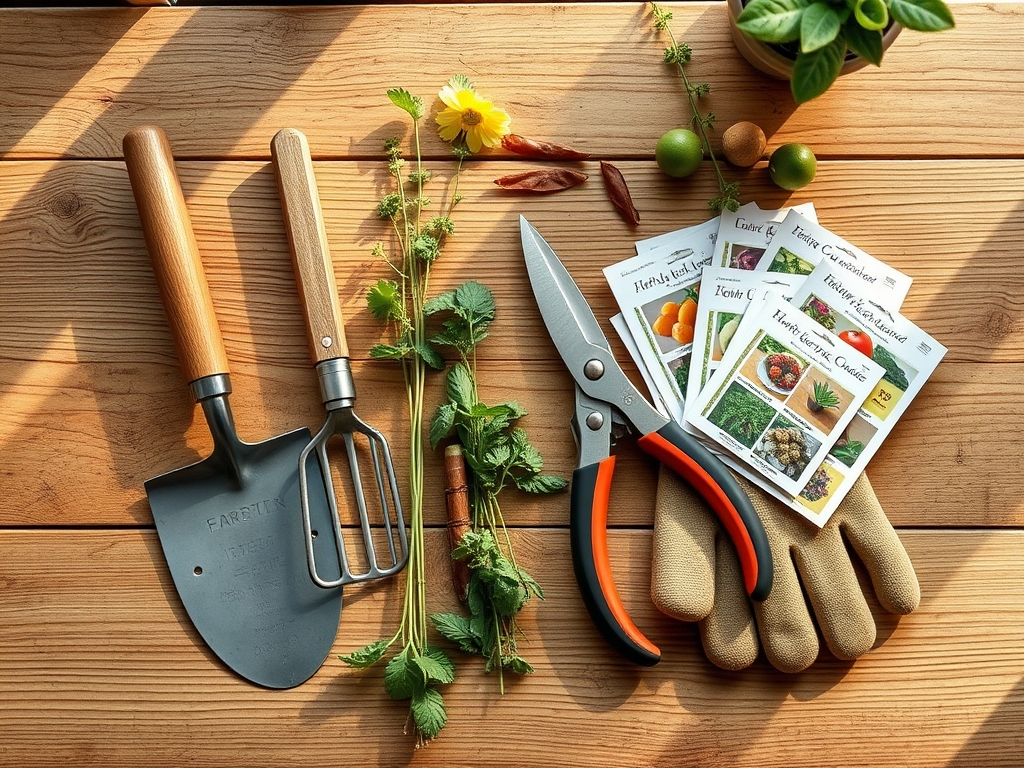
Keep a hori-hori knife sharpened for weeding and planting; its serrated edge is ideal for cutting through compacted root masses. Use bypass pruners for harvesting to ensure clean cuts that heal quickly. Avoid anvil pruners, which crush the vascular tissue (xylem and phloem), leading to localized necrosis. Every three months, top-dress the soil with one inch of finished compost to replenish organic matter and maintain soil structure.
The Yield:
Harvesting is a physiological intervention. For most herbs, the best time to harvest is in the morning after the dew has evaporated but before the sun reaches its zenith. This is when essential oil concentration is at its peak.
Use sharp shears to remove no more than one-third of the plant's biomass at a time. For woody perennials, never cut back into the old wood where there are no visible nodes, as this can prevent regrowth. After harvesting, place the stems immediately into a container of cool water to maintain turgor pressure. For long-term storage, bundle the herbs and hang them in a dark, well-ventilated area with a temperature between 60 and 70 degrees Fahrenheit to preserve the volatile aromatic compounds.
FAQ:
How much sun do courtyard herbs need?
Most culinary herbs require a minimum of six to eight hours of direct solar radiation daily. This light intensity is necessary for the synthesis of complex carbohydrates and the production of aromatic secondary metabolites.
Can I grow herbs in containers in a courtyard?
Yes, but you must use containers with a minimum volume of five gallons to prevent rapid fluctuations in root zone temperature and moisture levels. Ensure the pots have adequate drainage holes to prevent root asphyxiation.
Why are my herbs losing their flavor?
Flavor loss is usually caused by over-fertilization with nitrogen. Excessive nitrogen forces rapid cellular elongation, which dilutes the concentration of essential oils within the glandular trichomes on the leaf surface.
How do I prevent my herbs from becoming woody?
Regular harvesting and pruning stimulate lateral bud development. By removing the apical meristem (the growing tip), you disrupt apical dominance, forcing the plant to grow bushier rather than tall and leggy.
What is the best mulch for a herb courtyard?
Use pea gravel or inorganic grit for Mediterranean herbs. This reflects light back up into the canopy and prevents moisture from sitting against the crown, which significantly reduces the incidence of fungal root rot.