8 Breezy Ways How to Design a Coastal Yard
Salt spray desiccates the stomata of lesser plants; it creates a harsh environment where only the salt-tolerant survive. The air carries the scent of decaying kelp and mineral-rich brine. Success in this environment requires understanding how to design a coastal yard by managing high-sodium soil and unrelenting wind exposure. You must prioritize plants with thick cuticles and high turgor pressure to resist the osmotic stress of the shoreline. This is a technical challenge of balancing soil chemistry against atmospheric salinity.
Materials:
Coastal substrates are typically sandy with a low Cation Exchange Capacity (CEC); they struggle to retain cations like potassium (K+) and magnesium (Mg2+). You must build a friable loam by amending native sand with organic matter to increase the water-holding capacity. Aim for a soil pH between 6.0 and 7.5. If the pH exceeds 8.0, iron becomes insoluble; this leads to interveinal chlorosis.
For the establishment phase, use a slow-release fertilizer with an NPK ratio of 10-10-10 to provide a balanced baseline. For woody ornamentals, shift to a low-phosphorus 15-5-10 blend to prevent phosphorus toxicity in sensitive species. Incorporate 0.5 pounds of elemental sulfur per 100 square feet if you need to lower the pH of calcareous sands. Ensure the texture allows for rapid drainage; coastal plants often rot in anaerobic, waterlogged conditions.
Timing:
Coastal gardening revolves around Hardiness Zones 8 through 11, where the maritime influence moderates temperature extremes. The biological clock of your yard is dictated by the transition from vegetative growth to reproductive senescence. Plan your installation for late autumn or early spring when the soil temperature is between 55 and 65 degrees Fahrenheit.
Avoid planting during the peak of summer heat. High evapotranspiration rates will overwhelm the root system before it establishes a connection with the rhizosphere. Monitor the photoperiod; many coastal grasses require long-day conditions to initiate flowering. Your primary frost-date window is often negligible in coastal zones, but you must account for the "Salt Burn Season" during high-wind winter storms.
Phases:
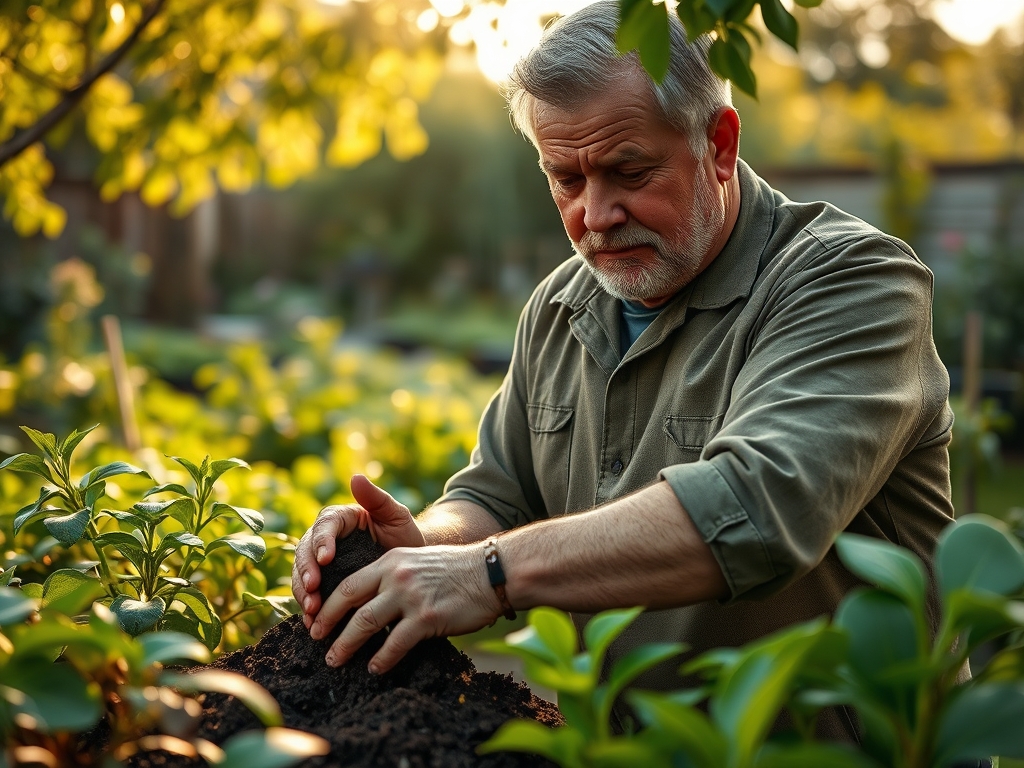
Sowing
When sowing salt-tolerant turf or groundcovers, ensure seed-to-soil contact by lightly raking the area. Maintain a consistent moisture level for 14 to 21 days.
Pro-Tip: Use a seaweed-based inoculant to introduce beneficial microbes. The Biological Why is that mycorrhizal symbiosis enhances the plant's ability to uptake water and phosphorus in nutrient-poor, sandy soils by extending the effective surface area of the root system.
Transplanting
Dig a hole twice as wide as the root ball but no deeper. Ensure the crown sits exactly at the soil line to prevent stem rot. Backfill with a 50/50 mix of native soil and compost.
Pro-Tip: Prune approximately 10 percent of the outer foliage during transplanting. The Biological Why is to reduce the transpiration demand on the root system while it recovers from transplant shock; this maintains high turgor pressure in the remaining tissues.
Establishing
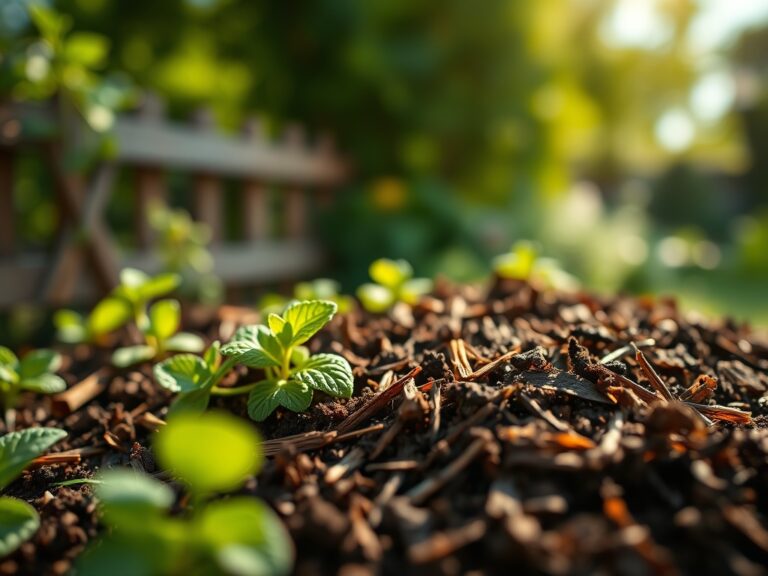
During the first 90 days, irrigation is critical. Use a drip system to deliver water directly to the root zone. Apply a 3-inch layer of wood chip mulch to suppress weeds and regulate soil temperature.
Pro-Tip: Avoid heavy nitrogen applications during the first month. The Biological Why is to prevent auxin suppression; excess nitrogen can favor rapid leaf growth at the expense of the robust root development needed to anchor the plant against coastal gales.
The Clinic:
Coastal yards face unique physiological disorders. Identify these symptoms early to prevent systemic failure.
- Symptom: Marginal leaf burn (necrosis on the edges of older leaves).
- Solution: This is typically salt toxicity. Flush the soil with 2 inches of fresh water to leach accumulated sodium ions below the root zone.
- Symptom: Interveinal chlorosis (yellowing between green veins).
- Solution: This indicates an iron or magnesium deficiency, often caused by high pH. Apply chelated iron as a foliar spray for immediate uptake.
- Symptom: Stunted growth and purple-tinted foliage.
- Solution: Phosphorus deficiency. Check soil temperature; if it is below 50 degrees Fahrenheit, phosphorus uptake is biologically inhibited regardless of soil concentration.
Fix-It for Nitrogen Chlorosis: If the entire leaf turns pale green or yellow, apply a liquid 20-0-0 fertilizer at half-strength. Nitrogen is highly mobile in sandy soils and leaches quickly after heavy rain.
Maintenance:
Precision is the hallmark of a master horticulturist. Deliver 1.5 inches of water per week at the drip line; do not use overhead sprinklers as salt-laden water on the foliage increases the risk of fungal pathogens. Use a soil moisture meter to verify that the root zone is damp at a depth of 6 inches.
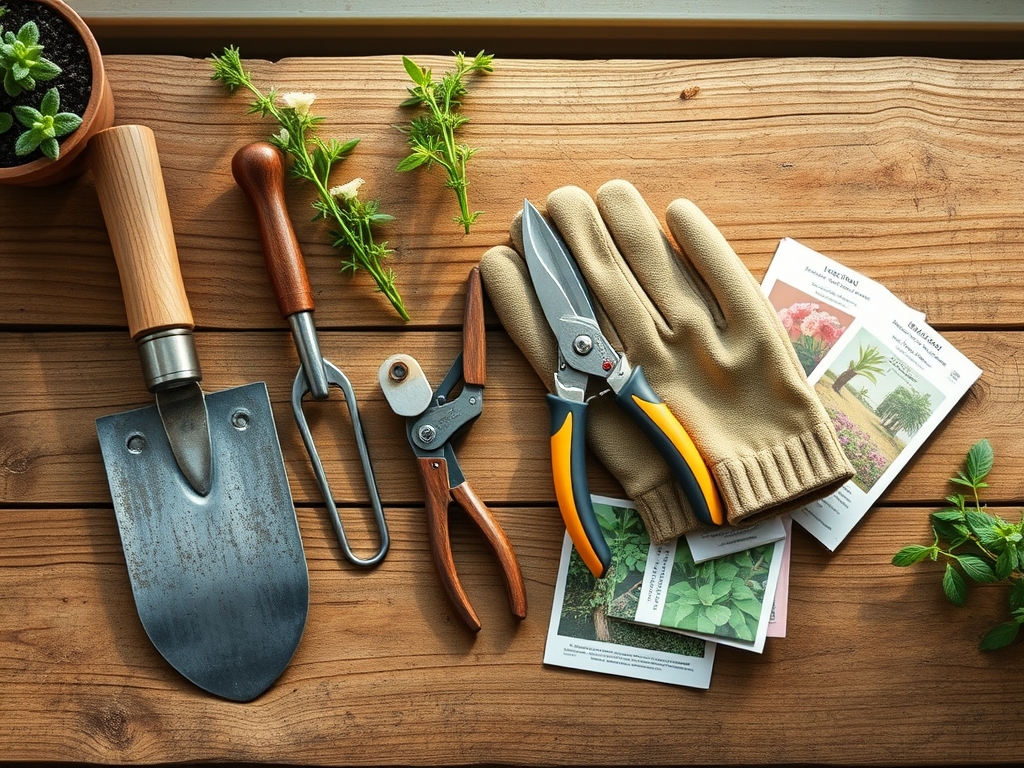
Keep your bypass pruners sharp and sterilized with isopropyl alcohol to prevent the spread of disease. Use a hori-hori knife for deep-rooted weed extraction to ensure the entire taproot is removed. In late winter, prune dead wood to improve airflow; this reduces the humidity within the canopy that favors powdery mildew. Monitor the mulch layer; replenish it annually to maintain the organic matter levels required for a healthy CEC.
The Yield:
If your coastal yard includes edible halophytes like sea kale or salt-tolerant herbs like rosemary, harvest during the morning hours. This is when the plant has maximum turgor and peak essential oil concentration. Use sharp snips to make clean cuts at a 45-degree angle above a node.
For "day-one" freshness, immediately plunge harvested greens into an ice-water bath for 10 minutes. This process, known as hydro-cooling, removes field heat and slows down the metabolic rate of the plant. Store the yield in a high-humidity environment at 34 to 40 degrees Fahrenheit to prevent wilting and preserve the cellular structure.
FAQ:
How do I stop salt spray from killing my plants?
Select species with waxy or hairy leaves that physically block salt entry. Install a windbreak using salt-tolerant evergreens. Rinse foliage with fresh water after major storm events to remove accumulated salt crusts from the leaf surfaces.
What is the best fertilizer for sandy coastal soil?
Use a slow-release, granular fertilizer with a high organic content. Sandy soils have a low Cation Exchange Capacity; therefore, liquid fertilizers leach too quickly. Look for products containing sulfur-coated urea to provide a steady nitrogen supply over 8 to 12 weeks.
Can I use beach sand to level my yard?
No. Beach sand contains high levels of sodium chloride and calcium carbonate which will spike soil pH and kill non-halophytic plants. Always use washed, horticultural-grade sharp sand if you need to improve drainage or level a lawn area.
Why are my coastal shrubs turning brown on one side?
This is likely "salt burn" or wind desiccation. The windward side loses moisture faster than the roots can replace it. Increase irrigation during windy periods and consider a temporary burlap screen to protect young plants until they establish a thicker cuticle.
How often should I test my coastal soil?
Test your soil every 12 to 24 months. Coastal environments are dynamic; salt deposition and rapid leaching in sandy substrates can shift pH and nutrient levels significantly within a single growing season. Use a professional lab for accurate CEC data.