5 Magical Ways How to Design a Secret Garden
The scent of decomposing organic matter and the distinct metallic tang of wet stone signal a functional ecosystem. Achieving this sensory immersion requires understanding how to design a secret garden through the lens of site-specific microclimates and soil physics. A successful enclosure relies on maintaining high turgor pressure in structural hedges while manipulating light filtration to create a sense of isolation. This process demands a rigorous analysis of solar aspect and hydrological flow to ensure the botanical sanctuary remains self-sustaining and biologically sequestered from the surrounding landscape.
Materials:
The foundation of a secluded space is the rhizosphere. You must establish a friable loam with a Cation Exchange Capacity (CEC) between 15 and 25 meq/100g. This ensures the soil can retain and exchange essential cations like Calcium (Ca2+) and Magnesium (Mg2+).
- Substrate Composition: Aim for a ratio of 40 percent sand, 40 percent silt, and 20 percent clay. This balance prevents compaction and maintains oxygen levels in the root zone.
- Soil pH: Maintain a range of 6.2 to 6.8 for general ornamentals. Acid-loving species like Camellia or Gardenia require a pH of 5.0 to 5.5 to prevent iron chlorosis.
- Nutrient Ratios:
- Vegetative Establishment: Use a 10-10-10 NPK balanced fertilizer to support initial biomass.
- Structural Hedges: Apply a high-nitrogen 20-10-10 blend to stimulate rapid vertical growth.
- Flowering Accents: Transition to a 5-10-10 ratio to prioritize phosphorus for bud development over foliage.
Timing:
Successful implementation depends on the USDA Hardiness Zone and local frost dates. In Zones 6 through 8, the primary planting window opens when soil temperatures consistently reach 55 degrees Fahrenheit.
The biological clock of your garden is governed by the photoperiod. Short-day plants will begin their reproductive cycle as nights lengthen in late summer. You must synchronize transplanting with the transition from the vegetative stage to the reproductive stage. For woody perennials, late autumn planting is optimal; this allows for root system expansion while the canopy is in senescence, reducing the metabolic demand on the plant during establishment.
Phases:
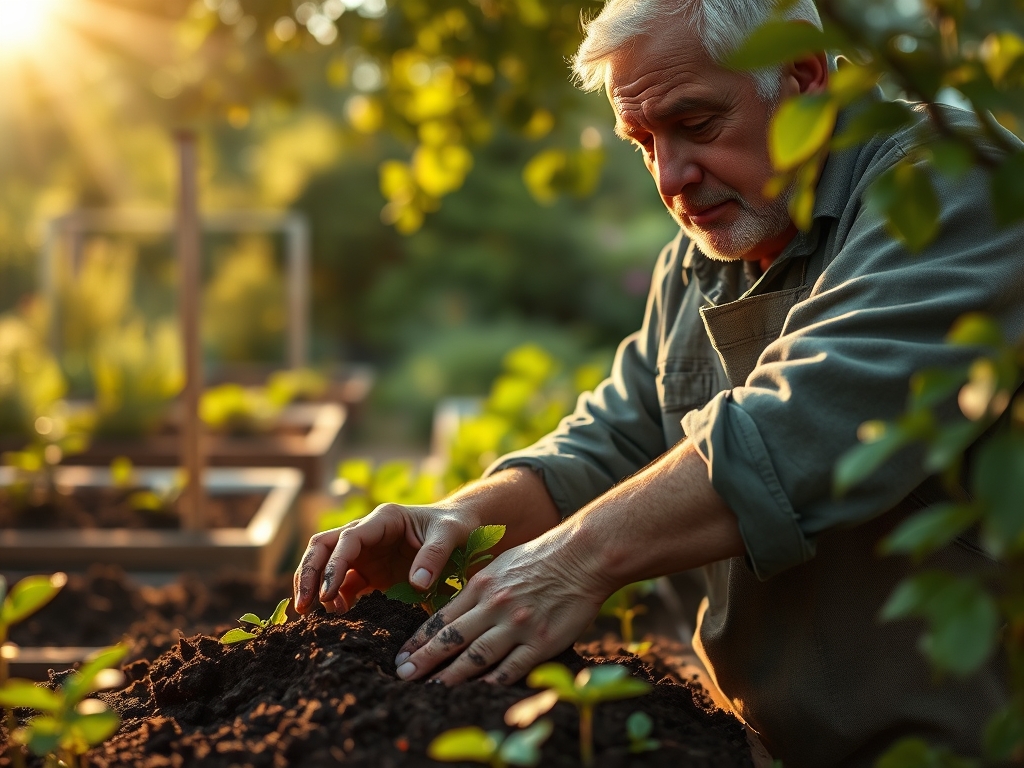
Sowing and Stratification
Many "secret" garden staples, such as Digitalis or Aquilegia, require cold stratification. Place seeds in a medium of damp vermiculite at 34 to 40 degrees Fahrenheit for 60 days before sowing. This breaks physiological dormancy by mimicking winter conditions.
Pro-Tip: Use a heat mat to maintain a constant 70 degrees Fahrenheit during germination. Biological Why: Consistent basal heat triggers the enzyme activity necessary to convert stored starches into energy, accelerating the emergence of the radicle.
Transplanting and Spatial Geometry
When placing structural elements like Taxus baccata (Yew) for screening, space them at 36-inch intervals. Dig holes twice the width of the root ball but no deeper than the original container. Ensure the root flare remains visible at the soil surface to prevent stem girdle.
Pro-Tip: Inoculate the planting hole with endomycorrhizal fungi. Biological Why: This establishes a symbiotic relationship where the fungi extend the root system's reach, increasing the surface area for phosphorus absorption and water uptake through hyphal networks.
Establishing the Microclimate
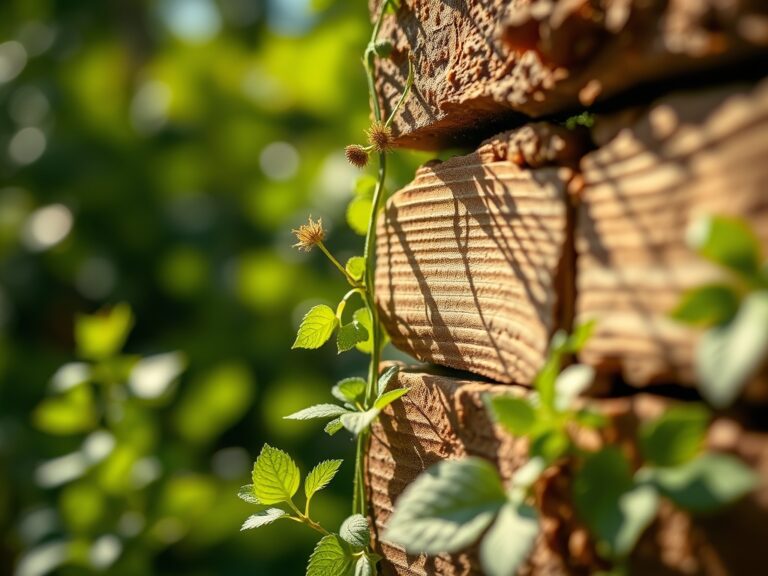
To create the "secret" effect, utilize vertical layering. Use climbing vines like Hydrangea anomala subsp. petiolaris on stone walls. These plants utilize adventitious roots to cling to surfaces. Monitor the vapor pressure deficit (VPD) within the enclosure; a closed space can trap humidity, increasing the risk of fungal pathogens.
Pro-Tip: Prune the lead terminal of screening shrubs to encourage lateral branching. Biological Why: This disrupts auxin suppression at the apical meristem, allowing cytokinin to stimulate the growth of axillary buds, resulting in a denser, more opaque privacy screen.
The Clinic:
Physiological disorders often mimic infectious diseases. Accurate diagnosis requires a systematic check of environmental variables.
- Symptom: Interveinal chlorosis on new growth (yellow leaves with green veins).
- Solution: This indicates an Iron (Fe) deficiency, often caused by a pH above 7.0. Apply chelated iron and lower the pH using elemental sulfur.
- Symptom: Leaf tip burn or marginal necrosis.
- Solution: This usually stems from Salt Toxicity or drought stress. Flush the soil with 3 inches of water to leach accumulated salts from synthetic fertilizers.
- Symptom: Blossom end rot in fruiting ornamentals.
- Solution: This is a Calcium (Ca) deficiency often caused by inconsistent moisture levels rather than a lack of soil calcium. Maintain a consistent irrigation schedule to ensure calcium transport via the transpiration stream.
The Fix-It Box: For general Nitrogen deficiency (stunted growth and pale lower leaves), apply a foliar spray of liquid seaweed or urea for immediate uptake through the stomata.
Maintenance:
Precision maintenance is the difference between a thriving sanctuary and a declining plot. Use a soil moisture meter daily to ensure the root zone remains at 60 to 80 percent field capacity.
- Irrigation: Deliver 1.5 inches of water per week at the drip line. Avoid overhead watering to prevent leaf wetness, which facilitates Botrytis cinerea.
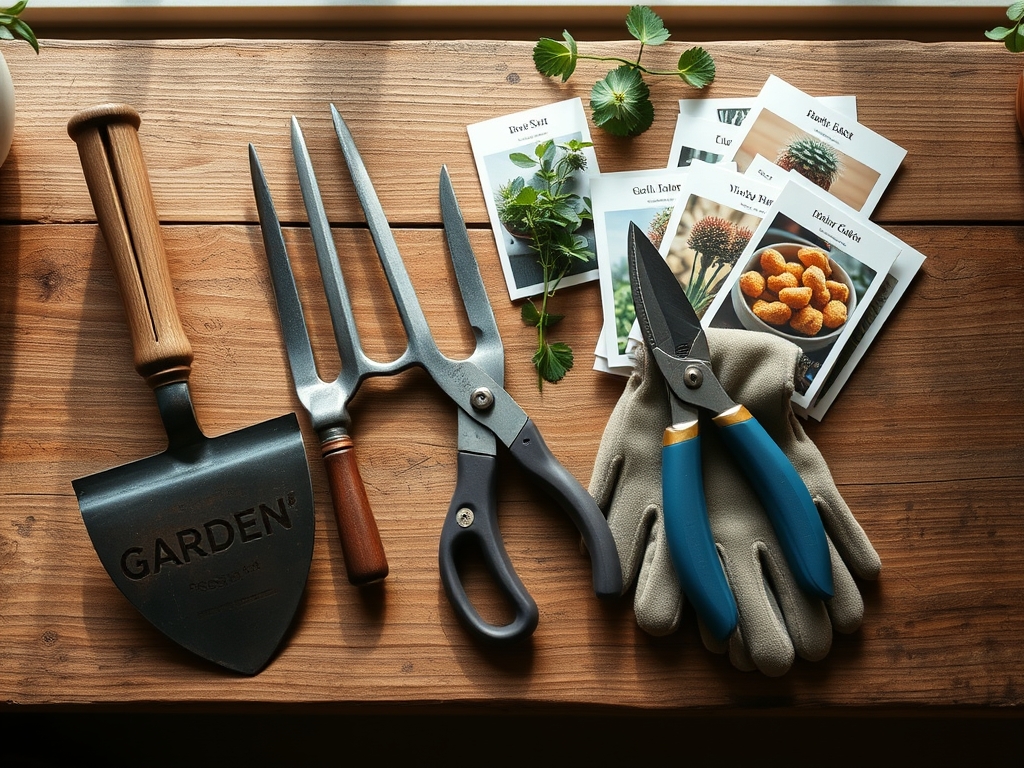
- Pruning: Use bypass pruners for clean cuts on living tissue. For thicker branches, use a hori-hori knife to saw through fibrous roots or a pruning saw for limbs over 1 inch in diameter.
- Mulching: Apply 3 inches of arborist wood chips. This suppresses weed germination and regulates soil temperature fluctuations. Keep mulch 4 inches away from the trunk to prevent crown rot.
The Yield:
If your secret garden includes cut flowers like Paeonia (Peonies), harvest at the "marshmallow stage" when the bud is soft but not fully open.
- Timing: Cut in the early morning when turgor pressure is at its peak.
- Technique: Use a sterilized blade to make a 45-degree angle cut. This increases the surface area for water conduction through the xylem.
- Post-Harvest: Immediately plunge stems into 110-degree Fahrenheit water with a pH of 3.5 to 4.5. This acidic environment improves water flow and prevents vascular blockage. Store in a cool area at 38 degrees Fahrenheit to slow the rate of respiration and senescence.
FAQ:
How do I start a secret garden in a small space?
Focus on verticality. Use trellises and fast-growing climbers like Clematis. Use high-density planting and layered heights to create depth. Maintain a soil pH of 6.5 and ensure adequate drainage to prevent root hypoxia in confined areas.
What are the best plants for a hidden garden?
Select plants with dense foliage for screening. Taxus, Buxus, and Ilex provide year-round opacity. Incorporate shade-tolerant species like Hosta or Heuchera for the lower canopy where light levels may drop below 500 foot-candles.
How do I maintain privacy in a secret garden?
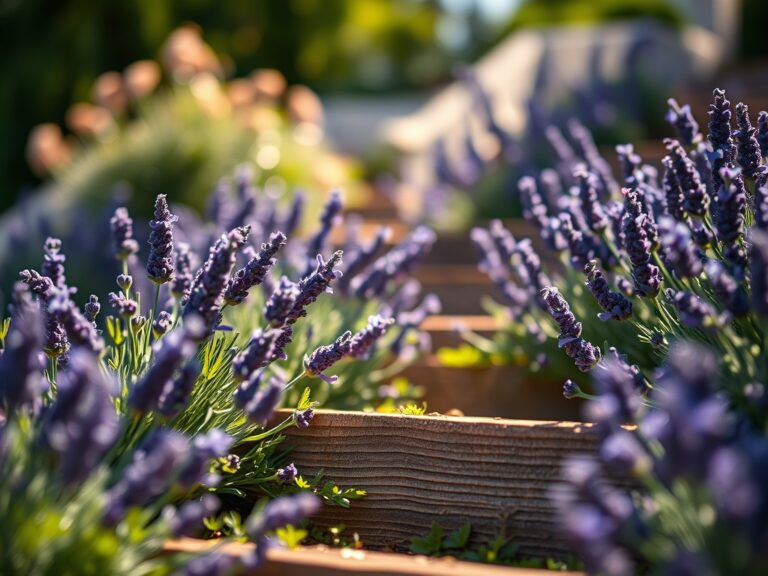
Utilize "stepped" planting. Place 6-foot evergreen shrubs at the perimeter. Add a secondary layer of 3-foot perennials. This creates a visual barrier and acts as a windbreak, stabilizing the internal microclimate and reducing moisture loss from evapotranspiration.
How much sunlight does a secret garden need?
Most structural plants require at least 6 hours of direct solar radiation. If the site is heavily shaded, select "obligate shade" plants. Measure light using a PAR meter; aim for 200-400 micromoles for shade species to ensure efficient photosynthesis.