10 Best Cilantro Indoor Growing Tips
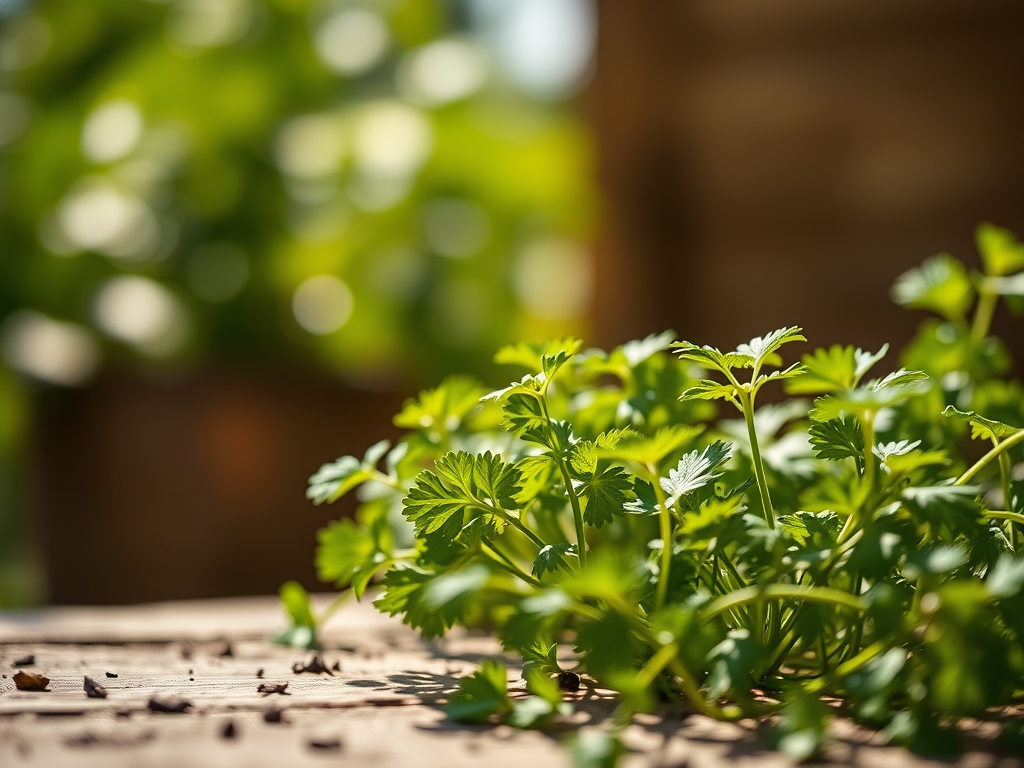
Crushing a fresh leaf of Coriandrum sativum releases a sharp, aldehydic scent that signals high turgor pressure and a healthy metabolic state. Indoors, this herb demands precision. Success depends on managing the plant's rapid life cycle and preventing premature senescence. To master the best cilantro indoor growing tips, a grower must regulate light intensity and soil temperature to mimic a cool spring environment. Without these controls, the plant bolts, shifting energy from leaf production to seed formation within weeks.
Cultivating cilantro in a controlled environment requires a deep understanding of the rhizosphere. This plant possesses a sensitive taproot that reacts poorly to overcrowding or high soil temperatures. Maintaining a consistent thermal profile between 60 and 70 degrees Fahrenheit is essential for sustained vegetative growth. Higher temperatures trigger a hormonal shift, causing the plant to prioritize reproductive structures over the culinary foliage desired by the gardener. This guide provides the technical framework to sustain a productive indoor harvest through rigorous substrate management and environmental tuning.
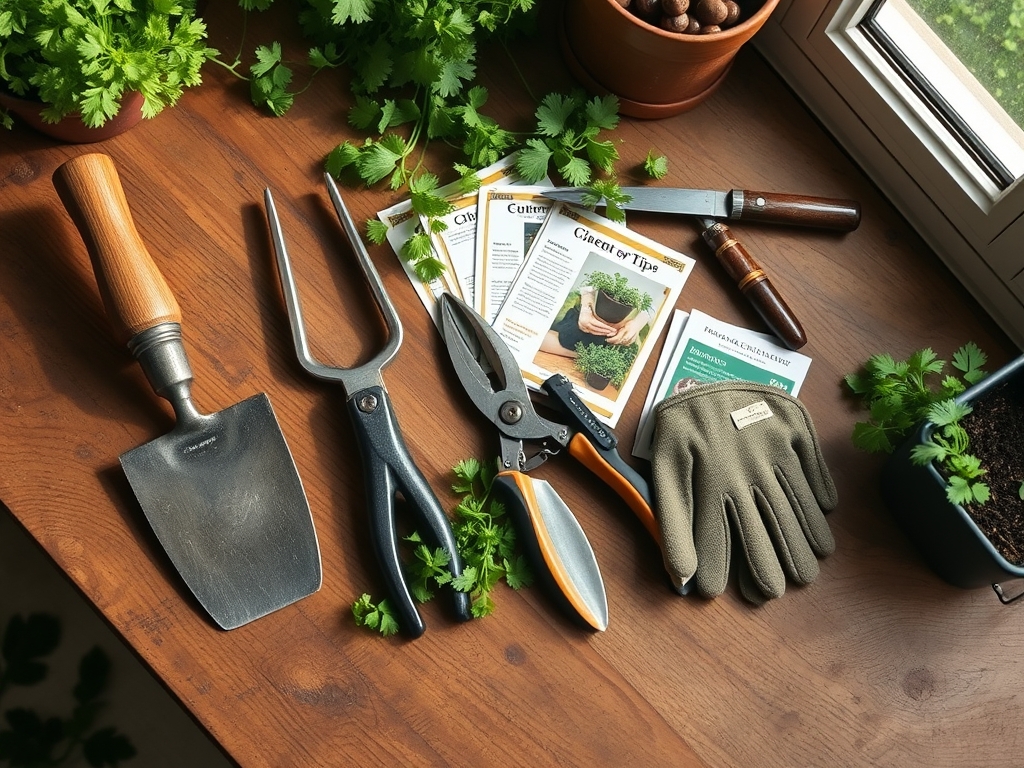
Materials:
The ideal substrate for indoor cilantro is a **friable loam** with high porosity to ensure oxygen reaches the root zone. A professional mix should consist of **60 percent peat moss or coconut coir, 30 percent perlite, and 10 percent vermiculite**. This composition ensures a high Cation Exchange Capacity (CEC), allowing the plant to efficiently access mobile nutrients.
The target soil pH must fall between 6.2 and 6.7. If the pH climbs above 7.0, micronutrients like iron and manganese become chemically locked, leading to interveinal chlorosis. For fertilization, use a water-soluble formula with an NPK ratio of 3-1-2. Cilantro requires higher nitrogen levels to support leafy biomass, but excessive phosphorus can inadvertently encourage early flowering. Ensure your containers are at least 8 to 10 inches deep to accommodate the vertical expansion of the taproot. Shallow pots restrict root development and induce stress, which is a primary trigger for bolting.
Timing:
While indoor growing bypasses traditional Hardiness Zone restrictions, the plant still responds to external barometric shifts and light cycles. In Zones 3 through 7, indoor sowing should occur every 21 days to ensure a continuous supply. Cilantro is a short-lived annual with a biological clock set to roughly 45 to 70 days from germination to seed set.
The transition from the vegetative stage to the reproductive stage is governed by the photoperiod and ambient heat. Once the plant detects a "long day" signal of more than 12 hours of light combined with temperatures exceeding 75 degrees Fahrenheit, it will begin to produce fine, feathery leaves. This morphological change indicates the onset of bolting. To delay this, indoor growers should utilize LED grow lights set to a 10-hour cycle to simulate the shorter days of early spring.
Phases:
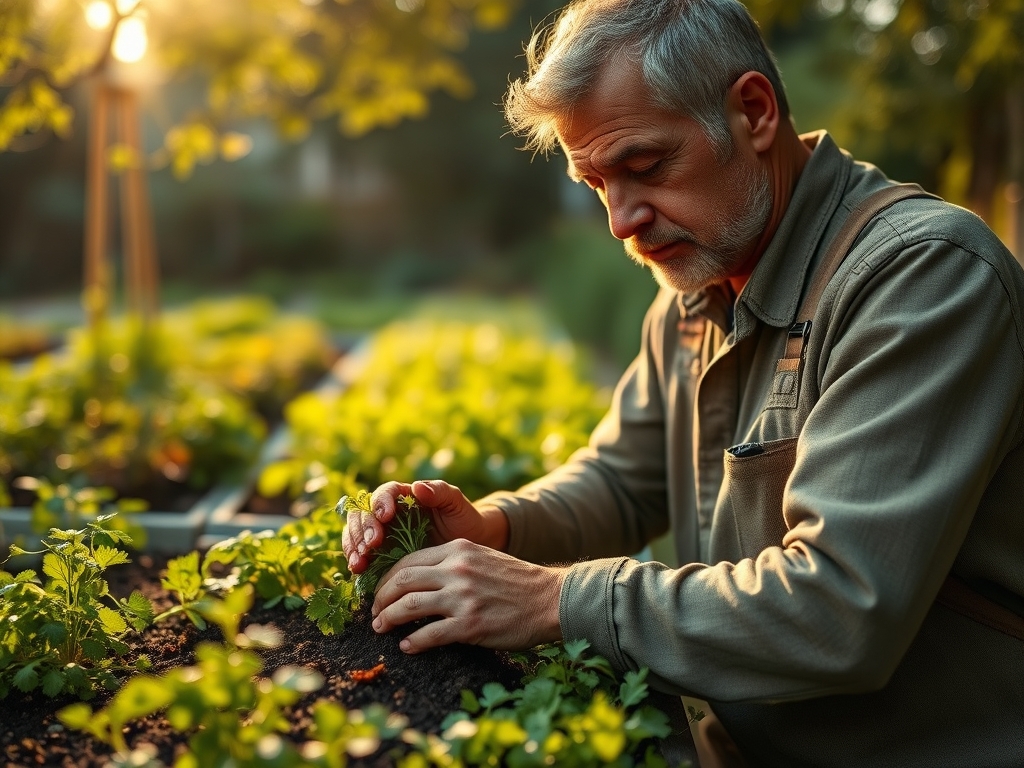
Sowing
Sow seeds at a depth of 0.25 inches. Cilantro "seeds" are actually husks containing two individual fruits. For maximum density, sow 5 to 8 seeds per pot. Maintain a consistent soil temperature of 65 degrees Fahrenheit for germination, which typically occurs within 7 to 10 days.
Pro-Tip: Gently crack the seed husks before planting to improve imbibition. This physical scarification allows water to penetrate the embryo faster, accelerating the germination rate and ensuring a more uniform stand.
Transplanting
Cilantro is notoriously sensitive to root disturbance. If you must transplant, do so when the first set of true leaves appears. Use biodegradable peat or paper pots to avoid touching the root ball. Disrupting the taproot sends a stress signal to the plant, often resulting in immediate bolting.
Pro-Tip: Apply a seaweed-based kelp solution during transplanting to reduce "transplant shock." The cytokinins in the kelp promote cell division and help the plant re-establish its hydraulic connection with the new substrate.
Establishing
Once the plant reaches 3 inches in height, thin the seedlings to ensure adequate airflow. High humidity at the soil surface can lead to "damping off," a fungal condition caused by Pythium or Rhizoctonia species. Ensure the light source is positioned 6 to 12 inches above the canopy to prevent leggy growth.
Pro-Tip: Use a small oscillating fan to create a gentle breeze. This mechanical stress strengthens the stems through a process called thigmomorphogenesis, which increases the production of structural lignin and improves overall plant stability.
The Clinic:
Physiological disorders in cilantro often stem from environmental imbalances rather than pathogens.
- Symptom: Yellowing of lower leaves (Chlorosis).
- Solution: This typically indicates a Nitrogen deficiency. Apply a high-nitrogen liquid fertilizer at half strength. Ensure the soil is not waterlogged, as anaerobic conditions prevent nitrogen uptake.
- Symptom: Purple or reddish tint on stems and leaves.
- Solution: This suggests a Phosphorus deficiency, often caused by soil temperatures dropping below 55 degrees Fahrenheit. Increase the ambient temperature to improve phosphorus mobility.
- Symptom: Tip burn or necrotic leaf edges.
- Solution: This is often a sign of Calcium localized deficiency due to low transpiration. Increase airflow and ensure consistent watering to facilitate the movement of calcium through the xylem.
- Symptom: Rapid vertical stretching with sparse foliage.
- Solution: Insufficient light intensity. Increase the PPFD (Photosynthetic Photon Flux Density) by lowering your grow lights or increasing the wattage.
Maintenance:
Precision irrigation is the cornerstone of cilantro health. Use a soil moisture meter to ensure the substrate remains "moist but not saturated." Aim for the equivalent of 1.5 inches of water per week, delivered directly to the soil surface to avoid wetting the foliage. Wet leaves in an indoor environment are prime targets for powdery mildew.
For pruning, use bypass pruners to remove any individual stems that show signs of thickening or "ribbing," as these are the precursors to flower stalks. If you notice the plant leaning toward the light, rotate the pot 90 degrees every two days to counteract phototropism. Clean your tools with a 70 percent isopropyl alcohol solution between uses to prevent the cross-contamination of soil-borne pathogens.
The Yield:
Harvesting can begin once the plant is 6 inches tall. Use a sharp hori-hori knife or kitchen shears to cut the outermost leaves first, leaving the inner growing point intact. This "cut and come again" method extends the harvest window. Never remove more than 30 percent of the total leaf mass at one time; doing so can trigger a survival response that leads to flowering.
To maintain "day-one" freshness, harvest in the early morning when the plant's turgor pressure is at its peak. Immediately place the cut stems in a glass of cold water or wrap them in a damp paper towel and refrigerate. If the plant begins to bolt despite your best efforts, allow it to flower. The resulting green seeds, or coriander, offer a different flavor profile and can be harvested once they turn brown and dry.
FAQ:
How much light does indoor cilantro need?
Cilantro requires 6 to 8 hours of bright, indirect sunlight or 10 to 12 hours of supplemental LED grow lights. Maintain a PPFD level of approximately 300-400 micromoles for optimal vegetative growth without triggering heat-induced bolting.
Why is my cilantro wilting even with wet soil?
This is likely root rot caused by overwatering or poor drainage. Excess water displaces oxygen in the rhizosphere, leading to root death. Use a soil moisture meter and ensure your container has multiple drainage holes to prevent anaerobic conditions.
What is the best temperature for indoor cilantro?
The ideal temperature range is 60 to 70 degrees Fahrenheit. Cilantro is a cool-season herb; temperatures consistently above 75 degrees signal the plant to stop leaf production and begin the reproductive cycle, resulting in bitter foliage and bolting.
Can I grow cilantro from grocery store seeds?
Yes, as long as they are whole coriander seeds and have not been heat-treated. However, culinary seeds are not tested for germination rates or pathogens. For predictable results, use certified organic seeds specifically bred for leaf production and bolt resistance.
How do I stop my cilantro from bolting?
Bolting is inevitable, but you can delay it by keeping the roots cool, providing consistent moisture, and harvesting frequently. Use a nitrogen-rich fertilizer and avoid high-intensity heat. Once the leaves become fine and feathery, the bolting process has begun.