8 Vital Steps to Garden Journal Logs
The first entry in a garden journal transforms scattered observations into a reliable record of what thrives and what fails. Learning the proper steps to garden journal logs means converting seasonal guesswork into documented patterns that compound across years. Each notation becomes a data point that informs soil amendments, planting schedules, and varietal selections for future seasons.
A well-maintained journal tracks pH drift, flowering phenology, pest emergence windows, and microclimatic quirks specific to your site. The accumulated records reveal correlations invisible during single growing seasons. These steps to garden journal logs establish a baseline for measuring year-over-year improvement.
Materials
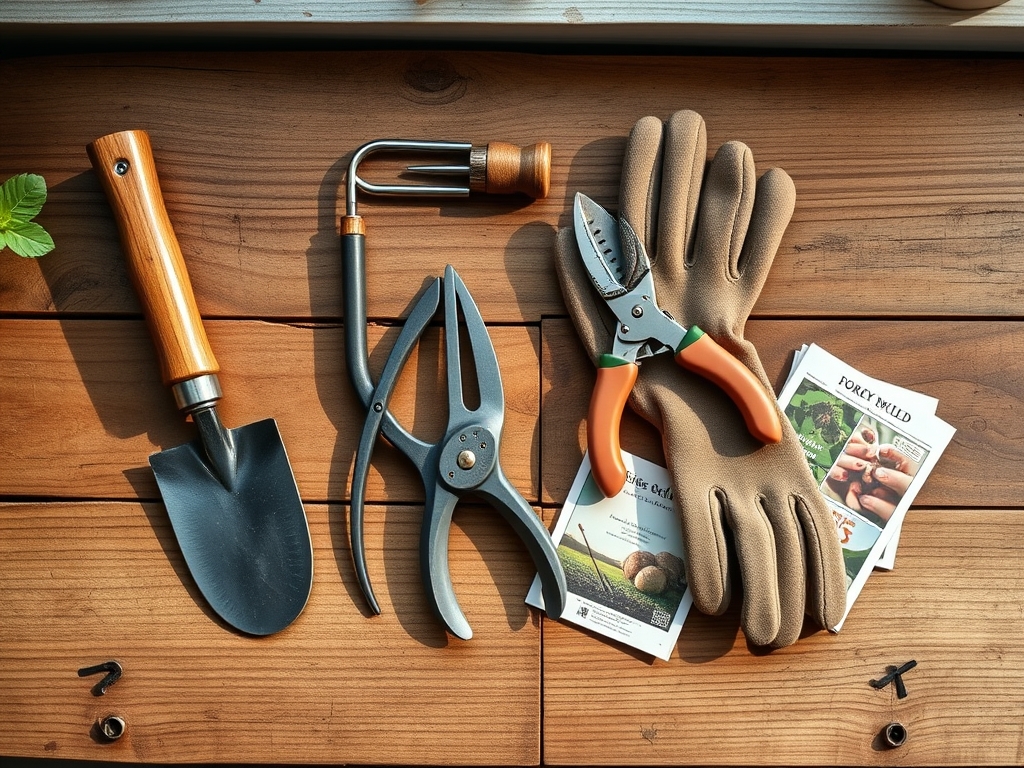
Select a bound journal with acid-free paper rated for outdoor use. Waterproof field notebooks with 80-pound stock resist humidity better than standard composition books. Pair this with a mechanical pencil rated HB or 2B for weather-resistant notation.
For soil documentation, maintain a separate pH meter calibrated quarterly with buffer solutions at 4.0, 7.0, and 10.0. Store calibration certificates and replacement electrode dates in the journal's front pocket. Record baseline soil tests showing current NPK values. A typical vegetable garden beginning with depleted soil might read 12 ppm nitrogen, 8 ppm phosphorus, and 65 ppm potassium. Document amendments precisely: "applied 2 pounds per 100 square feet of 4-4-4 feather meal blend" rather than "added fertilizer."
Include a metric tape measure, digital thermometer with soil probe, and Munsell soil color chart for standardizing observations. Attach a small envelope for seed packets and plant tags as physical references.
Timing
Begin journal entries two weeks before the last expected frost date for your hardiness zone. For Zone 5b gardeners, this falls between April 15 and May 1. Record the actual last frost date each spring to refine future schedules.
Initiate baseline entries during dormant seasons. January and February offer time to map existing perennial locations, sketch bed dimensions, and record previous years' yields from memory or receipts. Note winter low temperatures and snowfall depths, as these affect soil moisture reserves and overwintering pest populations.
Update entries weekly during active growing months, daily during critical windows such as transplanting or pest outbreak periods. Autumn entries should document first frost, harvest totals by weight and variety, and seed-saving activities.
Phases

Sowing Phase
Record seed source, lot number, and germination rate from packet. Note sowing depth to the quarter-inch and soil temperature at two-inch depth. For brassicas, document soil temp of 45-50 degrees Fahrenheit at sowing. Track days to emergence for each crop. A carrot entry might read: "Danvers 126, Lot 2847, sowed March 28 at 1/4 inch depth, soil 48 degrees F, emergence April 9, 12 days."
Pro-Tip: Inoculate legume seeds with Rhizobium bacteria specific to your crop species. Record inoculant strain and application rate in grams per pound of seed.
Transplanting Phase
Document transplant date, seedling age in true-leaf count, and root-ball condition. Note hardening-off duration and final spacing to the inch. Record auxin distribution by documenting whether transplants received rooting hormone and at what concentration. A tomato entry: "Cherokee Purple, transplanted May 15, six true leaves, roots filled 2-inch cell, spaced 24 inches, 500 ppm IBA root dip."
Pro-Tip: Measure transplant shock by recording days until new apical growth resumes. Typical recovery spans three to seven days depending on root disturbance and mycorrhizal colonization.
Establishing Phase
Track cation exchange capacity changes through monthly soil tests during the first season in new beds. Record mulch type and depth: "applied 3 inches aged oak leaf mulch, C:N ratio 50:1." Document irrigation frequency and volume in gallons per square foot.
Pro-Tip: Prune indeterminate tomatoes to a 45-degree angle one-quarter inch above the axillary bud to promote wound closure and redirect auxin flow.
Troubleshooting
Symptom: Interveinal chlorosis on new growth with leaf margins cupping upward.
Solution: Iron deficiency induced by high pH. Drench with chelated iron at 2 ounces per gallon. Retest soil pH and adjust toward 6.2 using elemental sulfur at rates determined by cation exchange capacity.
Symptom: Blossom end rot appearing as leathery brown patches on fruit distal ends.
Solution: Calcium translocation failure from inconsistent moisture. Maintain soil moisture at 60-70% field capacity. Apply calcium nitrate foliar spray at 1 tablespoon per gallon weekly for three applications.
Symptom: White powdery coating on upper leaf surfaces, starting with older leaves.
Solution: Powdery mildew fungal infection. Remove affected leaves. Spray potassium bicarbonate solution (1 tablespoon per gallon) weekly. Improve air circulation to reduce humidity below 70%.
Symptom: Seedlings toppling at soil line with water-soaked stems.
Solution: Damping-off from Pythium or Rhizoctonia. Improve drainage. Apply beneficial Trichoderma harzianum at 1 gram per gallon as soil drench.
Maintenance
Irrigate established plantings with 1 inch of water per week, delivered in two deep sessions rather than daily surface wetting. Measure output with rain gauges placed at bed level.
Side-dress heavy feeders every 21 days with 1/4 cup of 5-5-5 granular organic blend per plant, scratched into the top 2 inches of soil 6 inches from stems. Record application dates and rates.
Scout for pests twice weekly, documenting species, life stage, and population density per leaf or per plant. Threshold for action on Colorado potato beetles: five adults per plant or twenty larvae per five plants.
Prune diseased or crossing branches immediately. Record pruning dates and disposal methods to track disease recurrence patterns.
FAQ
How often should I write in my garden journal?
Weekly entries during the growing season capture sufficient detail. Daily notes during transplanting, pest outbreaks, or harvest peaks prevent memory gaps.
What measurements matter most?
Soil temperature, pH, days to harvest, and yield weight by variety provide the highest long-term value for planning decisions.
Should I track weather data?
Yes. Record daily high and low temperatures, precipitation, and extreme events. These correlate directly with plant performance and pest emergence.
How do I organize multiple growing areas?
Assign each bed or zone a permanent identifier. Use consistent naming conventions like "Bed A-1" across all entries and sketch maps.
What if I miss several weeks of entries?
Resume immediately with current observations. Retroactive guessing degrades data quality. Mark gaps clearly to avoid false confidence in incomplete records.