6 Easy Ways to Join Seed Swaps
The scent of sun-warmed heirloom tomato foliage carries genetic stories across neighborhood fences. Gardeners who learn how to join seed swaps gain access to regionally adapted varieties that no catalog can match. These informal exchanges preserve plant diversity while building resilient local food systems through shared genetic material and accumulated growing knowledge.
Materials
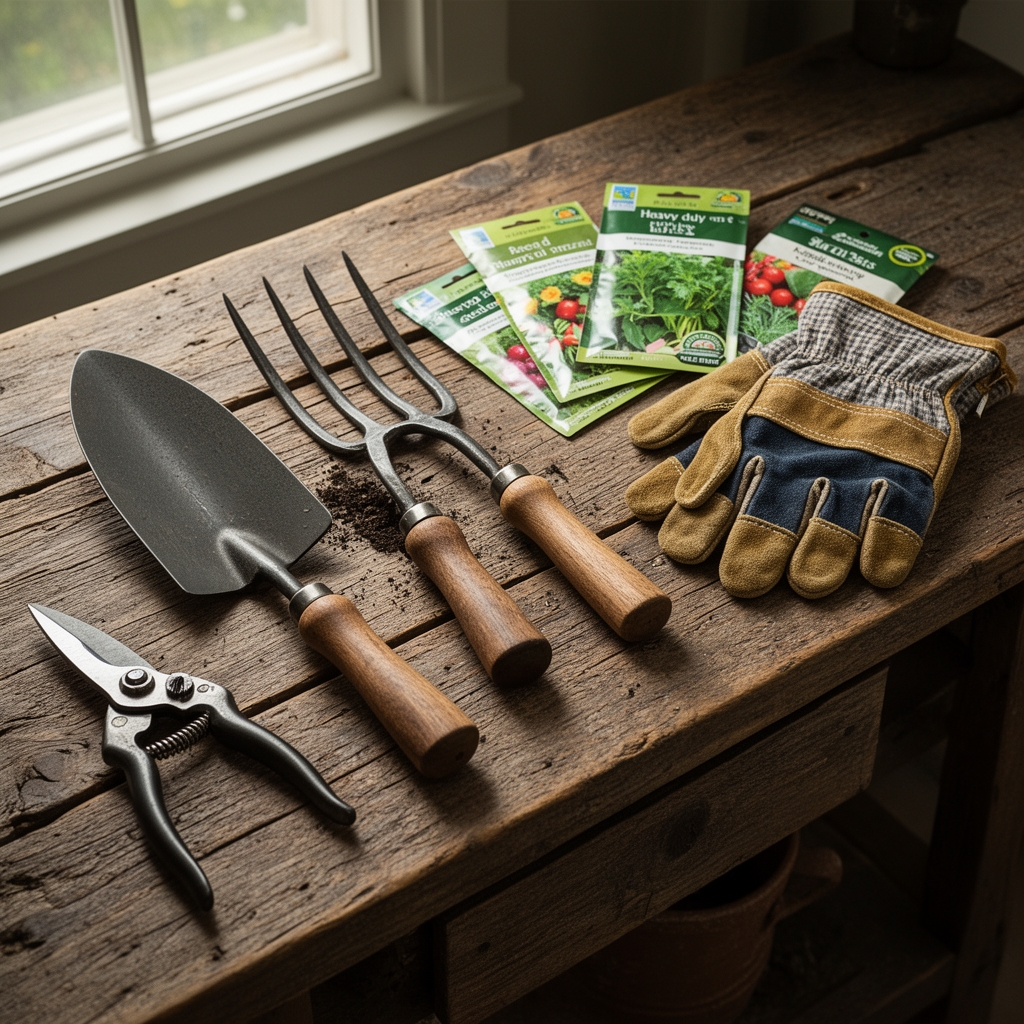
Seed swaps require minimal equipment but benefit from organized presentation systems. Obtain coin envelopes (2.25 x 3.5 inches) for individual seed packets, permanent archival ink pens rated for UV resistance, and small glass vials with cork stoppers for moisture-sensitive varieties. Label each packet with botanical name, harvest year, and specific growing conditions including soil pH where the parent plant thrived.
Prepare a portable three-ring binder containing variety descriptions, soil amendments used (specify NPK ratios such as 4-4-4 organic alfalfa meal or 5-10-5 bone meal blend), and germination rates from personal trials. Include cation exchange capacity measurements if available, particularly for heavy-feeding crops like brassicas and nightshades. Successful swappers document parent plant performance in defined soil conditions rather than vague descriptions. Digital luggage scales accurate to 0.1 grams ensure fair exchanges when trading by weight rather than seed count.
Timing
Seed swap attendance follows regional agricultural calendars tied to USDA Hardiness Zones. In Zones 3-5, winter swaps occur January through February, providing 8-12 weeks before last frost dates for indoor germination. Zones 6-8 host primary exchanges in late December through mid-February, aligning with the 6-10 week window for transplant production.
Fall swaps scheduled for September through October suit biennial seed collection and cool-season crop planning. These autumn events work particularly well for sharing overwintered storage crops and garlic cultivars requiring vernalization periods of 6-8 weeks below 40°F. Southern gardeners in Zones 9-11 benefit from November swaps preceding winter growing seasons when soil temperatures drop to optimal ranges of 50-65°F for germinating brassicas and alliums.
Phases

Locating and Joining Existing Swaps
Search public library bulletin boards, county extension office calendars, and municipal parks department event listings for established seed exchanges. Contact regional chapters of Seed Savers Exchange, which maintains 13,000 members across North America preserving 20,000 heirloom varieties. University botanical gardens often host annual swaps with expert identification assistance for unusual varieties.
Pro-Tip: Arrive 30 minutes early to premium swaps. Rare varieties with documented provenance disappear within the first exchange rounds.
Starting a Neighborhood Swap
Reserve free community spaces like library meeting rooms, fire station common areas, or faith community fellowship halls. Set a date 10-12 weeks before regional last frost, distributing flyers within a two-mile radius to ensure participants share similar microclimates. Establish a simple exchange protocol: each participant brings 5-10 varieties with minimum quantities of 20 seeds per packet.
Create station tables organized by plant family (Solanaceae, Cucurbitaceae, Fabaceae, Brassicaceae) to streamline browsing and facilitate disease history discussions. Provide ballpoint pens and index cards for impromptu variety descriptions. Encourage participants to note auxin distribution patterns in determinate versus indeterminate tomato growth habits, helping novice growers select appropriate varieties.
Pro-Tip: Designate a quarantine table for seeds of unknown origin. Require 48-hour cold stratification tests to verify viability before exchange.
Online and Mail-Based Exchanges
Digital platforms like SeedLinked.com and regional Facebook groups enable year-round trading across climate zones. Photograph seeds with millimeter rulers for scale verification and color accuracy. Ship in padded envelopes with silica gel packets maintaining 5-8% seed moisture content during transit.
Pro-Tip: Request soil test results from trading partners when exchanging varieties selected for specific mineral availability, particularly phosphorus-dependent legumes requiring mycorrhizal fungi colonization.
Troubleshooting
Symptom: Received seeds fail germination tests at rates below 40%.
Solution: Perform tetrazolium chloride viability staining on sample seeds. Soak bisected seeds in 1% solution for 6-24 hours. Viable embryos stain red. Document results and contact seed source with photographic evidence.
Symptom: Swapped variety exhibits unexpected phenotype variation exceeding normal range.
Solution: Probable cross-pollination in parent generation. Cucumber family crops require 800-foot isolation distances. Brassicas cross within species at distances under 1,200 feet. Grow out suspected crosses for two additional generations, selecting toward desired traits while documenting segregation ratios.
Symptom: Traded seeds carry visible fungal contamination or unusual spotting.
Solution: Hot water treatment at 122°F for 25 minutes eliminates most seedborne pathogens without destroying viability in large-seeded crops. Small seeds like carrots tolerate only 15 minutes. Air-dry treated seeds for 72 hours before storage.
Maintenance
Attend swaps annually to maintain trading relationships and access new introductions. Store acquired seeds in glass jars with oxygen absorber packets at 40°F and 30% relative humidity. Test germination rates every 18 months for short-lived varieties (parsnips, onions) and every 36 months for long-lived species (tomatoes, brassicas).
Contribute 1-2 newly trialed varieties to each swap attended. Grow test plots of swapped seeds in controlled conditions: identical soil blocks amended to pH 6.5, uniform irrigation of 1 inch per week, and standardized spacing of 18 inches for determinate growth habits. Record days to germination, first true leaf emergence, flowering initiation, and harvest maturity as quantifiable data for future exchanges.
FAQ
What quantity of seeds should I bring to a swap?
Bring 20-30 seeds per packet for large seeds (beans, squash), 50-100 for medium seeds (tomatoes, peppers), and 200-300 for fine seeds (lettuce, herbs). This ensures multiple growers can trial each variety across different soil conditions.
Can I swap F1 hybrid seeds?
F1 hybrids are accepted but must be clearly labeled. Second-generation seeds exhibit Mendelian segregation with unpredictable trait combinations. Some swappers specifically seek F2 populations for selection projects.
How do I verify seed identity at swaps?
Request photos of parent plants at multiple growth stages. Compare leaf morphology, flower structure, and mature fruit characteristics against reference databases like GRIN-Global maintained by USDA Agricultural Research Service.
Should I share seeds from diseased plants?
Never exchange seeds from plants exhibiting viral symptoms (mosaic patterns, ring spots, leaf distortion). Bacterial and fungal pathogens can be eliminated through hot water treatment, but viral particles persist within seed coats and embryonic tissue.
What information makes seed packets most valuable?
Include days to maturity, parent plant yield data in pounds, soil amendments applied with specific NPK ratios, pest resistance observations, and flavor profiles measured on Brix refractometer scales for fruits.