8 Serene Ways How to Design a Woodland Path
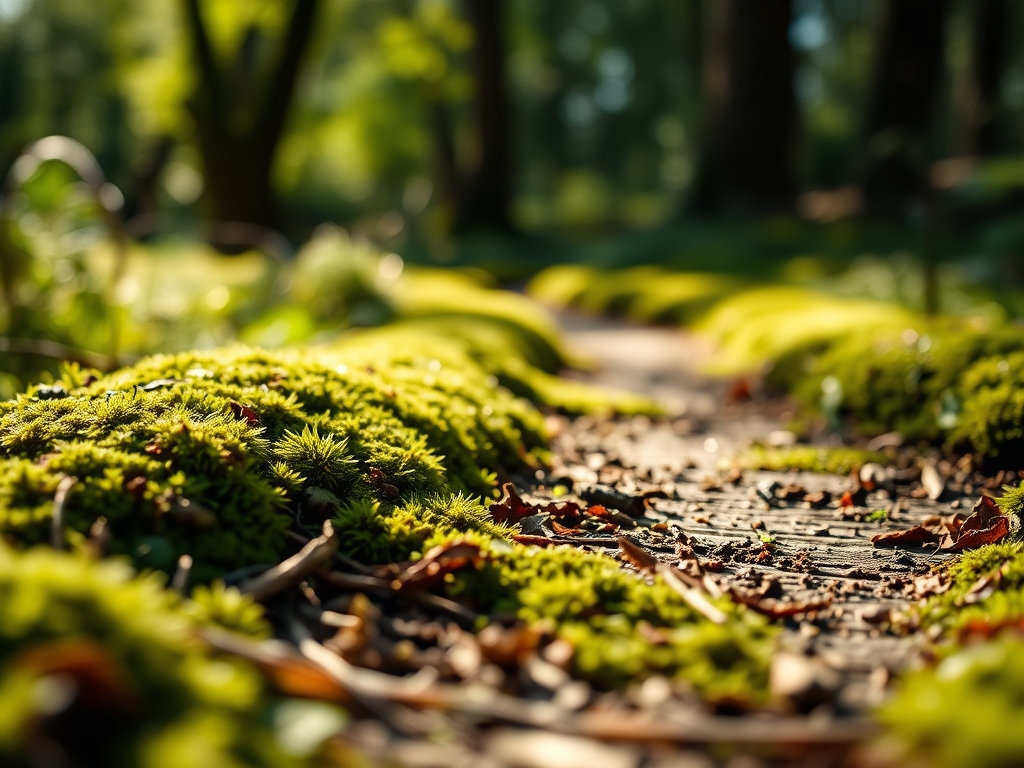
Damp earth releases geosmin as the heavy canopy traps humidity; this creates the specific microclimate required for a successful forest understory. Understanding how to design a woodland path requires more than aesthetic placement. It demands a technical grasp of soil compaction, light filtration, and the hydrology of the forest floor. A functional path manages foot traffic while preserving the delicate rhizosphere of surrounding trees. Every step must account for the turgor pressure of groundcover and the integrity of the fungal networks beneath the duff layer. Success is measured by the stability of the substrate and the health of the adjacent flora.
Materials:
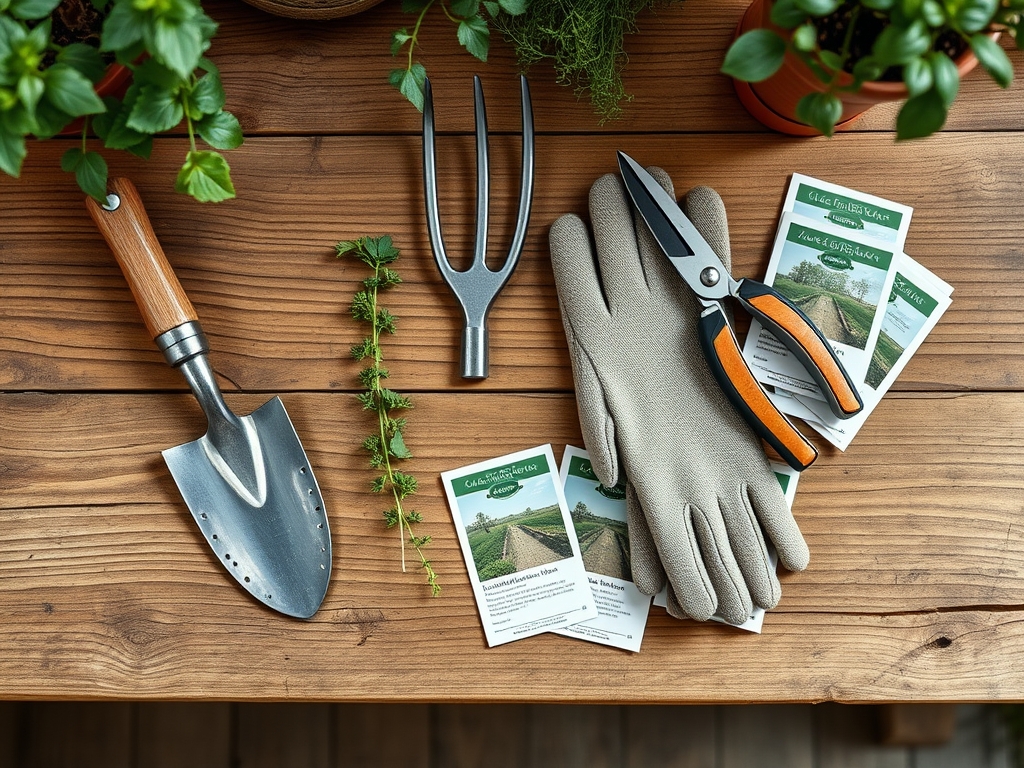
The ideal substrate for a woodland path is a **friable loam** with a high percentage of organic matter. For the path itself, use materials that allow for gas exchange in the soil below. Avoid non-porous materials that cause anaerobic conditions.
The surrounding soil should maintain a pH between 5.5 and 6.5. Most woodland species, such as Polystichum munitum (Western Sword Fern), thrive in these slightly acidic conditions. When preparing the planting pockets along the path, integrate a balanced, slow-release organic fertilizer with an NPK ratio of 5-10-5. High phosphorus levels encourage strong root establishment without forcing excessive soft vegetative growth that is susceptible to early frost damage.
Monitor the Cation Exchange Capacity (CEC) of your soil. A CEC of 15 to 25 milliequivalents per 100 grams (meq/100g) ensures the soil can hold essential nutrients like potassium and magnesium against leaching from heavy forest rainfall. If the soil is sandy and has a low CEC, incorporate leaf mold to increase the surface area for nutrient bonding.
Timing:
Path construction and planting should occur during the dormant season to minimize stress on the root systems of established trees. In Hardiness Zones 4 through 8, the optimal window is late autumn or early spring, specifically when soil temperatures are between 40 and 50 degrees Fahrenheit.
The biological clock of woodland perennials is governed by the photoperiod. Planting during the transition from the reproductive stage (flowering/seeding) to the senescence stage (dormancy) allows the plant to allocate energy toward root regeneration rather than foliage production. Ensure all heavy excavation is completed at least four weeks before the first hard frost to allow the soil to settle and prevent frost heaving from damaging newly installed borders.
Phases:
Sowing and Site Preparation
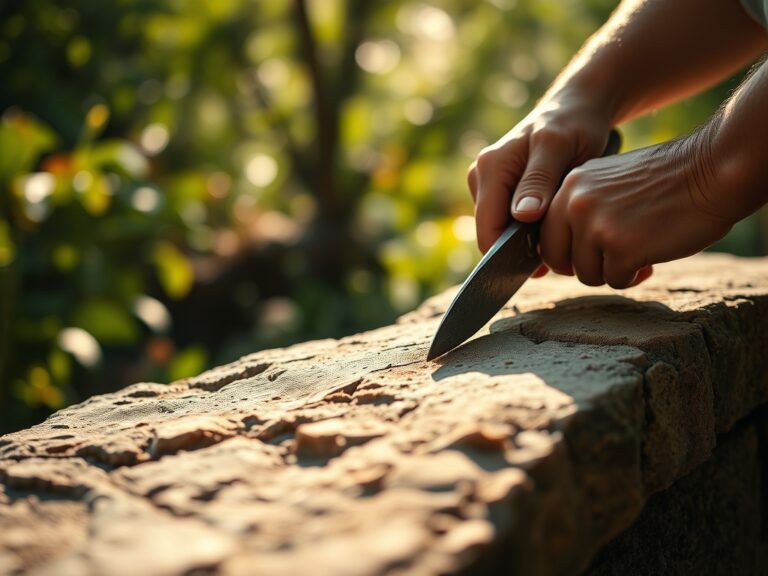
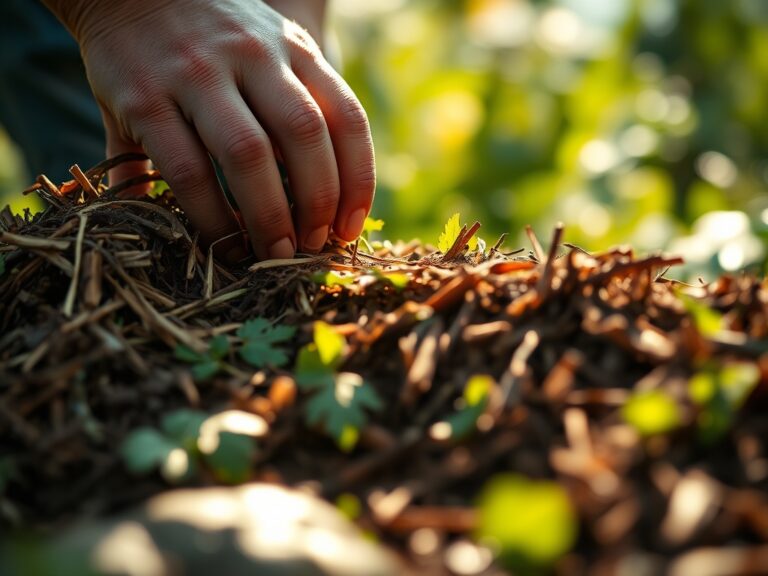
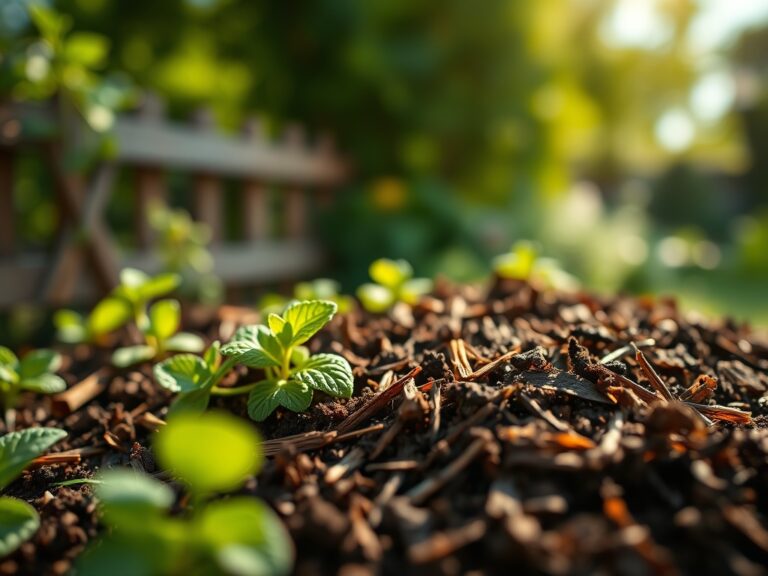
Clear the path of invasive species using a hori-hori knife to remove taproots. Do not use heavy machinery; it causes soil compaction that destroys the macropores necessary for oxygen transport. Lay a base of 2 to 3 inches of arborist wood chips. This organic mulch mimics the natural forest floor and gradually breaks down into humus.
Pro-Tip: Maintain the existing mycorrhizal symbiosis by leaving the native leaf litter undisturbed outside the immediate 36-inch path width. These fungal networks increase the surface area of roots by up to 1,000 percent, significantly improving water uptake for path-side plantings.
Transplanting
When placing edge plants like Hosta or Heuchera, dig holes twice the width of the root ball. Ensure the crown sits exactly at the soil line. Deep planting leads to crown rot; shallow planting causes desiccation. Space plants based on their mature diameter to ensure adequate airflow, which prevents fungal pathogens like Botrytis.
Pro-Tip: Avoid auxin suppression by not pruning the terminal buds of young shrubs during the first season. Auxins produced in the tips travel downward to stimulate root growth; removing them can stunt the establishment of the plant's foundation.
Establishing
Water the path edges immediately after planting to eliminate air pockets. The goal is to reach a soil moisture tension of -10 to -30 centibars. Use a soil moisture meter to verify that the water has penetrated at least 6 inches deep.
Pro-Tip: Be aware of phototropism. As the canopy fills in during late spring, plants will naturally lean toward light gaps. Design the path to follow these natural light wells to ensure plants grow upright and maintain structural integrity.
The Clinic:
Physiological disorders in a woodland setting often stem from light or moisture imbalances.
-
Symptom: Interveinal chlorosis (yellowing between leaf veins) on new growth.
-
Solution: This indicates an Iron deficiency, often caused by a pH above 7.0. Apply chelated iron and lower the pH using elemental sulfur.
-
Symptom: Leaf scorch or marginal necrosis on broadleaf evergreens.
-
Solution: This is often a result of high transpiration rates during dry winds. Increase mulch depth to 4 inches to conserve rhizosphere moisture.
-
Symptom: Stunted growth and purple tinting on the underside of leaves.
-
Solution: This is a classic Phosphorus deficiency. The "Fix-It" is to apply bone meal or a high-phosphate fertilizer to the root zone when soil temperatures exceed 55 degrees Fahrenheit.
Maintenance:
Precision is required to maintain the health of a woodland path. Provide 1.5 inches of water per week at the drip line of the surrounding trees during dry spells. Use bypass pruners to remove dead or diseased wood (the "three Ds": dead, damaged, diseased) to prevent the spread of pathogens.
Check the path for compaction every six months. If the surface becomes impenetrable, use a broadfork to gently aerate the soil without overturning the horizons. Maintain a clear edge using a manual edger to prevent rhizomatous grasses from encroaching into the woodland mulch.
The Yield:
If your woodland path includes edible species like Vaccinium ovatum (Evergreen Huckleberry) or Allium tricoccum (Ramps), harvest timing is critical. Harvest Ramps when the leaves are fully expanded but before the plant enters the reproductive flowering stage. Use a hori-hori knife to take only one leaf per plant to ensure the bulb has enough energy for next year's cycle. For berries, harvest when the fruit detaches with zero resistance. This indicates peak sugar concentration and cellular maturity. Store harvested greens in a humid environment at 34 to 38 degrees Fahrenheit to maintain day-one freshness and prevent wilting from water loss.
FAQ:
What is the best material for a woodland path?
Arborist wood chips or shredded bark are superior. They are porous, allowing for gas exchange and water infiltration. These materials also support the mycorrhizal fungi essential for the health of the surrounding forest canopy and understory.
How wide should a woodland path be?
A width of 36 to 48 inches allows two people to walk comfortably. This width also prevents "edge creep," where foot traffic gradually compacts the root zones of plants growing along the margins of the walkway.
How do I stop weeds on a woodland path?
Maintain a 3-inch layer of organic mulch and use a landscape fabric only if the area is prone to aggressive rhizomatous weeds. Manual removal with a hori-hori knife ensures you do not disrupt the soil's delicate microbial balance.
When should I prune plants along the path?
Prune in late winter or early spring before the sap begins to flow. This timing allows the plant to seal wounds quickly during the spring growth surge, reducing the risk of infection from airborne fungal spores.