8 Vital Steps to Collect Lettuce Seeds
Lettuce seed collection transforms a single packet of heirloom varieties into decades of genetic continuity. The steps to collect lettuce seeds begin when bolting stems stretch skyward in late spring, triggered by photoperiods exceeding 14 hours and soil temperatures surpassing 75°F. Within six weeks, those yellow disc flowers mature into feathery achenes carrying viable embryos. Each seed head holds 50 to 150 seeds, enough to sow a quarter-acre plot. The process demands attention to flower morphology, desiccation timing, and storage atmospheric conditions.
Materials
Successful seed collection requires neutral to slightly alkaline soil, pH 6.2 to 7.0, to support robust flowering stems. Before bolting begins, side-dress plants with a 4-4-4 organic meal blend at 2 tablespoons per square foot to fuel seed production. Phosphorus drives reproductive development; potassium strengthens cell walls in the developing achene coat.
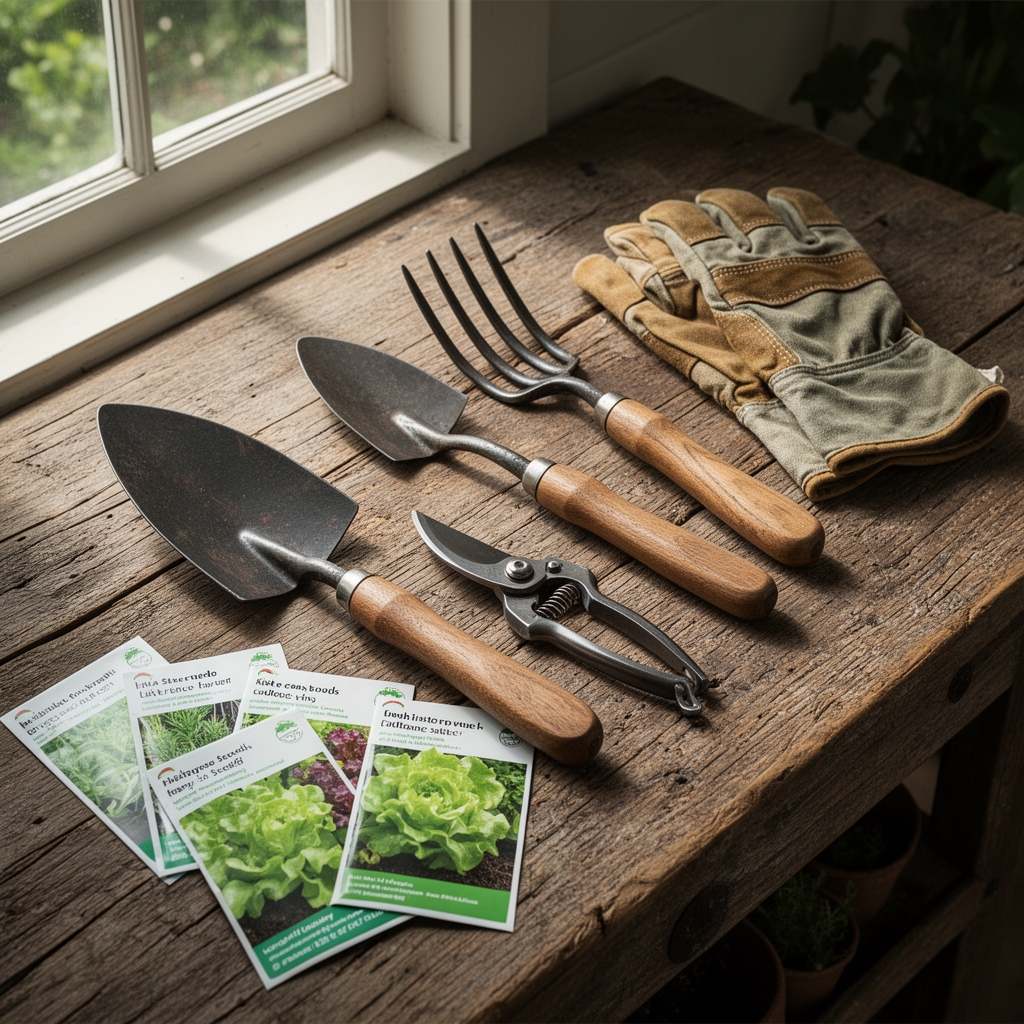
Gather pruning shears with bypass blades, brown paper bags with a 6-inch gusset, and a fine-mesh strainer rated at 20 openings per inch. Desiccant packets containing silica gel maintain relative humidity below 40 percent in storage jars. A jeweler's loupe at 10x magnification allows inspection of seed coat integrity. Label adhesive stickers with variety name, harvest date, and field location to maintain genetic records.
Amend compacted soils with compost at a 2:1 ratio to improve cation exchange capacity, which stabilizes nutrient availability during the eight-week flowering cycle. Mycorrhizal fungi inoculants applied at transplant establishment enhance phosphorus uptake, directly correlating with seed yield per plant.
Timing
Lettuce bolts predictably across hardiness zones once vernalization requirements are met. In Zone 5, overwintered varieties bolt in mid-May; direct-sown spring crops bolt by late June. Zone 7 gardeners observe bolting in early April for fall-planted stock. Zone 9 sees bolting as early as February for winter sowings.
Seed maturation follows 42 to 56 days post-pollination, depending on cultivar and ambient temperature. Monitor the transition from yellow petals to white pappus bristles. Seeds reach physiological maturity when 70 percent of flower heads display fully developed pappus structures. Harvest before autumn rains; moisture rehydrates achenes and triggers premature germination or mold colonization.
Begin collection when morning dew has evaporated but before midday winds disperse seeds. The window spans three to five days per variety. Delay risks total seed loss to sparrows and finches, which consume mature achenes within 48 hours of ripening.
Phases

Sowing: Plant parent stock 14 weeks before the last spring frost for biennial varieties. Space transplants 18 inches apart in rows 24 inches wide to accommodate lateral bolt stem expansion. Excess nitrogen produces lush foliage but delays reproductive phase transition. Apply balanced fertilizer only until true leaves number eight.
Pro-Tip: Irrigate with calcium-enriched water (200 ppm) during head formation to reduce tipburn, which weakens plants before bolting and reduces seed set by 30 percent.
Transplanting: When bolt stems reach 12 inches, install bamboo stakes at 45-degree angles to prevent lodging during windstorms. Tie stems with soft cotton strips at 6-inch intervals. Lodged stems redirect auxin distribution, causing uneven seed maturation across the flower head.
Pro-Tip: Remove the lowest four lateral branches when the main stem reaches 24 inches. This pruning concentrates carbohydrate resources into apical flower clusters, increasing average seed weight by 0.02 grams per achene.
Establishing: Once 70 percent of flowers on the main stem show white pappus, cease irrigation. Drought stress over the final 10 days reduces seed moisture content from 40 percent to 12 percent, the threshold for safe storage. Cut stems 6 inches below the lowest seed head using sterilized shears.
Pro-Tip: Hang stems upside down in a location with 30 to 40 percent relative humidity and temperatures between 60°F and 70°F. Airflow from a box fan set on low prevents mold while preserving germination rates above 90 percent.
Troubleshooting
Symptom: Seeds fail to develop; flower heads contain only empty bracts.
Solution: Poor pollination from insecticide use or absence of native bees. Plant alyssum borders 15 feet upwind to attract syrphid flies, effective lettuce pollinators.
Symptom: Black speckling on seed coats; germination below 50 percent.
Solution: Septoria leaf spot or downy mildew infection. Apply copper fungicide at 1 tablespoon per gallon when flower buds first appear. Rotate planting areas on a three-year cycle.
Symptom: Seeds shatter before collection; pappus disperses prematurely.
Solution: Ethylene accumulation from overripe fruit trees nearby accelerates abscission layer formation. Harvest at 60 percent pappus emergence rather than waiting for full maturity.
Symptom: Seedlings from collected seed produce off-type plants.
Solution: Cross-pollination with adjacent lettuce varieties. Isolate parent plants by 25 feet or stagger flowering times by four weeks through successive sowings.
Maintenance
Water parent plants with 1 inch per week until flowering begins, then reduce to 0.5 inches weekly. Excess moisture during seed maturation encourages Botrytis cinerea on drying flower heads.
Weed within a 12-inch radius of each plant to eliminate aphid reservoirs. Aphids vector lettuce mosaic virus, which reduces seed viability by 60 percent.
Monitor for lettuce root aphids by inspecting the crown every five days. Apply a drench of insecticidal soap at 2 tablespoons per gallon if populations exceed 10 aphids per plant.
FAQ
How long do collected lettuce seeds remain viable?
Properly dried and stored lettuce seeds retain 80 percent germination for three years at 40°F and 30 percent relative humidity. Viability drops below 50 percent after year five.
Can I collect seeds from hybrid lettuce varieties?
Yes, but F2 offspring segregate traits unpredictably. Only open-pollinated and heirloom varieties breed true from saved seed.
When should I clean seeds after harvest?
Wait seven days post-harvest. Rub dried flower heads over a 20-mesh strainer. Winnow chaff outdoors in a steady 5 mph breeze.
Do lettuce seeds require cold stratification?
No. Lactuca sativa seeds germinate without pre-chilling. Store cool and dry; expose to light during germination to break photo-dormancy.
How many seeds should I save per variety?
Collect from at least five plants to maintain genetic diversity. Store 200 seeds per variety for three years of plantings at standard densities.