7 Basic Steps to Potato Storage Temperatures
Potato tubers live or die by precision cooling. When storage temperatures drop to 38 degrees Fahrenheit, starches convert to sugars and fry quality plummets. Hold them at 50 degrees, and sprouting begins within six weeks. The seven steps to potato storage temperatures require exactitude, controlled ventilation, and a deep understanding of tuber respiration physiology. Each degree matters.
Materials
Begin with cured tubers from mid-season cultivars grown in soil with pH 5.0 to 6.0. Pre-storage soil nutrition influences storage quality: apply 4-4-4 organic meal at planting to balance phosphorus for skin set and potassium for cellular integrity. Avoid excess nitrogen, which produces thin-skinned tubers prone to bacterial soft rot.
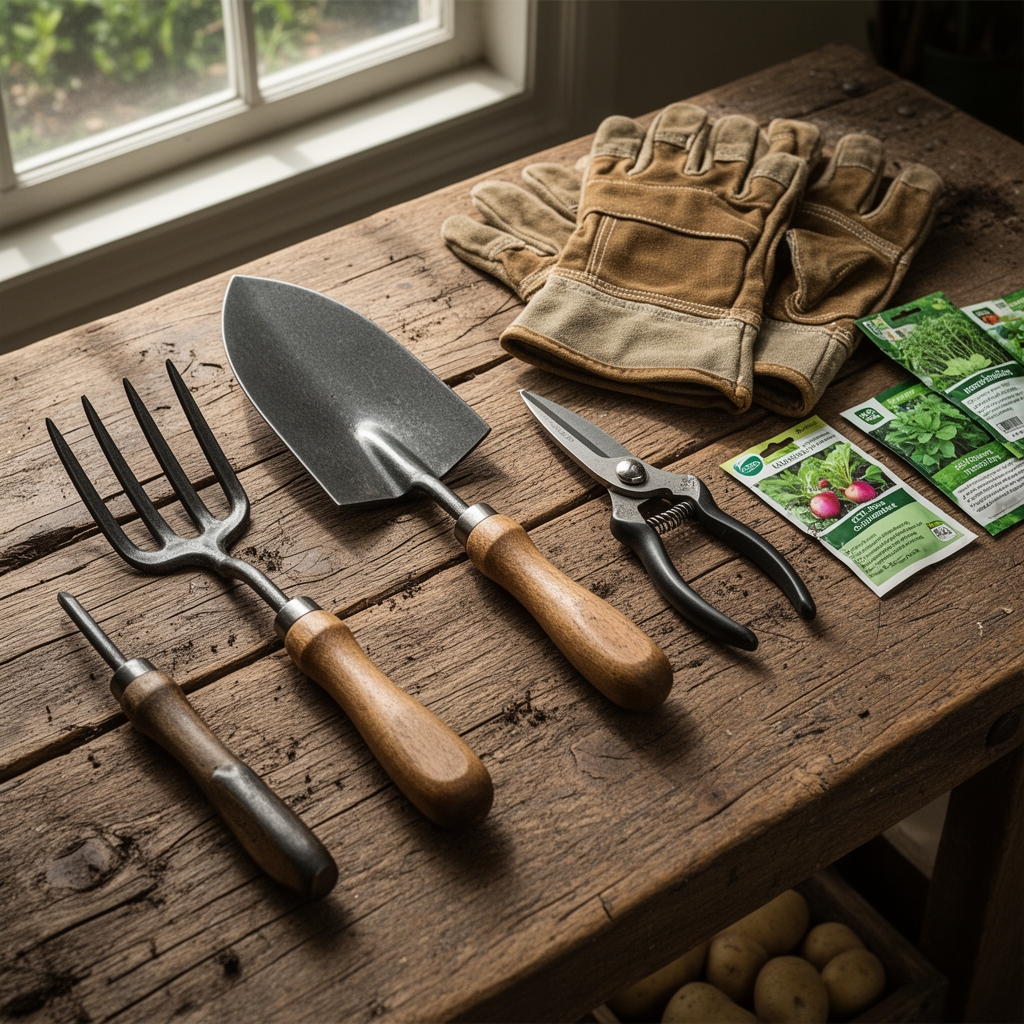
Equipment includes accurate digital thermometers calibrated weekly, hygrometers for relative humidity monitoring, and circulation fans capable of 4 to 6 air changes per hour. Storage containers must allow lateral airflow. Use slatted wooden bins or perforated plastic crates, never sealed bags. Ethylene gas absorbers prevent premature sprouting when storing near apples or other climacteric fruits.
Ventilation systems require dampers and adjustable intake vents. Install blackout materials because light exposure above 50 foot-candles triggers chlorophyll synthesis and solanine production. Surface treatments are unnecessary if curing protocols are followed. Mycorrhizal fungi associations established during growth enhance tuber resilience but do not replace proper temperature control.
Timing
Harvest tubers after vines senesce naturally or two weeks after vine kill in USDA Hardiness Zones 3 through 7. Soil temperature at harvest should measure between 50 and 60 degrees Fahrenheit. Tubers lifted below 45 degrees bruise easily due to reduced cell turgor pressure.
Curing begins within 24 hours of harvest. Early-season varieties require immediate temperature management because their shorter dormancy period means accelerated metabolic activity. Late-season cultivars tolerate a 48-hour delay but no longer. Ambient temperatures above 70 degrees during harvest necessitate immediate relocation to shaded holding areas.
Frost-date windows dictate final harvest. Complete digging 14 days before the first 28-degree event. Frozen tubers lose all storage viability. The cation exchange capacity of your soil influences skin set timing; heavier clay soils delay maturation by 7 to 10 days compared to sandy loam profiles.
Phases
Curing Phase: Hold tubers at 50 to 60 degrees Fahrenheit with 90 to 95 percent relative humidity for 10 to 14 days. This phase activates suberin polymerization, sealing wounds and lenticels. Oxygen levels should remain at 21 percent; reduced O2 inhibits periderm formation. Darkness is absolute. Even 15 minutes of fluorescent light exposure initiates greening.
Pro-Tip: Inoculate storage rooms with Trichoderma harzianum spores 48 hours before tuber introduction. This fungal antagonist colonizes room surfaces and suppresses Fusarium dry rot without chemical fumigants.
Cooling Phase: Reduce temperature 0.5 degrees per day until reaching target storage temperature. Rapid cooling below 1 degree daily causes internal blackspot, a physiological disorder where polyphenol oxidase darkens vascular tissue. Monitor tuber core temperature with probe thermometers; surface readings mislead by 3 to 5 degrees.
Target 38 to 40 degrees for processing potatoes destined for chips or fries only if reconditioned before use. Table stock holds optimally at 40 to 45 degrees. Seed potatoes require 38 to 42 degrees to suppress sprouting while maintaining viable auxin distribution for spring planting.
Pro-Tip: Place sentinel tubers in mesh bags at different room heights. Weekly inspections of these samples detect temperature stratification before entire loads suffer damage.

Maintenance Phase: Hold stable temperatures within 2-degree variation. Humidity maintains at 90 to 95 percent; lower levels cause weight loss through transpiration exceeding 6 percent by spring. Higher humidity encourages bacterial soft rot, particularly Erwinia species.
Ventilate to remove respiration heat and CO2 buildup. Tubers produce 3 to 5 BTUs per ton per day at 40 degrees. Without air exchange, CO2 accumulates above 5,000 ppm and induces anaerobic respiration and off-flavors.
Pro-Tip: Install data loggers that record temperature every 15 minutes. Post-season analysis reveals ventilation system inefficiencies and stratification patterns invisible to spot-checks.
Troubleshooting
Symptom: Dark, sunken lesions with concentric rings. Solution: Fusarium dry rot. Remove affected tubers immediately. Lower humidity to 85 percent and increase air circulation to 8 exchanges per hour. Ensure harvest equipment was sanitized; this pathogen enters through wounds.
Symptom: Soft, watery decay with strong odor. Solution: Bacterial soft rot (Erwinia). Drop temperature to 38 degrees and reduce humidity to 80 percent. Remove all rotting tubers plus those within 12 inches. The pathogen spreads through free moisture.
Symptom: Purple-gray to black discoloration at tuber ends. Solution: Internal blackspot from impact damage or rapid cooling. No remedy exists for affected tubers. Adjust cooling rate and review handling procedures. Discoloration worsens over time.
Symptom: Green patches on tuber surfaces. Solution: Light exposure. Cover or move tubers. Discard greened areas; solanine levels above 20 mg per 100g cause bitterness and toxicity. Install light traps at room entrances.
Symptom: Sprouting before February in northern climates. Solution: Temperature exceeded 45 degrees or ethylene exposure occurred. Apply sprout inhibitors based on chlorpropham only if tubers are certified for chemical treatment. Lower temperature 2 degrees.
Maintenance
Check storage rooms twice weekly during the first month, then weekly. Record temperature at floor, middle, and ceiling levels. Variation exceeding 5 degrees requires fan repositioning or additional circulation equipment.
Provide 1 cubic foot per minute of fresh air per ton of tubers. Calculate ventilation needs based on total load weight, not floor space. Open vents when outdoor temperature is within 3 degrees of storage temperature to prevent condensation.
Remove culls monthly. Even 2 percent rot in a room generates sufficient ethylene to double sprouting rates. Inspect bins from multiple angles using flashlights; surface appearance conceals subsurface decay.
Maintain detailed logs: daily temperature, humidity, and ventilation hours. Spring recondition processing stock by raising temperature 1 degree per day to 50 degrees and holding for 7 days to reconvert sugars to starches.
FAQ
What temperature prevents potato sprouting?
38 to 40 degrees Fahrenheit delays sprouting for 6 to 8 months in most cultivars. Lower temperatures risk cold-induced sweetening.
Can potatoes freeze in storage?
Tuber tissue freezes at 28 to 30 degrees. Frozen potatoes turn black and mushy upon thawing and are total losses.
Why do stored potatoes taste sweet?
Temperatures below 38 degrees activate amylase enzymes that cleave starch into reducing sugars. Recondition at 50 degrees for 2 weeks.
How long do potatoes store at room temperature?
At 65 to 70 degrees, sprouting begins in 2 to 3 weeks. Quality degrades rapidly due to accelerated respiration and moisture loss.
What humidity level prevents shriveling?
Maintain 90 to 95 percent relative humidity. Below 85 percent, tubers lose 1 percent weight weekly through evaporation and skin shrivel develops.