9 Easy Ways How to Sand Store Carrots
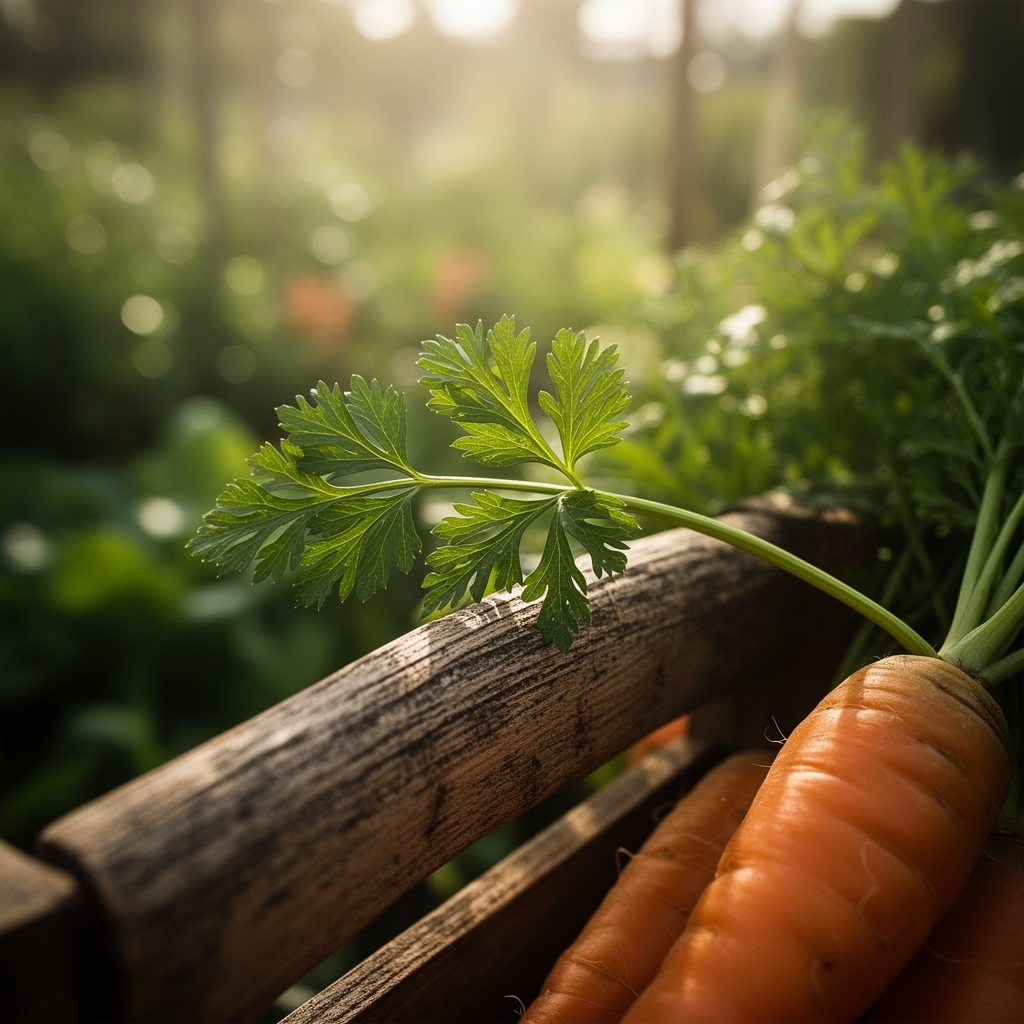
Carrots pulled from October soil carry a bite of frost and crunch, but within six weeks that sweetness fades to rubber in a refrigerator crisper. Learning how to sand store carrots transforms a seasonal harvest into a five-month pantry staple. Sand storage mimics the soil environment, maintaining 32 to 40 degrees Fahrenheit and 90 to 95 percent humidity without the energy cost of mechanical refrigeration. The sand acts as a moisture buffer, preventing desiccation while limiting ethylene gas accumulation that triggers lignification in root tissues.
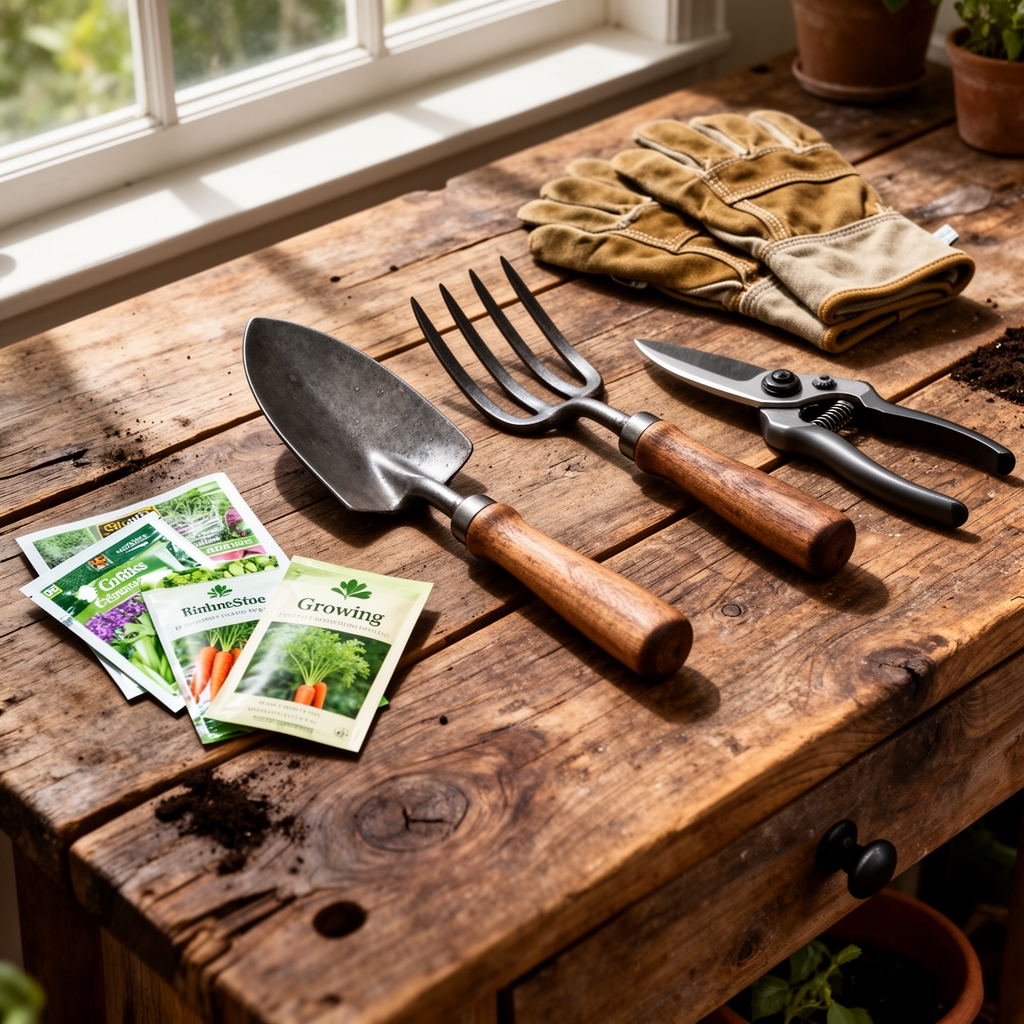
Materials
Container Selection
Choose wooden crates, plastic bins, or food-grade buckets with minimum 5-gallon capacity. Avoid metal containers, which conduct temperature fluctuations and accelerate sprouting through localized warming.
Sand Specifications
Horticultural-grade sand with particle size between 0.5 and 2.0 millimeters provides optimal air-filled porosity. Avoid beach sand due to salt content, which disrupts osmotic balance in carrot cells. Construction sand works if rinsed three times to remove lime dust that raises pH above 7.0. The ideal substrate has near-neutral pH (6.5 to 7.2) and negligible nutrient content. No NPK amendment is necessary. High cation exchange capacity encourages microbial activity and rot.
Harvested Carrot Preparation
Select only late-season varieties with high dry-matter content: 'Bolero', 'Napoli', or 'Nectar'. Carrots must measure 0.75 to 1.5 inches at the shoulder. Smaller roots desiccate rapidly. Larger specimens develop woody cores from excess auxin distribution in the cambium.
Timing
Hardiness Zone Considerations
Zones 3 through 5 should complete harvest and sand layering between October 10 and October 25, two weeks after first frost. Freezing temperatures convert starches to sugars, improving flavor, but soil below 28 degrees Fahrenheit causes cell rupture.
Zones 6 through 7 target November 1 to November 15. Wait for sustained nighttime temperatures below 45 degrees Fahrenheit.
Zones 8 and warmer lack sufficient cold for optimal sugar development. In these regions, sand storage extends shelf life but does not improve eating quality.
Frost-Date Coordination
Dig carrots 24 to 48 hours after the second hard frost (28 degrees Fahrenheit for four consecutive hours). This allows the plant to mobilize carbohydrates into the taproot while preventing the formation of ice crystals in vascular tissue.
Phases
Phase 1: Curing
Brush soil from harvested roots with a dry cloth. Do not wash. Washing introduces free moisture that encourages Sclerotinia rot. Trim foliage to 0.5 inch above the crown using pruning shears angled at 45 degrees. Flat cuts create a larger wound surface for pathogen entry. Cure carrots in a single layer at 50 to 55 degrees Fahrenheit for 48 hours. This period allows minor abrasions to suberize, forming a protective cork layer.
Pro-Tip: Apply a dusting of finely milled sulfur (90 percent wettable powder) to cut crown surfaces. Sulfur lowers localized pH to 4.5, inhibiting Botrytis cinerea spore germination without affecting carrot flavor.
Phase 2: Layering
Pour 2 inches of damp sand into the container base. Sand moisture should register at 5 to 8 percent by weight. Squeeze a handful. It should clump briefly, then crumble. Arrange carrots in a single layer with 0.25 inch spacing between roots. Cover completely with 1 inch of sand. Repeat layers until the container is filled, finishing with 2 inches of sand on top.
Pro-Tip: Insert a digital thermometer probe into the center of the sand mass. Monitor weekly. Temperatures above 42 degrees Fahrenheit trigger sprouting. Below 30 degrees Fahrenheit, ice lenses form and shatter cell walls.
Phase 3: Storage Environment
Position containers in an unheated basement, root cellar, or garage. The space must remain dark to prevent chlorophyll synthesis in exposed crown tissue. Darkness also suppresses gibberellin production, which initiates unwanted flowering responses.
Pro-Tip: Place a shallow pan of water near, but not touching, storage containers. Evaporation maintains ambient humidity without saturating the sand, which would reduce oxygen availability and promote anaerobic bacteria.
Troubleshooting
Symptom: White Mycelial Growth on Carrot Shoulders
Solution: Sclerotinia sclerotiorum thrives in sand above 10 percent moisture. Remove affected carrots immediately. Reduce sand moisture to 6 percent. Increase air circulation by propping container lids open 0.5 inch.
Symptom: Sprouting from Crown Tissue
Solution: Storage temperature exceeds 42 degrees Fahrenheit or ethylene gas concentration is elevated. Move containers to a cooler location. Remove any apples, pears, or potatoes within 10 feet, as these emit ethylene at rates above 10 microliters per kilogram per hour.
Symptom: Rubbery, Limp Texture After Three Months
Solution: Sand moisture fell below 4 percent. Lightly mist sand surface with 2 ounces of water per square foot of container surface area. Do not saturate.
Symptom: Black, Sunken Lesions on Root Surface
Solution: Alternaria dauci infection entered through harvest wounds. Discard affected roots. Confirm sulfur dusting at curing phase for remaining inventory.
Symptom: Fine Root Hairs Emerging from Taproot Sides
Solution: Excess moisture and temperature above 45 degrees Fahrenheit signal active growth. Lower storage temperature by 5 degrees. Vent container daily for 15 minutes.
Maintenance
Check stored carrots every 14 days. Remove any showing soft spots, mold, or sprouting. One decaying carrot releases volatile organic compounds that accelerate senescence in neighbors within a 6-inch radius.
Maintain sand moisture at 6 percent. Test by weighing a cup of sand monthly. At 6 percent moisture, 100 grams of dry sand will weigh 106 grams.
Rotate containers 180 degrees monthly to equalize temperature exposure if stored near an exterior wall.
FAQ
How long do sand-stored carrots remain edible?
Properly stored carrots last 4 to 6 months. Dry-matter content declines 8 to 12 percent over this period, but flavor and texture remain superior to refrigerated roots.
Can I reuse sand from year to year?
Yes. Spread used sand in direct sun for 48 hours between seasons. UV radiation reduces bacterial load by 90 percent. Avoid sand contaminated with visible rot.
Do I need to add moisture to the sand during storage?
Only if ambient humidity drops below 70 percent for extended periods. In most cellars, condensation maintains adequate sand moisture.
What if I don't have a root cellar?
An insulated garage or unheated closet against a north wall works if temperatures stay between 32 and 42 degrees Fahrenheit.
Why not just refrigerate carrots?
Refrigerators remove moisture aggressively, causing 15 to 20 percent weight loss in 60 days. Sand storage maintains cell turgor pressure through equilibrium moisture exchange.