8 Vital Steps to Storing Apples Winter
The scent of cold-stored apples in February carries notes of acetate esters and residual sugars, a reward for those who master the essential steps to storing apples winter. Most home orchardists lose 40 percent of their harvest to rot, shriveling, and ethylene damage between October and March. Proper storage transforms a seasonal crop into a six-month supply, but only when temperature, humidity, and varietal selection align with physiological dormancy requirements.
Materials
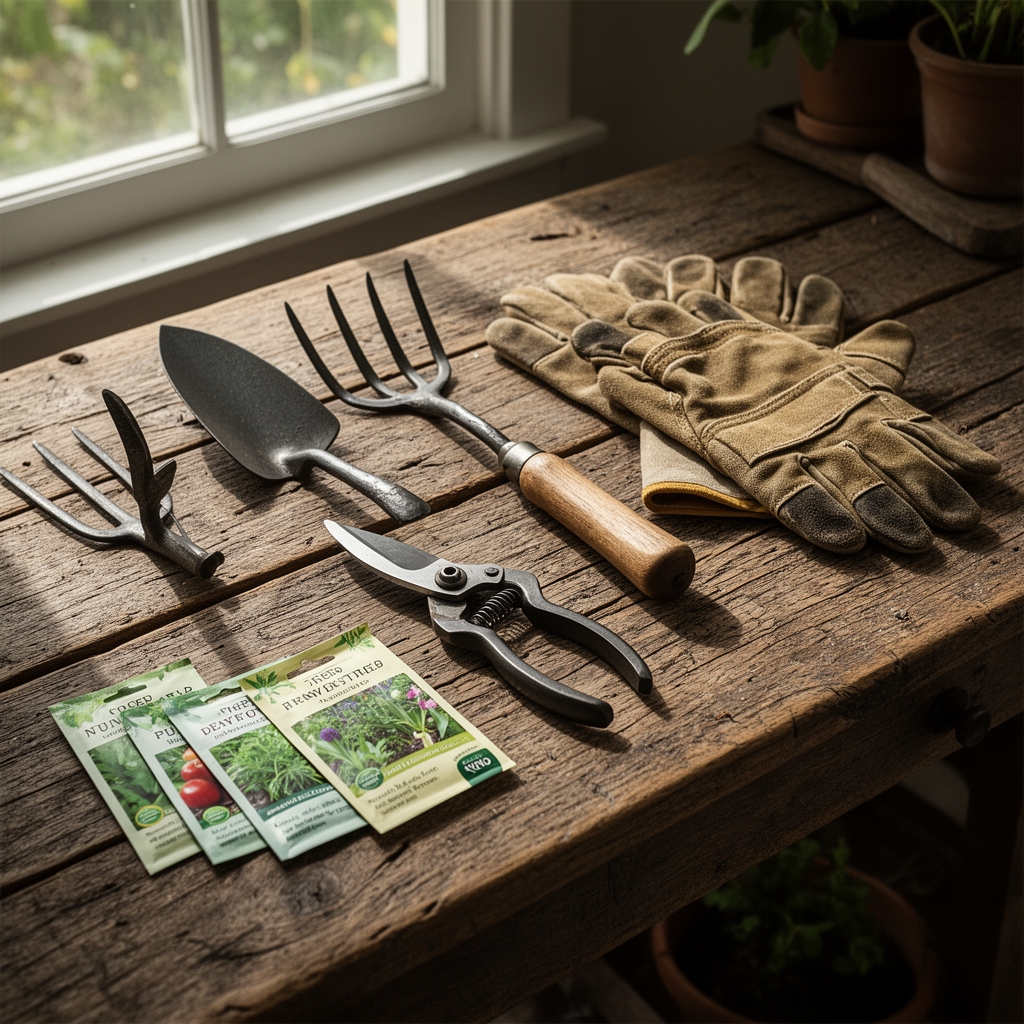
Successful apple storage begins with infrastructure and amendments that regulate microclimate conditions. A root cellar or insulated garage space maintains 30 to 35 degrees Fahrenheit with 90 to 95 percent relative humidity. Digital hygrometers with data-logging capability track fluctuations that accelerate respiration rates. Wooden slatted crates or cardboard flats provide airflow while preventing bruising. Avoid pine, which releases volatile terpenes that alter flavor compounds.
Pre-harvest nutrition affects storage potential. Apply a 4-4-4 organic meal in early August to balance nitrogen availability without promoting late-season vegetative growth. Excess nitrogen reduces calcium uptake, weakening cell wall integrity and increasing susceptibility to bitter pit. Foliar calcium chloride sprays at 0.5 percent concentration, applied three times between fruit set and harvest, fortify middle lamella structures. Soil pH between 6.0 and 6.8 optimizes cation exchange capacity for balanced nutrient absorption. Mycorrhizal fungi inoculation at planting establishes phosphorus pathways that improve lignin deposition in fruit skin, creating natural barriers against pathogen entry.
Timing
Harvest timing determines storage duration across all hardiness zones. Late-season cultivars like 'Fuji,' 'Granny Smith,' and 'Arkansas Black' reach physiological maturity 150 to 180 days after bloom. In Zone 5, this window falls between late September and mid-October, after nighttime temperatures consistently drop below 50 degrees. Starch-iodine tests confirm maturity. A score of 6 to 7 on the Cornell scale indicates optimal picking time for long storage.
First frost dates govern final harvest decisions. Apples tolerate light frosts to 28 degrees for two hours but suffer intracellular ice crystal damage below that threshold. In Zones 6 and 7, extend harvest into early November if temperatures remain moderate. Zones 3 and 4 require completion by late September to avoid freeze injury that manifests as internal browning weeks after storage begins.
Phases
Harvesting Phase
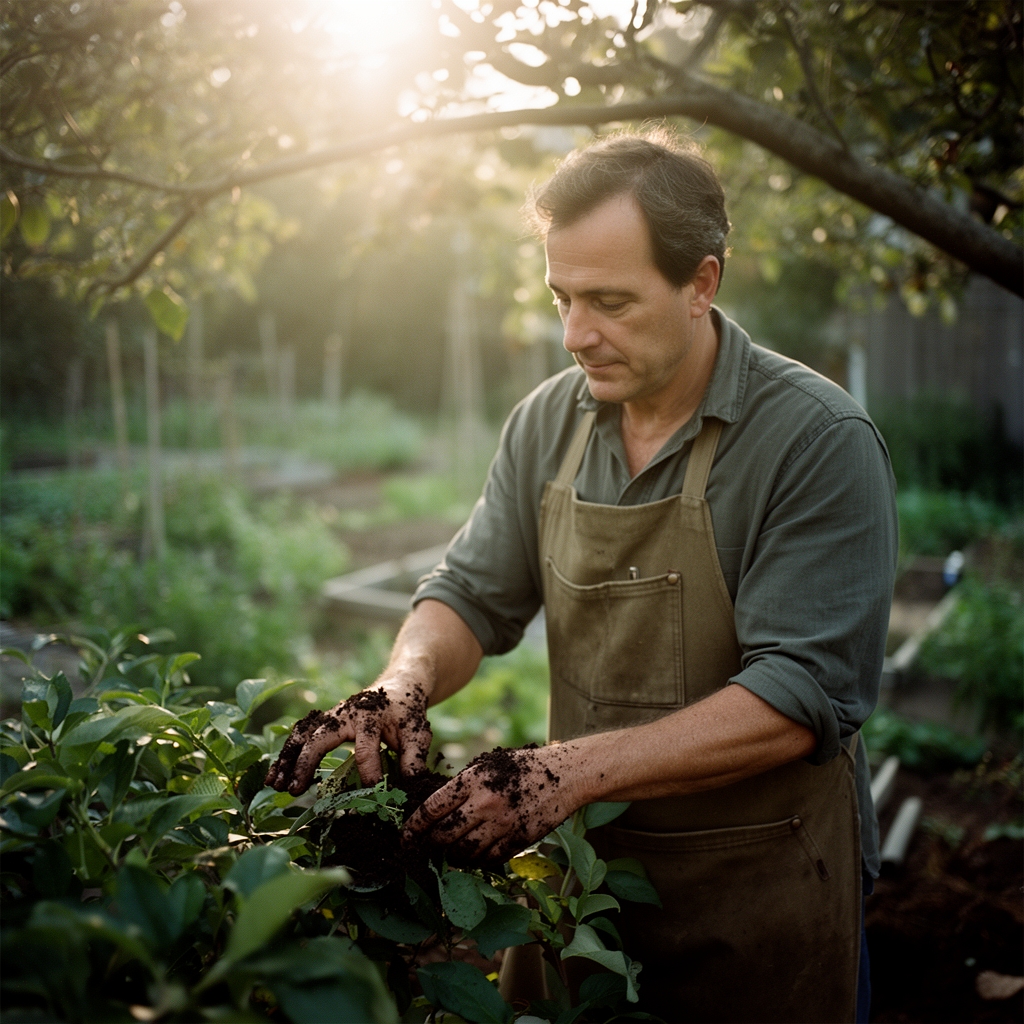
Pick apples by lifting and twisting, leaving stems attached. Stemless fruit creates entry points for Botrytis cinerea and Penicillium expansum. Handle each fruit three times or fewer from tree to storage. Bruising releases ethylene and activates polyphenol oxidase enzymes that catalyze tissue breakdown. Harvest during afternoon hours when fruit temperature equals ambient air, preventing condensation during cooling.
Pro-Tip: Sort fruit by diameter using a 2.75-inch gauge. Smaller apples have higher surface-to-volume ratios and dehydrate 30 percent faster than larger specimens.
Conditioning Phase
Cure apples at 45 to 50 degrees for 48 hours before final storage. This intermediate step allows field heat to dissipate gradually, preventing moisture shock that ruptures lenticel membranes. Remove any fruit with breaks in skin integrity, insect feeding scars, or sooty blotch colonies. A single damaged apple produces ethylene concentrations sufficient to trigger climacteric ripening in 40 surrounding fruits.
Pro-Tip: Wipe fruit with a cloth dampened in 1 percent hydrogen peroxide solution to reduce surface spore loads without disrupting natural wax bloom.
Storage Phase
Arrange apples in single layers with 0.5-inch spacing to permit convective air circulation. Check storage weekly for the first month, then biweekly. Remove any fruit showing soft spots, which indicate polygalacturonase activity breaking down pectin matrices. Ethylene scrubbers containing potassium permanganate extend storage life by 25 percent in enclosed spaces. Maintain ventilation rates of one complete air exchange per hour to prevent carbon dioxide accumulation above 5 percent, which causes core flush disorder.
Pro-Tip: Store 'Honeycrisp' separately at 36 to 38 degrees. This variety requires slightly warmer conditions to prevent soft scald, a chilling injury distinct from common scald.
Troubleshooting
Symptom: Brown, corky spots beneath skin surface.
Solution: Bitter pit results from calcium deficiency. Apply gypsum at 2 pounds per inch of trunk diameter next spring to increase soil calcium availability.
Symptom: Greasy, irregular brown patches on skin.
Solution: Scald develops when alpha-farnesene oxidizes into conjugated trienols. Wrap susceptible varieties like 'Cortland' in paper treated with ethoxyquin analogs or use oiled paper.
Symptom: Soft, watery breakdown radiating from core.
Solution: Senescent breakdown occurs in over-mature fruit. Harvest five days earlier next season based on starch test progression.
Symptom: Blue-green fungal colonies spreading from wounds.
Solution: Penicillium contamination. Lower humidity to 85 percent for two weeks to slow spore germination, then restore to 90 percent.
Maintenance
Inspect storage temperatures daily using min-max thermometers. Temperatures above 40 degrees double respiration rates and halve storage duration. Below 30 degrees, freezing injury creates glassy, translucent flesh that turns mealy upon thawing. Add humidity by placing shallow pans of water on lower shelves or misting floors weekly. Excessive moisture promotes lenticel rot, visible as dark, sunken spots clustered around stem bowl.
Rotate stock monthly, moving older fruit to accessible positions. Apples stored beyond their cultivar-specific limit develop mealiness as pectin methylesterase degrades cell adhesion. 'Golden Delicious' stores 90 days maximum, while 'Enterprise' reaches 180 days under identical conditions.
FAQ
Which apple varieties store longest?
'Fuji,' 'Pink Lady,' 'Granny Smith,' and 'Winesap' maintain quality for five to six months. 'McIntosh' and 'Gala' deteriorate within eight weeks.
Can I store apples with other produce?
No. Apples emit ethylene at 10 to 100 microliters per kilogram per hour, accelerating senescence in potatoes, carrots, and leafy vegetables.
How do I prevent shriveling?
Maintain 90 to 95 percent humidity. Weight loss exceeding 5 percent causes visible shriveling as vacuole turgor pressure decreases.
Should I wash apples before storage?
No. Water removes natural wax cuticle and introduces surface moisture that supports microbial growth.
What causes apples to taste mealy?
Overripe fruit or storage temperatures above 40 degrees degrade pectin structure. Cells separate rather than fracture during chewing, creating sandy texture.