7 Basic Steps to Germination Rate Checks
The palm of your hand holds forty tomato seeds, but only twenty-three will sprout. This failure costs nurseries and home gardeners thousands in wasted inputs annually. Conducting proper steps to germination rate checks eliminates guesswork and converts seed lots into predictable inventory. Each test requires seventy-two hours minimum and delivers actionable percentages that determine whether to plant, blend batches, or discard entirely.
Materials
Select ten seeds per cultivar when testing small batches, scaling to one hundred for commercial lots. Paper towels provide the substrate, unbleached and free from antimicrobial agents that skew results. Distilled water at pH 6.5 to 7.0 prevents mineral interference with imbibition, the initial water uptake phase that triggers embryo expansion. Two ceramic plates or glass dishes create the controlled environment, with the bottom plate serving as reservoir and the top preventing desiccation.
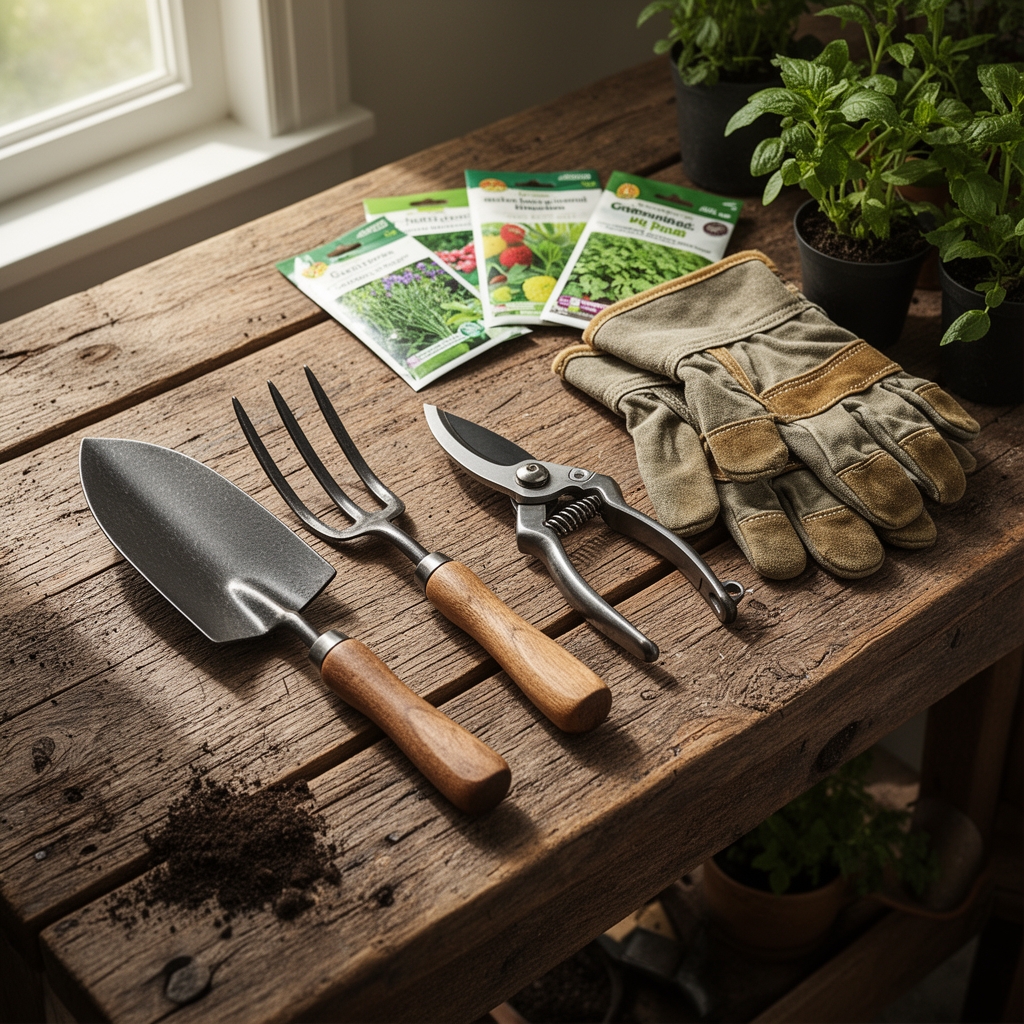
Label each test with permanent marker, noting seed source, purchase date, and storage conditions. A clear plastic bag encases the assembly, maintaining 95 to 100 percent relative humidity without waterlogging. Digital thermometers track ambient temperature, essential for interpreting results across thermal ranges. For legumes and brassicas, inoculate paper towels with a 4-4-4 organic meal solution diluted to 200 ppm nitrogen, mimicking field soil cation exchange capacity without overwhelming delicate radicles.
Timing
Hardiness zones dictate test scheduling. Zone 5 gardeners conduct checks eight weeks before last frost, typically mid-February. Zone 8 testers begin in early January. Seeds stored beyond twelve months require testing every six months, as viability declines follow sigmoid curves influenced by storage humidity and temperature. Optimal test conditions occur at 68 to 72 degrees Fahrenheit for warm-season crops and 55 to 60 degrees for cool-season varieties like spinach and lettuce.
Commercial operations synchronize germination rate checks with inventory audits, flagging lots below 85 percent viability for discount sales or cover crop blending. Home gardeners time tests to match seed order windows, allowing reorders before peak spring demand exhausts supplier stock.
Phases

Sowing Phase
Moisten paper towels until damp but not dripping, achieving 60 percent saturation by weight. Spread seeds across the towel surface with 0.5-inch spacing to prevent radicle entanglement. Fold the towel once, creating a seed sandwich. Place the assembly on the bottom plate, add 2 tablespoons of distilled water to the reservoir, then cover with the top plate. Seal inside the plastic bag, leaving a 1-inch vent for gas exchange.
Pro-Tip: Treat hard-coated seeds like morning glory or nasturtium with 120-grit sandpaper scarification before testing. Nick the seed coat opposite the hilum, increasing water permeability by 40 percent and accelerating germination by twelve to eighteen hours.
Monitoring Phase
Inspect daily at the same hour, noting the emergence of radicles extending 2 millimeters beyond the seed coat. Record each germinated seed with hash marks on your tracking sheet. Maintain water levels by adding 1 tablespoon daily to the reservoir, never applying water directly to seeds. Temperature fluctuations beyond 5 degrees compromise accuracy, so avoid placement near heat vents or windows.
Count continues until no new germination occurs across a forty-eight-hour window. Most species reach final count between five and ten days. Calculate germination rate by dividing sprouted seeds by total seeds, then multiplying by one hundred.
Pro-Tip: For precise commercial data, conduct three replicate tests per lot. Average the three percentages to account for statistical variation. Coefficients of variation above 15 percent indicate uneven seed quality within the batch.
Interpretation Phase
Rates above 85 percent signal robust seed lots suitable for direct sowing at standard densities. Results between 70 and 84 percent require increased seeding rates by 25 percent to achieve target plant populations. Lots below 70 percent demand investigation into storage failures, pathogen presence, or genetic degradation.
Pro-Tip: Preserve high-germination seeds with silica gel packets in airtight containers stored at 40 degrees Fahrenheit. This extends viability by two to three years for most species, excluding short-lived seeds like onions and parsnips.
Troubleshooting
Symptom: Seeds swell but radicles abort after 1 millimeter extension.
Solution: Fungal infection, typically Pythium. Rinse remaining seeds in 3 percent hydrogen peroxide solution for five minutes, then retest in fresh materials.
Symptom: Uneven germination spanning seven days rather than clustered emergence.
Solution: Variable seed maturity at harvest. Source indicates poor production practices. Note for future vendor evaluation.
Symptom: Mucilaginous coating develops on seed surfaces within forty-eight hours.
Solution: Bacterial contamination from non-sterile water. Switch to boiled and cooled distilled water.
Symptom: Zero germination despite proper technique.
Solution: Seed death from storage above 75 degrees Fahrenheit or humidity exceeding 50 percent. Verify with known viable seeds using identical protocol.
Maintenance
Store untested seed lots in kraft paper envelopes inside metal canisters with desiccant packs. Maintain storage environments at 32 to 40 degrees with 20 to 30 percent relative humidity. Test cold-stored seeds at three-month intervals to detect viability loss before complete failure. Record all data in spreadsheets tracking cultivar, vendor, purchase date, test date, percentage, and environmental conditions during testing.
FAQ
How long do germination rate checks take?
Five to ten days for most vegetables, three to four days for brassicas, fourteen days for peppers and eggplants.
Can I reuse seeds that germinated during testing?
Yes, but transplant immediately into sterile potting mix. Root damage during handling reduces establishment rates by 30 percent.
What percentage justifies purchasing new seeds?
Below 70 percent for expensive hybrid varieties, below 50 percent for open-pollinated or saved seeds.
Do organic and conventional seeds require different testing methods?
No. Germination physiology remains identical regardless of production method. Test protocols apply universally.
Should I test pelleted seeds?
Test both pelleted and raw samples when available. Coating materials occasionally inhibit imbibition, reducing rates by 5 to 10 percent compared to raw seed performance.