6 Simple Ways How to Save Bean Seeds
The brittle snap of a mature bean pod releases a cascade of dry seeds into your palm, each one a genetic archive of flavor, disease resistance, and vigor carried forward from a single spring planting. Learning how to save bean seeds transforms your garden from a seasonal experiment into a perpetual library of adapted cultivars. The process demands attention to pod maturity, moisture thresholds, and storage chemistry, but the reward is seed that costs nothing and performs better each generation in your specific microclimate and soil cation exchange capacity.
Materials
Successful seed saving begins with the right inputs and tools. Use compost aged for 12 months, pH 6.0-6.8, to feed parent plants during their final pod-set phase. Supplement with a 4-4-4 organic meal applied at 2 pounds per 100 square feet four weeks before harvest to support complete seed maturation without excessive vegetative growth. Avoid high-nitrogen amendments after flowering; excess nitrogen delays pod drying and encourages fungal colonization on immature seeds.
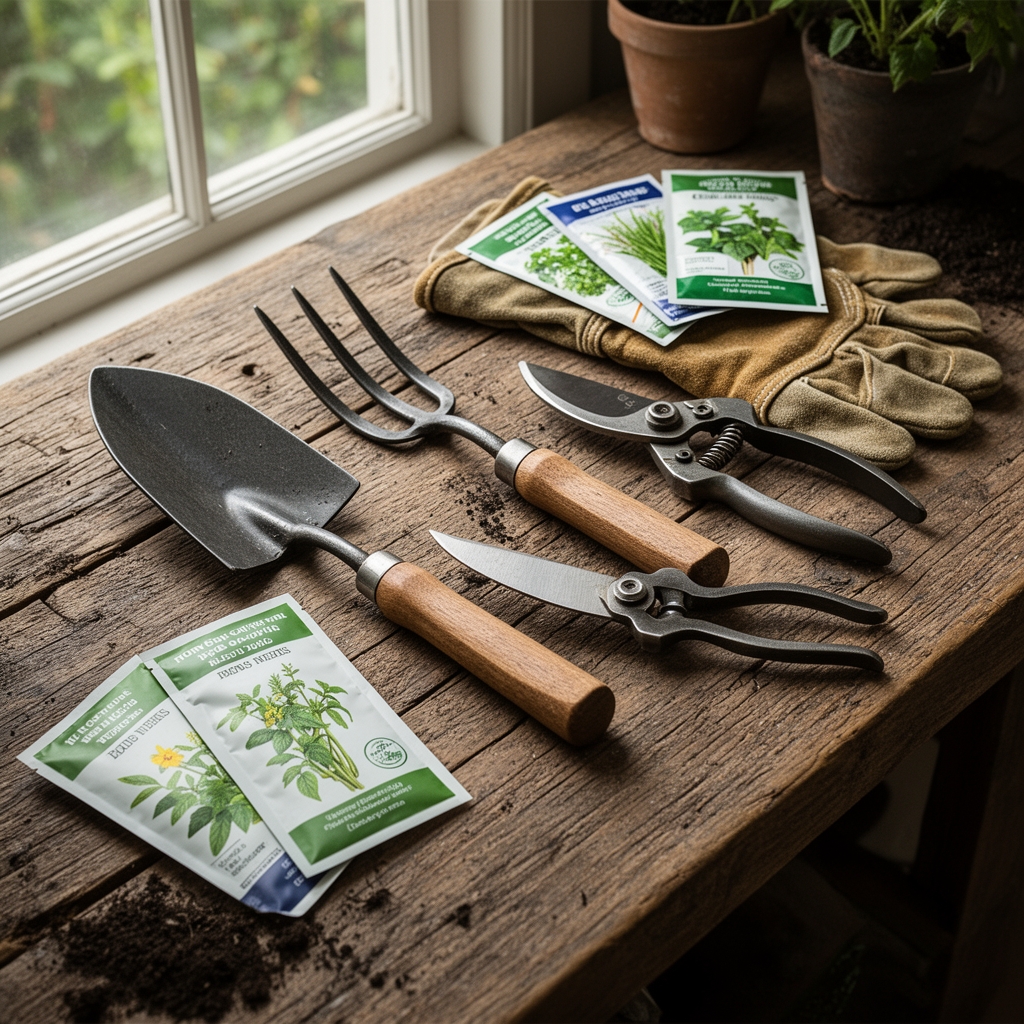
Gather paper lunch bags, not plastic, for field drying. Paper allows moisture vapor to escape while protecting seeds from rain. Label each bag with cultivar name and harvest date using a permanent marker. Acquire a digital hygrometer to measure seed moisture content; ideal storage begins at 8% moisture or below. A kitchen scale measuring to 0.1 gram helps track drying progress. Purchase silica gel packets or food-grade diatomaceous earth for long-term storage containers. Glass jars with rubber gaskets provide superior moisture barriers compared to zipper bags.
Timing
Coordinate seed-saving schedules with your USDA Hardiness Zone and last frost date. In Zones 5-7, plant bush beans for seed saving by June 1 to ensure 100-120 days of growth before first fall frost. Pole beans require 110-130 days; start them by May 15 in Zone 6. Southern gardeners in Zones 8-10 can plant a dedicated seed crop in late August for November harvest, avoiding summer heat that can degrade seed viability.
Monitor pods 90 days after flowering. Seeds reach physiological maturity when pod seams turn brown and seeds rattle inside. Wait an additional 14-21 days for field drying if autumn humidity stays below 60%. Harvest before heavy frost; temperatures below 28°F for four hours can rupture seed coats and destroy embryos.
Phases
Selection and Isolation
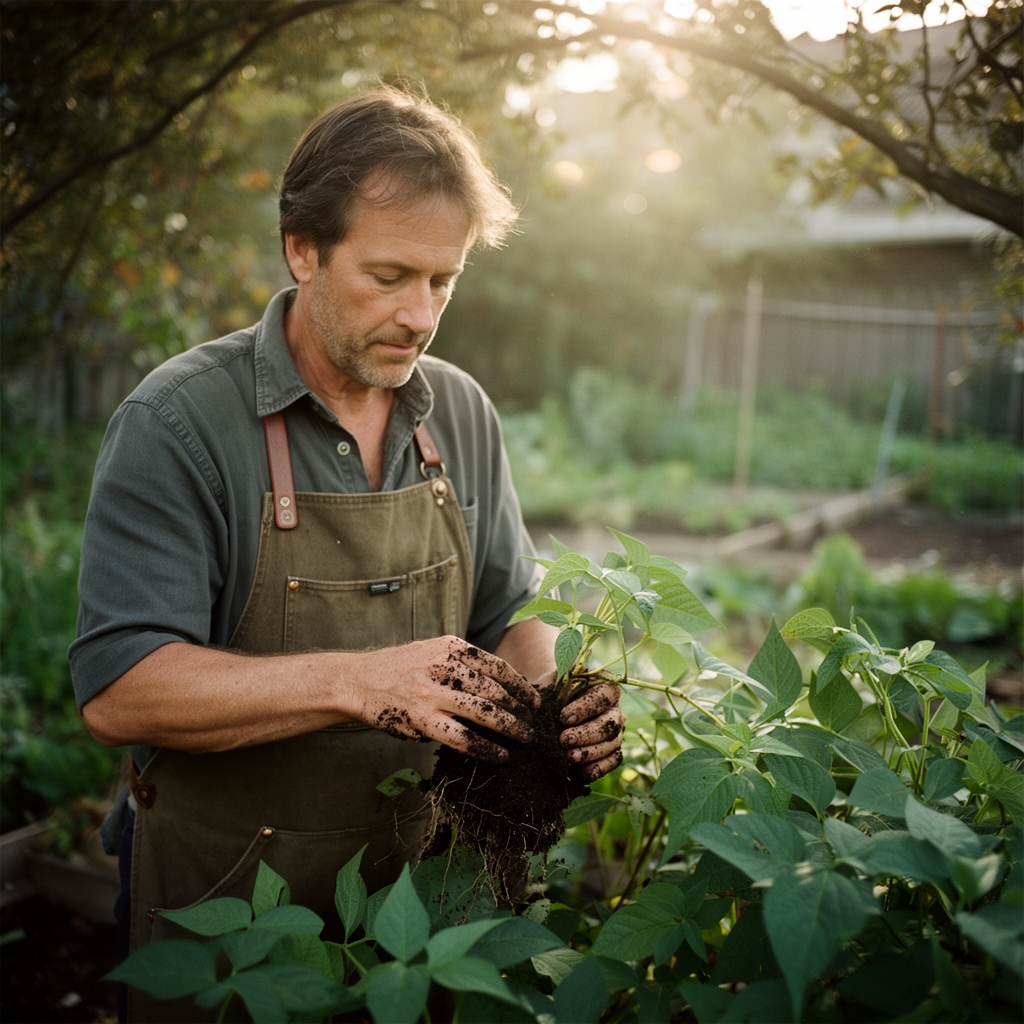
Choose parent plants showing superior traits: early germination, prolific pod set, disease resistance, and flavor. Mark selected plants with colored twine during peak production. Isolate varieties by 20 feet for bush types, 40 feet for pole beans if saving multiple cultivars. Cross-pollination rates in common beans (Phaseolus vulgaris) remain low at 2-5%, but physical distance prevents accidental mixing. Runner beans (Phaseolus coccineus) outcross at 30-50% rates and require 150 feet of separation or bagged flower clusters.
Pro-Tip: Apply mycorrhizal fungi inoculant at planting to increase phosphorus uptake by 40%. Enhanced phosphorus availability improves seed size and germination rates in the following generation.
Pod Maturation
Allow selected pods to remain on the plant until completely dry. Withhold irrigation 21 days before anticipated harvest to accelerate senescence. Leaves will yellow and drop; this nutrient remobilization concentrates auxin and abscisic acid in developing seeds, improving dormancy regulation. Pods should feel papery, with seeds hard enough to resist thumbnail pressure.
Pro-Tip: In humid climates, pull entire plants when 70% of pods are dry. Hang plants upside down in a covered, ventilated area for 10-14 days to complete curing.
Extraction and Storage
Shell seeds on a clean, dry surface. Discard any showing insect damage, dark spots, or irregular shape. Spread seeds in a single layer on mesh screens in a room with 35-45% humidity and temperatures between 60-70°F. Turn seeds daily. Test moisture by sealing 10 seeds in a glass jar for 24 hours; condensation indicates incomplete drying. When properly dried, seeds shatter rather than dent when struck with a hammer.
Pro-Tip: Freeze seeds at 0°F for 72 hours to kill bean weevil larvae (Acanthoscelides obtectus) without chemical treatment. Thaw gradually at room temperature before storage.
Troubleshooting
Symptom: White, powdery coating on drying pods.
Solution: Powdery mildew colonization. Remove affected pods immediately. Increase air circulation. Mildew rarely penetrates seed coats, but infected seeds may carry surface spores. Treat saved seeds with 120°F water for 20 minutes, then dry completely.
Symptom: Small, round exit holes in stored seeds.
Solution: Bean weevil infestation. Larvae develop inside growing pods. Implement the freezing protocol above. Store seeds with food-grade diatomaceous earth at 1 tablespoon per quart jar.
Symptom: Seeds turn brown or black during storage.
Solution: Storage moisture exceeded 12%, enabling fungal growth. Discard affected seeds. Re-dry remaining stock at 95°F for 8 hours. Replace silica gel packets monthly in humid climates.
Symptom: Germination drops below 60% after one year.
Solution: Storage temperature exceeded 55°F. Maintain seed storage at 35-45°F in a refrigerator. Viability for properly stored bean seeds exceeds 85% for three years.
Maintenance
Water parent plants with 1 inch per week until flowering ceases. Reduce irrigation to 0.5 inch per week during pod fill, then eliminate water 21 days before harvest. Apply kelp foliar spray at 1 tablespoon per gallon every 14 days during pod development; trace minerals improve seed coat integrity. Scout weekly for Mexican bean beetles; remove adults and larvae by hand to prevent pod damage that invites fungal entry.
Store dried seeds at 40°F and 30% relative humidity for maximum longevity. Check storage containers monthly for condensation or insect activity. Rotate stock annually, planting oldest seeds first.
FAQ
How long do saved bean seeds remain viable?
Bean seeds stored at 40°F with 8% moisture content maintain 80-90% germination for three years, declining to 60-70% by year five.
Can I save seeds from hybrid bean varieties?
Yes, but F2 offspring will segregate traits unpredictably. Open-pollinated and heirloom varieties breed true.
How many plants do I need for genetic diversity?
Save seeds from at least 20 plants to maintain adequate genetic variation and prevent inbreeding depression.
Do bean seeds need stratification?
No. Bean seeds require no cold or warm stratification. Scarification is also unnecessary due to permeable seed coats.
What causes wrinkled bean seeds?
Incomplete pod maturation or premature harvest. Wrinkled seeds germinate poorly. Select only plump, smooth seeds for storage.