6 Simple Ways How to Make Fruit Jam
The scent of simmering fruit fills a kitchen with warmth, and learning how to make fruit jam transforms surplus harvests into preserved sweetness. Home preservation captures peak-season flavors when fruits deliver maximum sugar content and pectin levels. This guide approaches jam-making through the lens of fruit cultivation, harvest timing, and the chemistry that turns fresh produce into stable preserves.
Materials
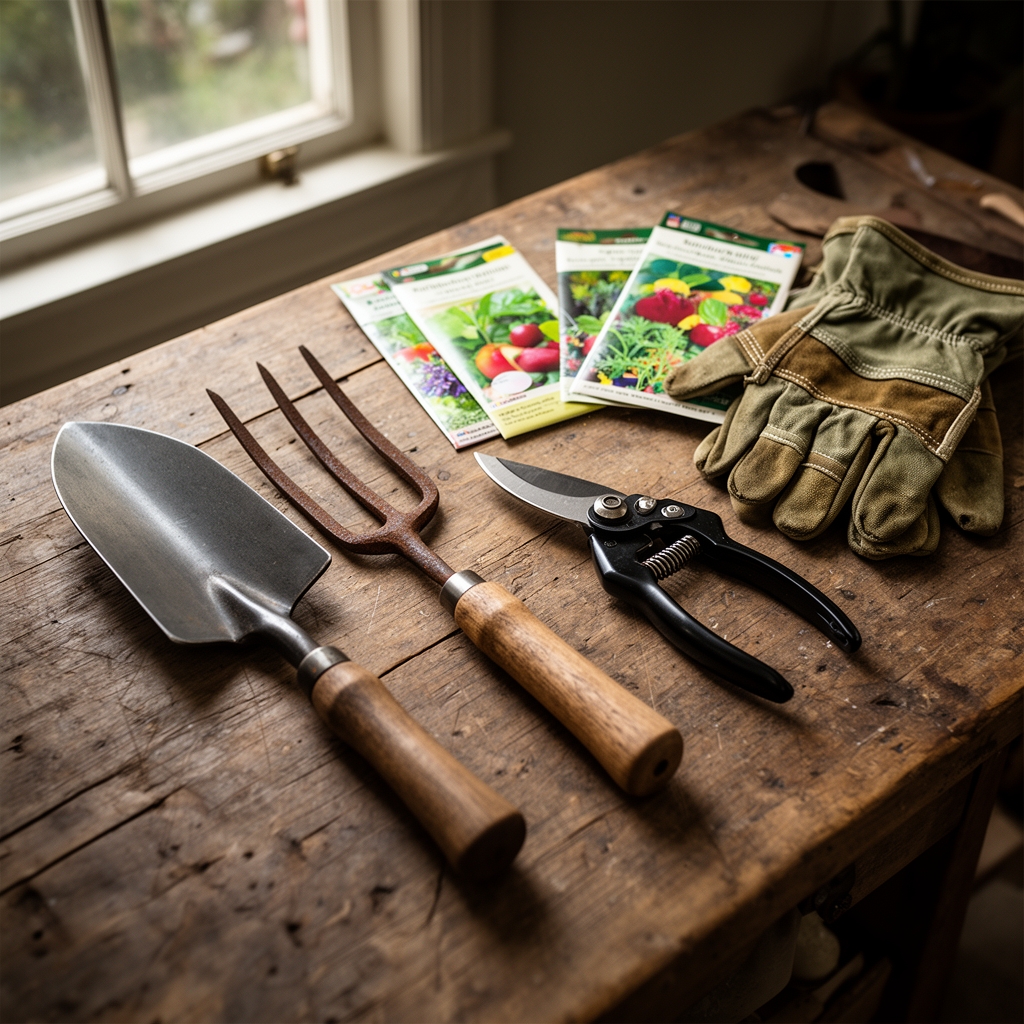
Fresh fruit forms the foundation. Select specimens at 80-90% ripeness when natural pectin concentrations peak. Underripe fruit contains more pectin but less sugar. Overripe fruit offers sweetness but requires supplemental pectin.
Granulated sugar acts as both preservative and gelling agent. Use a 1:1 fruit-to-sugar ratio for high-pectin fruits like apples and citrus. Low-pectin fruits such as strawberries and peaches require commercial pectin supplementation at 1.75 ounces per 4 cups of crushed fruit.
Acid balances pH to 3.0-3.5 for proper gel formation and microbial safety. Add 2 tablespoons of lemon juice per 4 cups of low-acid fruits. Test with pH strips to ensure readings below 4.6.
Equipment includes an 8-quart stainless steel or enameled pot for even heat distribution. Wide, shallow pots increase evaporation rates and reduce cooking time. Mason jars with two-piece lids create vacuum seals. A candy thermometer monitors gel point at 220°F at sea level.
Optional calcium water improves cell wall integrity when using low-sugar pectins. Mix 1/2 teaspoon calcium powder with 1/2 cup water. This solution strengthens pectin bonds without altering flavor profiles.
Timing
Fruit harvest timing determines jam quality more than any processing variable. Stone fruits reach peak pectin levels 3-5 days before full softness. Berries require same-day processing after morning harvest when temperatures stay below 75°F.
In USDA Hardiness Zones 5-7, strawberry season spans late May through June. Zones 8-10 see earlier harvests beginning in April. Peach and apricot harvests concentrate in July through August across zones 6-9.
Morning picking preserves fruit firmness and reduces enzymatic breakdown. Process within 4 hours of harvest. Extended storage at room temperature decreases pectin by 15% per day.
Fall fruits like apples and pears maintain stable pectin levels for 7-10 days when refrigerated at 32-35°F. Combine one-quarter slightly underripe fruit with three-quarters ripe fruit for optimal gel structure without added pectin.
Phases
Preparation Phase
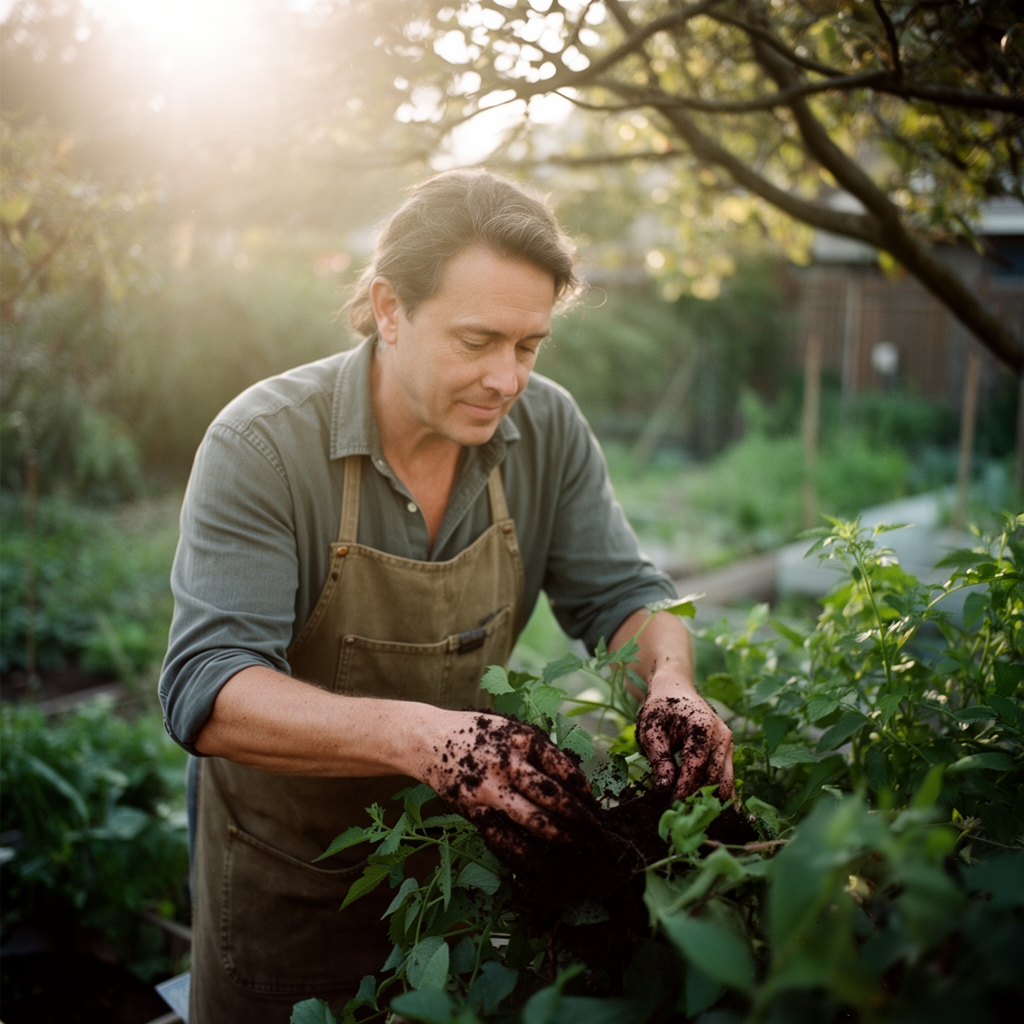
Wash fruit under running water. Remove stems, pits, and damaged sections that harbor mold spores. Crush soft berries with a potato masher to release juice. Chop firm fruits into 1/4-inch pieces for uniform cooking.
Measure crushed fruit by volume, not weight. Different fruits contain varying water content that affects final yield. Four cups of crushed fruit typically produces five 8-ounce jars.
Pro-Tip: Add 1/4 teaspoon of butter to reduce foam formation. Butter breaks surface tension without affecting preservation quality or shelf stability.
Cooking Phase
Combine fruit, sugar, and acid in the pot. Stir constantly over medium heat until sugar dissolves completely. Undissolved sugar crystals seed unwanted crystallization during storage.
Bring mixture to a full rolling boil that cannot be stirred down. Add liquid pectin if using. Boil hard for exactly 1 minute. Overcooking breaks pectin chains and prevents gelling.
Test gel point using the freezer method. Place a spoonful on a chilled plate. Push with your finger after 30 seconds. Proper jam wrinkles and holds its shape.
Pro-Tip: Altitude affects boiling point. Reduce target temperature by 2°F for each 1,000 feet above sea level. At 5,000 feet elevation, gel point drops to 210°F.
Canning Phase
Ladle hot jam into sterilized jars leaving 1/4-inch headspace. Wipe rims with a clean damp cloth. Any residue prevents proper sealing. Apply lids and bands finger-tight.
Process in a boiling water bath for 10 minutes for 8-ounce jars. Start timing when water returns to a full boil. Increase processing time by 1 minute for each 1,000 feet above sea level.
Remove jars and cool undisturbed for 12-24 hours. Listen for the distinctive ping of sealing lids. Check seals by pressing the center. Properly sealed lids show no flex.
Pro-Tip: Invert jars for 5 minutes immediately after removal. This sterilizes the headspace and improves vacuum formation. Return to upright position before full cooling begins.
Troubleshooting
Symptom: Jam fails to set after 24 hours.
Solution: Reboil with 1/4 cup sugar and 2 teaspoons powdered pectin per quart. Cook to 220°F. Reprocess in clean jars.
Symptom: Sugar crystallization creates grainy texture.
Solution: Add 2 tablespoons corn syrup per batch to interrupt crystal formation. Ensure complete sugar dissolution before hard boiling.
Symptom: Mold growth on surface after opening.
Solution: Insufficient acid or processing time allowed bacterial survival. Always maintain pH below 4.0. Discard affected jars completely.
Symptom: Fruit floats in separated layers.
Solution: Overripe fruit or insufficient crushing. Let jam stand 5 minutes before jarring. Stir gently to redistribute fruit pieces.
Symptom: Cloudy or weeping jam after storage.
Solution: Pectin breakdown from improper storage. Store in locations below 70°F away from direct light. Use within 12 months.
Maintenance
Store sealed jars in a dark location at 50-70°F. Temperatures above 75°F degrade color and pectin structure within 6 months. Below 50°F, sugar may crystallize.
Rotate stock using first-in-first-out method. Label jars with fruit type and date. Consume within 18 months for peak flavor and nutrition.
After opening, refrigerate at 35-40°F. Use within 3 weeks. Watch for surface mold, off-odors, or fermentation bubbles indicating spoilage.
Inspect stored jars quarterly. Check for lid bulging, leakage, or loss of vacuum seal. Any compromise in seal integrity requires immediate disposal.
FAQ
How much fruit do I need per jar?
Four cups of crushed fruit yields approximately five 8-ounce jars. Plan 1.25 pounds of whole berries or 1.5 pounds of stone fruit per cup of crushed fruit.
Can I reduce sugar content?
Use low-sugar pectin formulations that gel with 1/4 the standard sugar. These require calcium activation. Traditional pectin needs sugar for gel formation and preservation.
Why did my jam turn dark?
Oxidation during extended cooking or storage above 75°F. Add 1/4 teaspoon ascorbic acid per batch to slow oxidation. Cook rapidly at high heat to minimize color loss.
Is added pectin necessary?
High-pectin fruits like apples, currants, and citrus gel naturally. Low-pectin fruits including strawberries, peaches, and pears require supplementation for firm texture.
How long does homemade jam last?
Properly processed and sealed jars remain safe for 18-24 months. Quality peaks within the first 12 months. Refrigerate after opening and consume within 3 weeks.